Katie Haywood, a Wolverhampton nurse, misattributed a worrying bruise and ongoing fatigue to sport and work before being diagnosed with myeloma. By diagnosis she was in end-stage kidney failure and severely anaemic. She underwent chemotherapy and a stem cell transplant and is now in remission, though her kidney function remains impaired. Myeloma UK urges people to request simple blood tests and offers a symptom translator to help conversations with GPs.
Football Bruise Turned Out To Be Myeloma — Nurse’s Warning To Get A Simple Blood Test

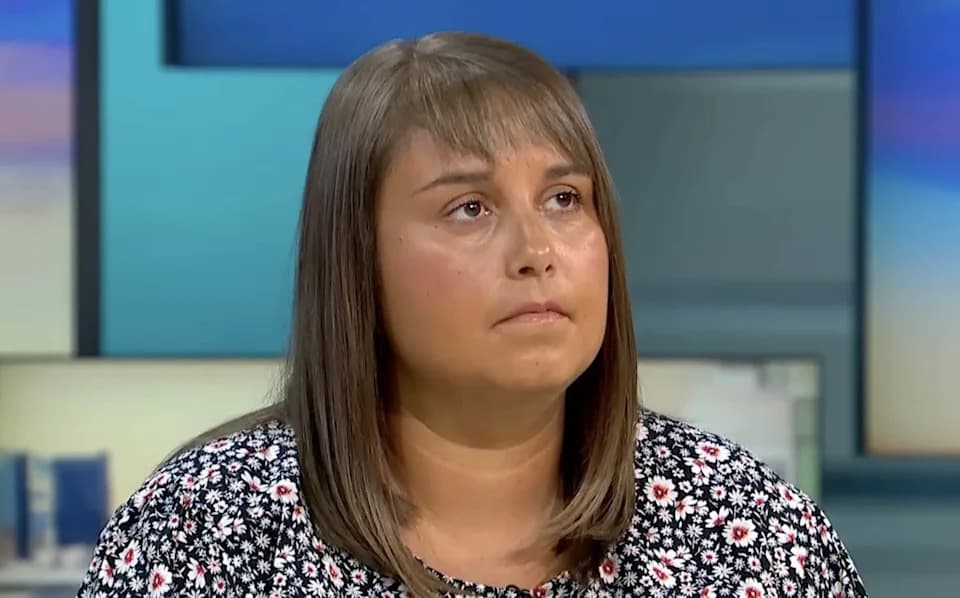
Katie Haywood is urging people not to ignore warning signs [Myeloma UK]
Nurse Katie Haywood from Wolverhampton thought a deep bruise on her arm was just a knock from playing football. Months later she was diagnosed with myeloma — a form of blood cancer that is treatable but typically not curable — and discovered she was in end-stage kidney failure.
How Symptoms Were Missed
Katie, who was 45 when she received her diagnosis in June last year, said she had dismissed multiple warning signs as the result of an active life: working full time as a nurse, teaching yoga and playing football. She experienced persistent tiredness, breathlessness and unusual bruising, but attributed these problems to a lingering chest infection and everyday exertion.
"There were a lot of separate little things, but I made excuses for all my symptoms," Katie said. "Now I know it's because I was severely anaemic, something I would spot in someone else straightaway."
Tests, Treatment And Recovery
About three months before she was diagnosed she noticed a particularly worrying bruise that looked like blood had pooled beneath the skin. Blood tests at work produced results that initially surprised clinicians — the numbers had to be repeated because "there was no way the results could be correct" — but they were accurate. By then she was in end-stage renal failure and severely anaemic; clinicians believe the myeloma may have been present for a year or more.
Katie started chemotherapy and underwent a stem cell transplant in November. A year after her diagnosis she is in remission, but her kidney function has not fully returned to its previous level. Treatment also induced menopause, and managing menopausal symptoms alongside intensive cancer therapy has been particularly challenging.
What Doctors And Patients Should Know
Myeloma UK warns that myeloma is the third most common blood cancer but is frequently missed because its symptoms — including back pain, fragile bones, persistent fatigue and recurring infections — are vague and can mimic many other conditions. In most cases, a simple blood test can detect signs of myeloma early.
The charity has produced a symptom translator to help patients explain their experiences to GPs in plain language alongside medical terms. During Myeloma Awareness Week, Katie urged people not to ignore persistent or unusual symptoms and to ask their doctor for basic blood tests if something feels wrong.
Key takeaway: Unexplained bruising, breathlessness or prolonged fatigue warrant investigation — a simple blood test can be lifesaving.
Help us improve.