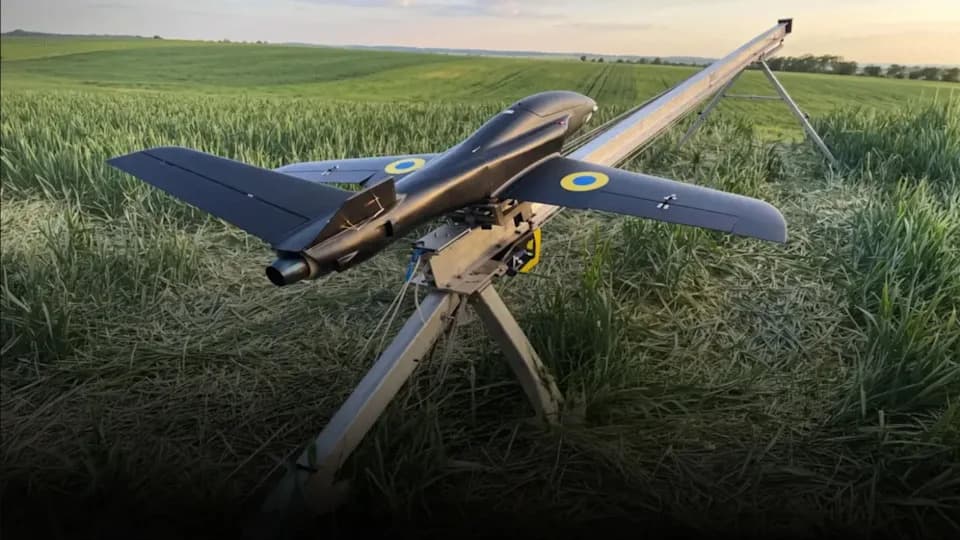
Europe Is Partnering With Ukraine To Speed Up Long‑Range Strike Capabilities. Diehl plans to produce the FP‑5 Flamingo in Germany, and MBDA has signed an MoU with Luch to develop Neptune variants. Ukrainian designs offer exceptional range and warhead capacity but remain subsonic and more vulnerable to modern air defences; European firms could add advanced seekers and scale manufacturing to help close NATO’s land‑based deep‑strike gap.
Europe Eyes Ukrainian Missiles To Close NATO’s Long‑Range Strike Gap
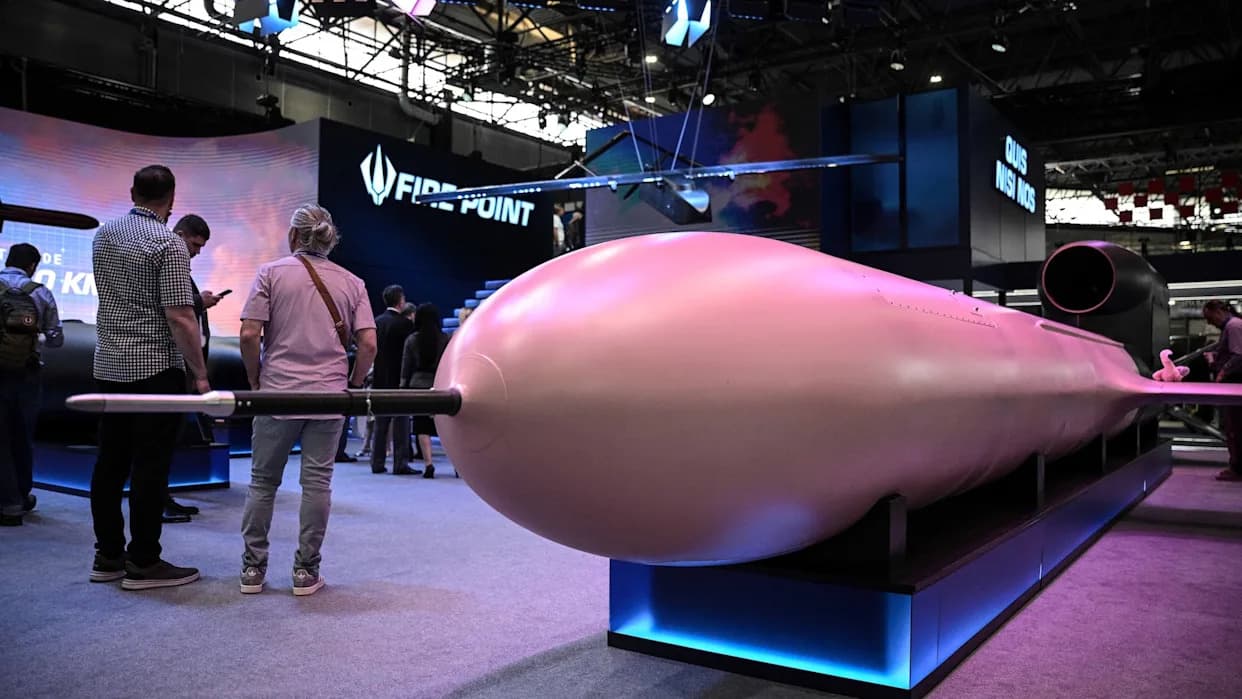
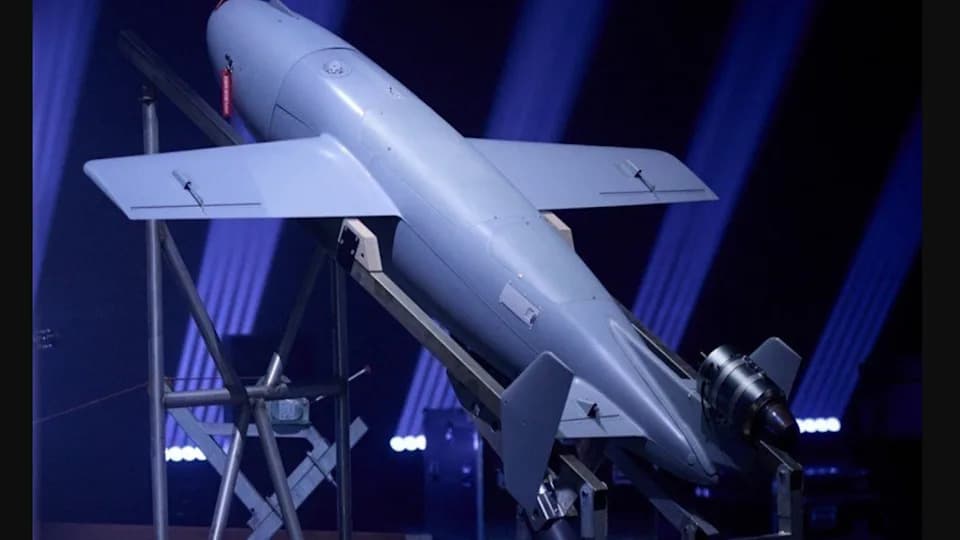
This photograph shows an FP-5 Flamingo cruise missile and a drone FP-1 from Ukrainian defence technology company Fire Point on display at Eurosatory, a land and airland defence and security trade fair, in Villepinte on the outskirts of Paris, on June 16, 2026.
European defence firms are moving beyond supplying Kyiv to co‑developing and manufacturing Ukraine’s combat‑proven long‑range cruise missiles — a shift that could help NATO members close a widening gap in land‑based deep‑strike capabilities.
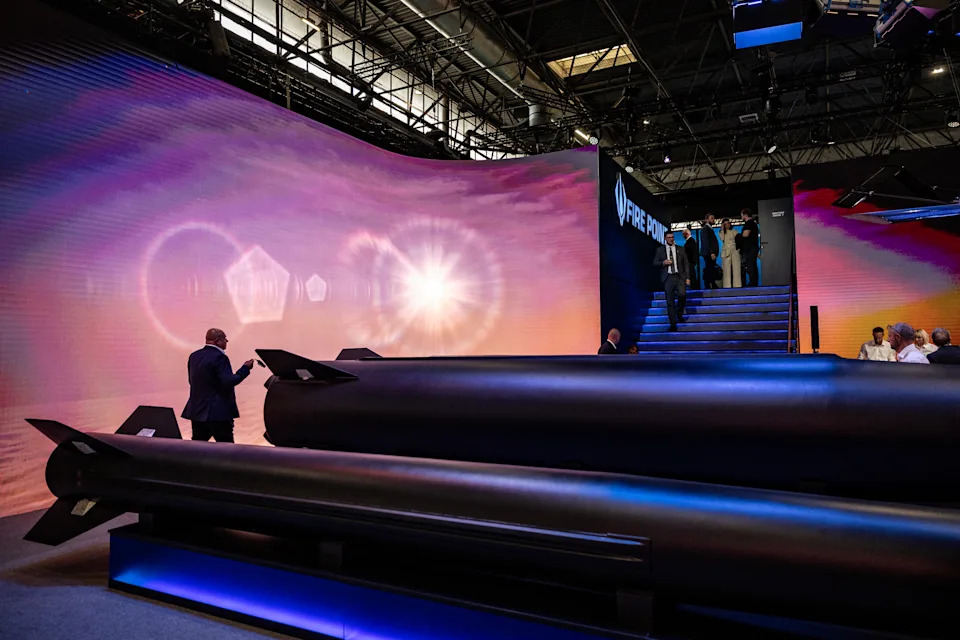
Visitors at the stand of Ukrainian defense technology company Fire Point during the Eurosatory defense and security trade fair, at the Paris-Nord Villepinte Exhibition Center in Villepinte, north of Paris on June 15, 2026.Photo by Guillaume BAPTISTE / AFP
Key Industrial Moves
Diehl Defense has confirmed plans to produce Ukraine’s FP‑5 “Flamingo” cruise missile in Germany after talks with manufacturer Fire Point. Diehl CEO Helmut Rauch said the company will hold further discussions in the coming weeks; Diehl previously signed a technology agreement with Fire Point but gave few details.

German Defense Minister Boris Pistorius visits the command post of a Ukrainian Army combat and reconnaissance drone unit in Dnipro during a visit to Ukraine last month.Photo by Kay Nietfeld/picture alliance via Getty Images
At the same time, MBDA — the largest missile manufacturer in Europe — signed a memorandum of understanding with Ukrainian developer Luch to cooperate on the Neptune family of cruise missiles. Under the MoU, MBDA and Luch will work on a so‑called Neptune 2 variant with a stated aim of “disruptive innovation.”
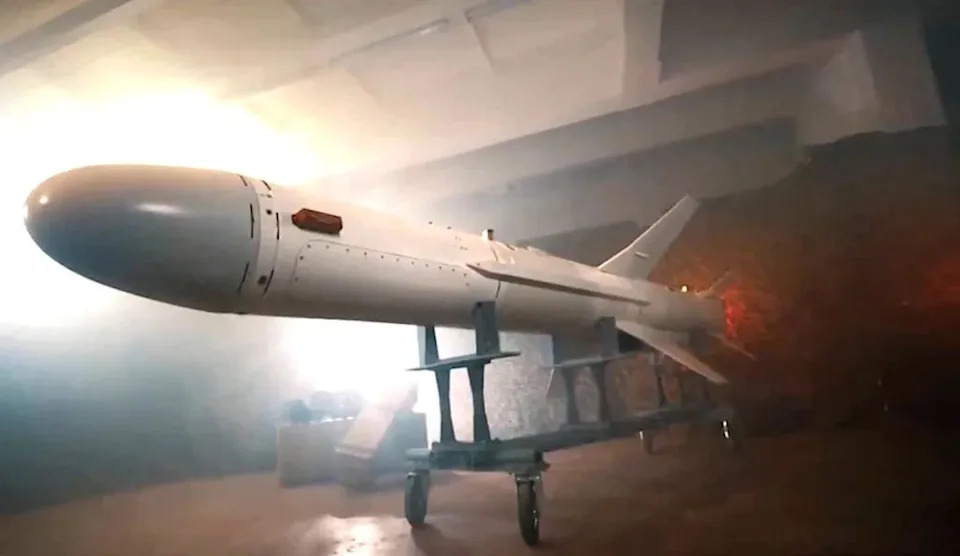
The original configuration of the Neptune missile.Office of the President of Ukraine Volodymyr Zelensky
What The Missiles Offer
Neptune Family: Originally developed from the Soviet Kh‑35 (NATO designation SS‑N‑25 Switchblade) as an anti‑ship missile, Luch’s Neptune became widely known after the 2022 sinking of the Russian cruiser Moskva. A land‑attack Neptune variant reportedly surfaced in 2023 with a range of roughly 225 miles (360 km); the anti‑ship version is reported near 190 miles (300 km). Ukraine later revealed an extended‑range “Long Neptune,” which President Volodymyr Zelensky said can reach about 620 miles (1,000 km). Land‑attack Neptunes reportedly use a GPS‑assisted inertial navigation system (INS) and an imaging‑infrared seeker instead of the anti‑ship active radar.
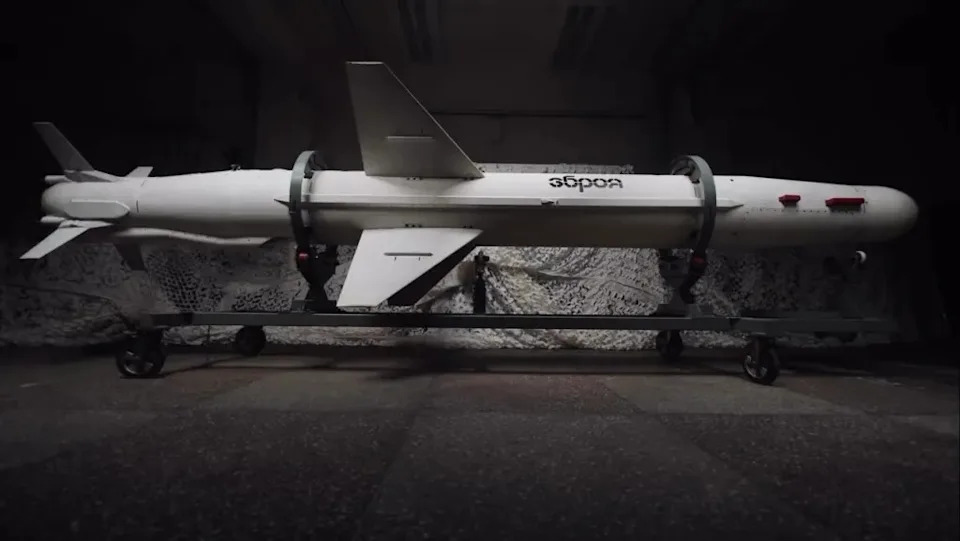
An official photo of the Long Neptune cruise missile.Government of Ukraine
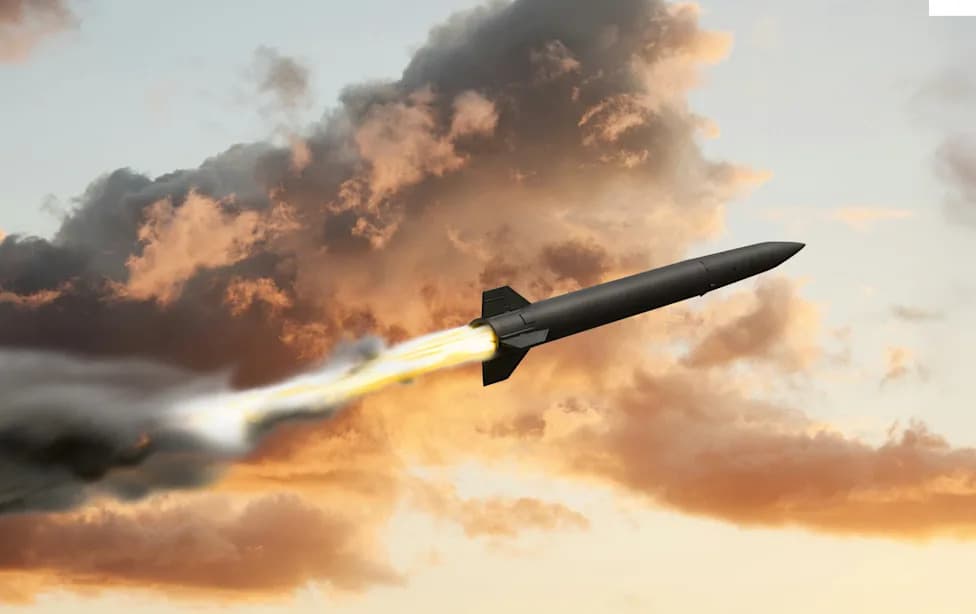
Flamingo (FP‑5): The Flamingo is a much larger, trailer‑launched cruise missile reportedly designed to strike deep inside Russia. Open‑source reporting places its range at about 1,864 miles (3,000 km) with a warhead around 2,205 lb (≈1,000 kg). The Flamingo is said to use satellite navigation and an INS for guidance and is powered by an Ivchenko AI‑25 turbofan engine.
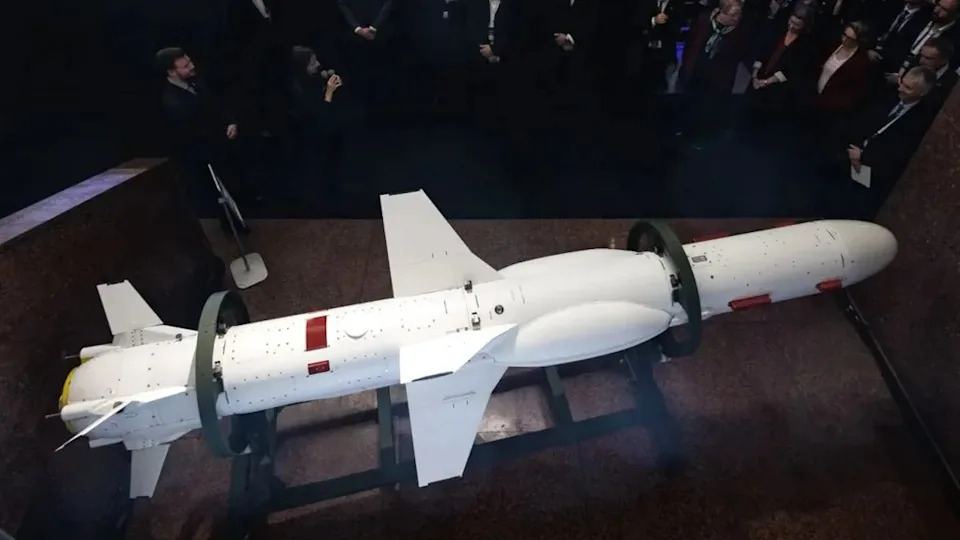
The ‘bulged’ Neptune variant.Denys Shmyhal/Ukrainian Ministry of Defense
Production, Scale And Limitations
Fire Point has stated an ambition to ramp Flamingo production to at least seven missiles per day (≈2,555 per year) by October — a target that would require robust supply chains and additional production lines. European manufacturing partners like Diehl could expand capacity and add advanced subsystems.
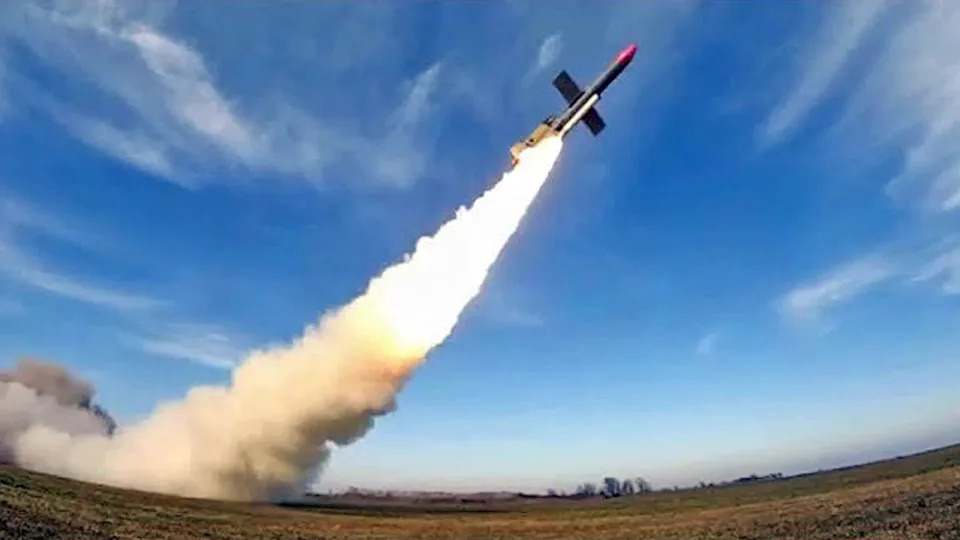
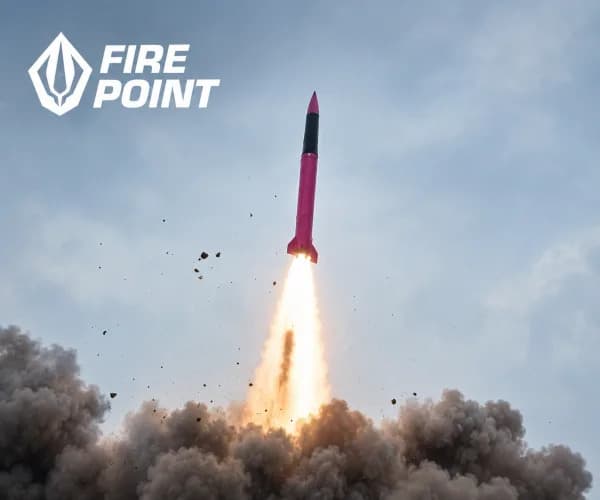
Launch of a Flamingo long-range cruise missile.via Ukrainska Pravda
However, both the Flamingo and Neptune series are subsonic and do not appear to use advanced signature‑reduction measures, making them more vulnerable to modern air‑defence systems. Their battlefield value therefore depends on massed employment, integration with long‑range drones, decoys, and other tactics to overwhelm defences.
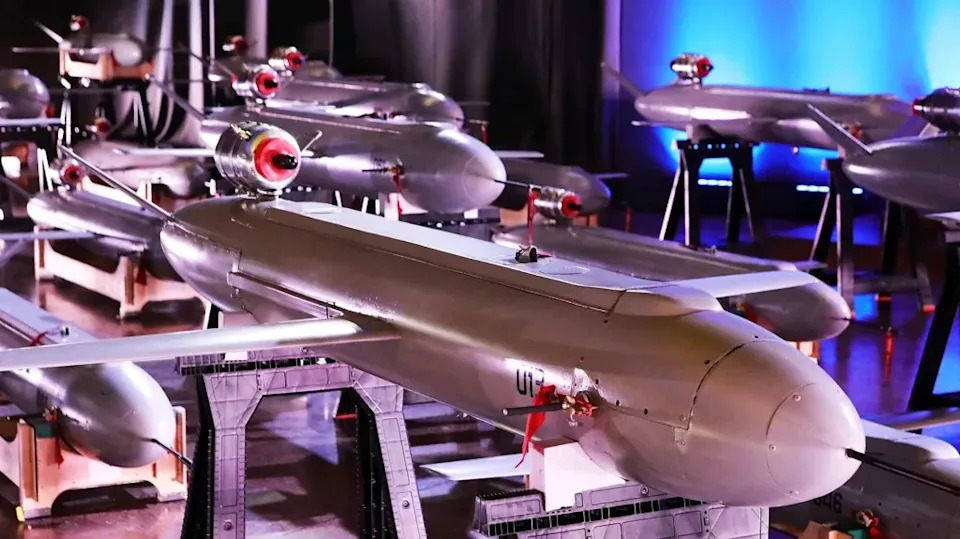
Ukrainian Peklo ‘missile-drones.’Ukrinform/NurPhoto via Getty Images
"Ukraine’s wartime production model emphasizes rapid, cost‑effective, mass manufacture of combat‑proven systems — an approach that appeals to partners seeking both scale and real‑world performance."
How Europe Could Benefit
European partners can bring mature seeker technologies, sensors and industrial scale. Diehl has suggested it could fit the Flamingo with a more advanced seeker, while MBDA’s engineering resources could improve future Neptune variants. Such upgrades would increase accuracy, survivability and interoperability with NATO command and control.
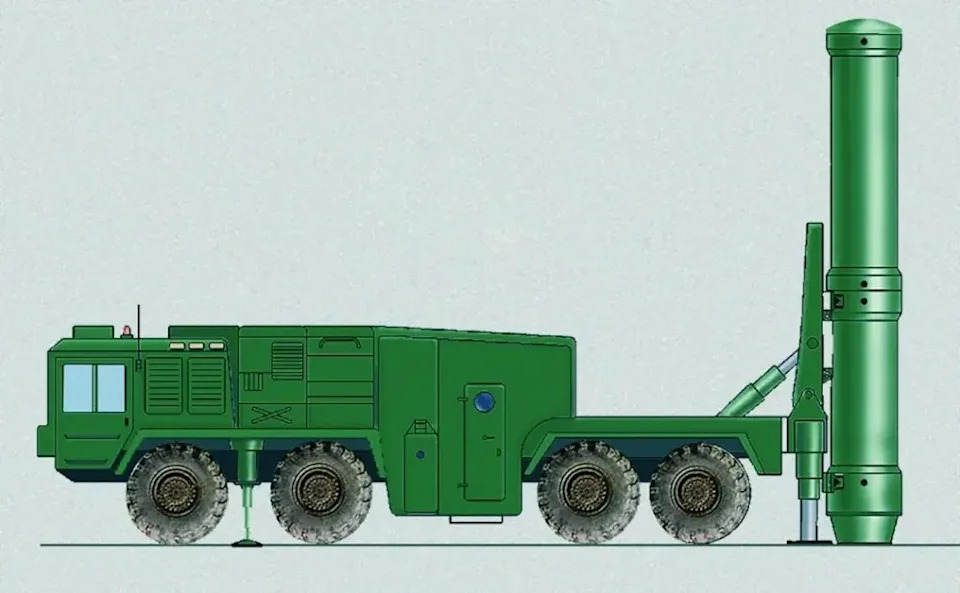
An artist’s rendition of the Hrim-2 TEL, as offered for export by Ukraine, back in 2015.Ukroboronexport
These partnerships are unfolding as European multinational efforts — including the European Long‑Range Strike Approach (ELSA) and a separate Germany–UK deep‑strike initiative — remain years from fielding new indigenous systems. Adopting and adapting Ukrainian designs could offer an interim path to fielding land‑based long‑range strike capabilities sooner.
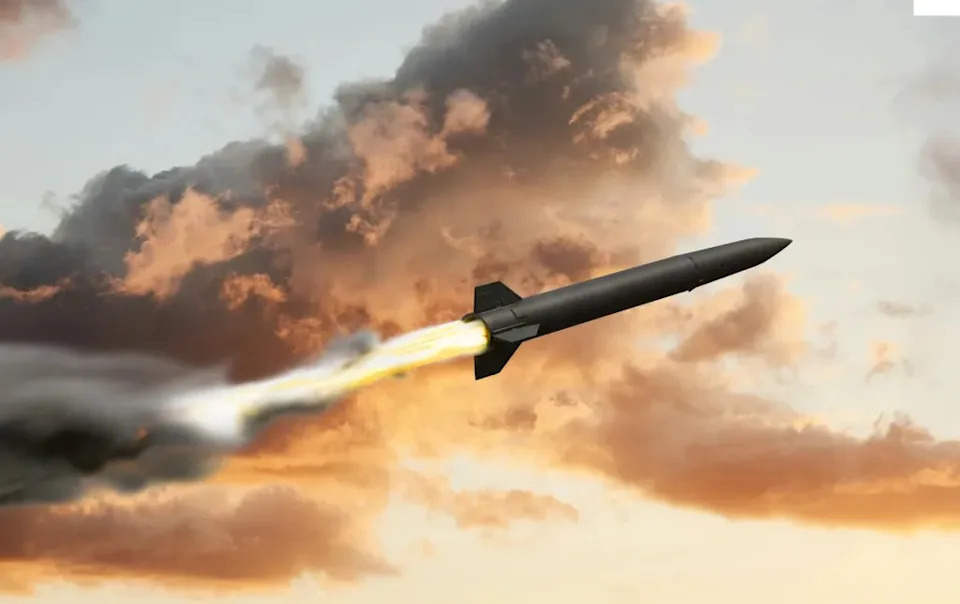
A rendering of the FP-7 surface-to-surface ballistic missile.Fire Point
Strategic Context
Russia’s continued investment in long‑range fires and forward basing (for example, in Kaliningrad) has exposed capability shortfalls among European NATO members. The United States has so far limited transfers of some long‑range systems to Ukraine, and political constraints have slowed other deployments, prompting Europe to explore alternative suppliers and co‑development options.
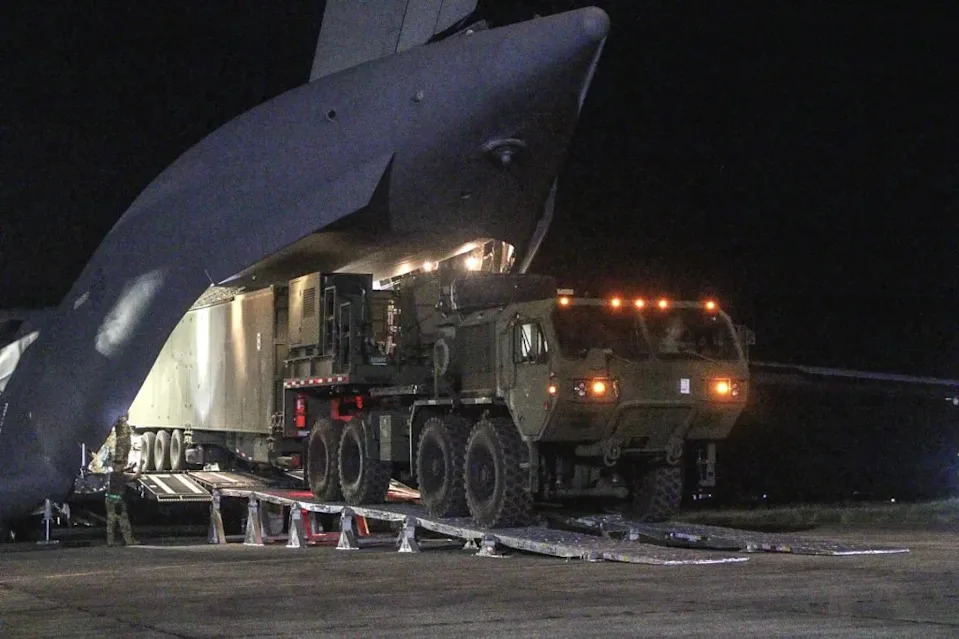
U.S. personnel unload a trailer-based launcher associated with the Typhon weapon system from a C-17A transport aircraft in the Philippines in 2024. The Typhon was to be deployed in Germany as part of a U.S. Army long-range fires battalion, the 2nd Multi-Domain Task Force (2MDTF).U.S. Army
If joint production and technology transfers proceed, Ukrainian developers such as Luch and Fire Point, combined with established European firms like MBDA and Diehl, could deliver a mix of combat‑tested designs, industrial scale and advanced seekers — helping NATO address one of its most pressing conventional capability gaps.
Contact the author: [email protected]
Help us improve.