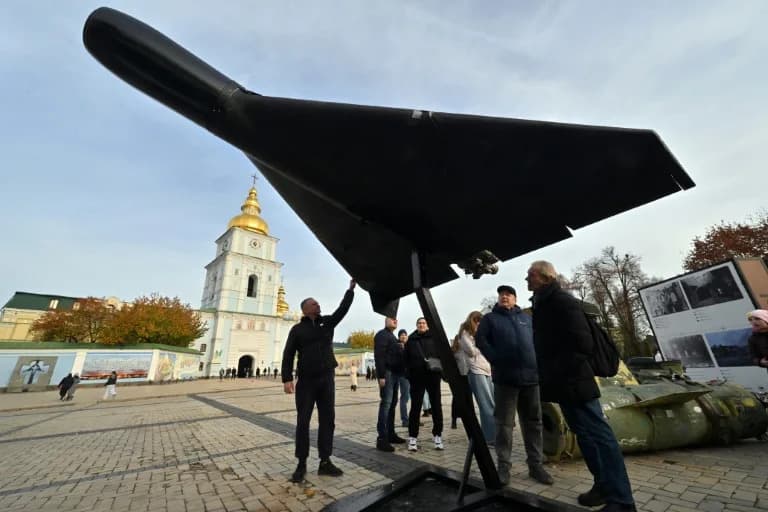
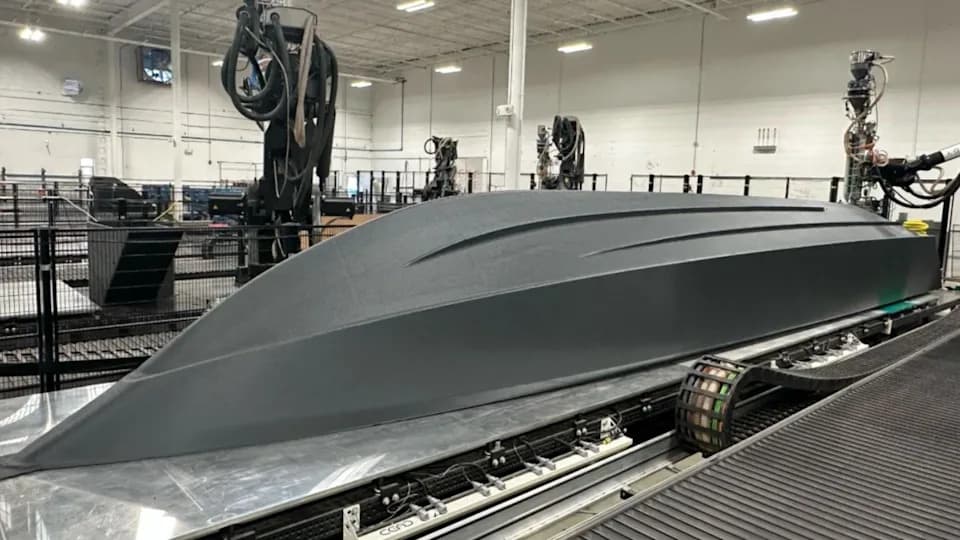
Russia is reportedly preparing final tests of a ground‑launched ballistic missile with a range up to 800 km (about 500 miles), and Ukraine warns trials could include live‑fire strikes. Experts say enhanced terminal maneuverability would complicate interception and could require more advanced interceptors. The missile's range falls into a bracket once restricted by the INF Treaty; production and launch rates remain high, raising regional concern.
Russia Readies Final Tests Of 800 km Missile — Experts Warn Of 'Terminal End‑Game' Surprises
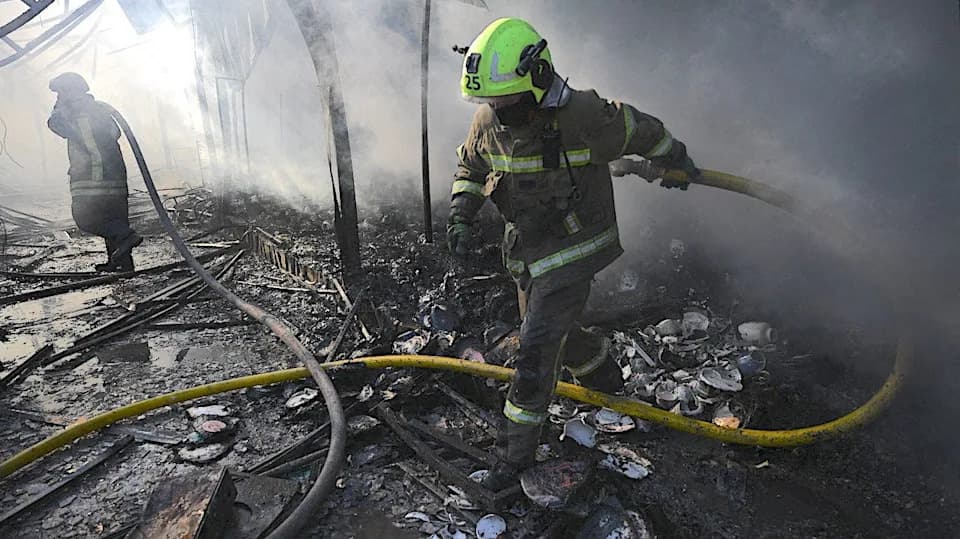
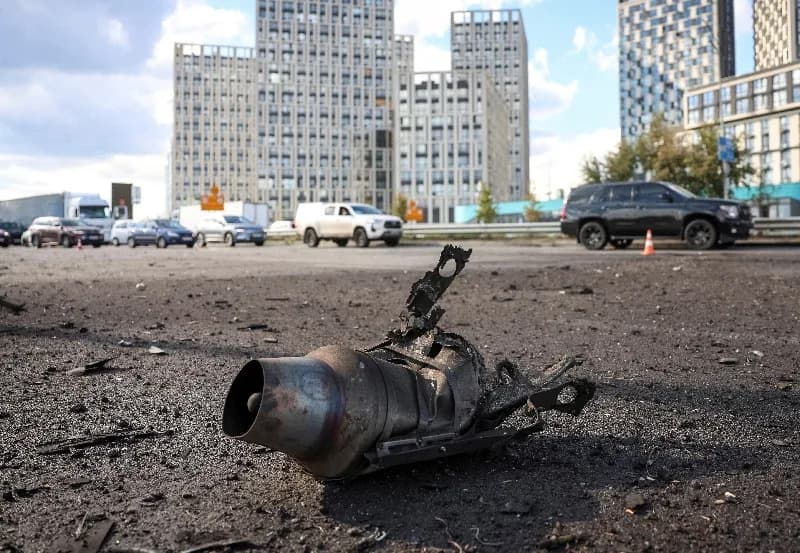
Ukrainian firefighters work to extinguish a fire at a market following a Russian missile strike in Kyiv.
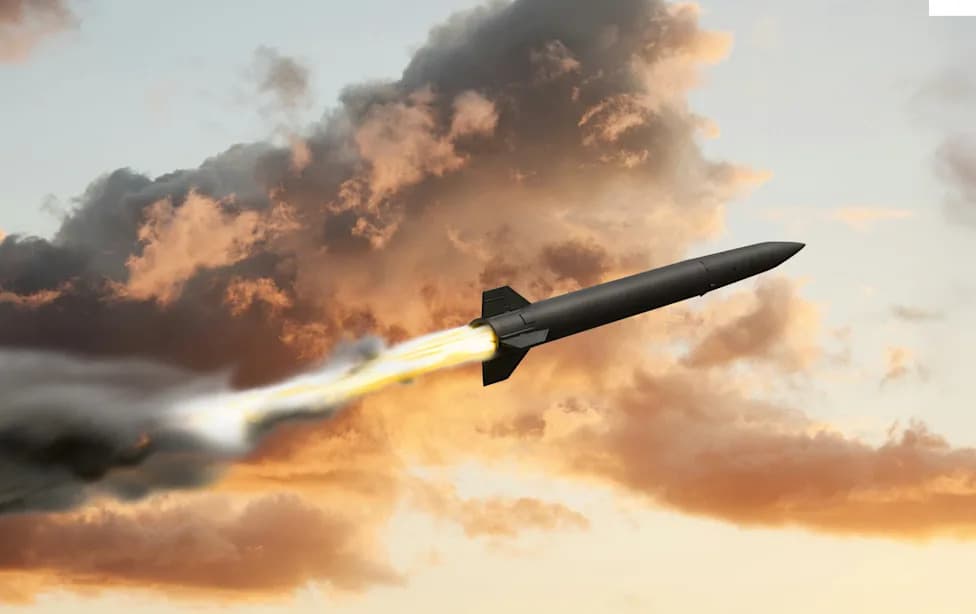
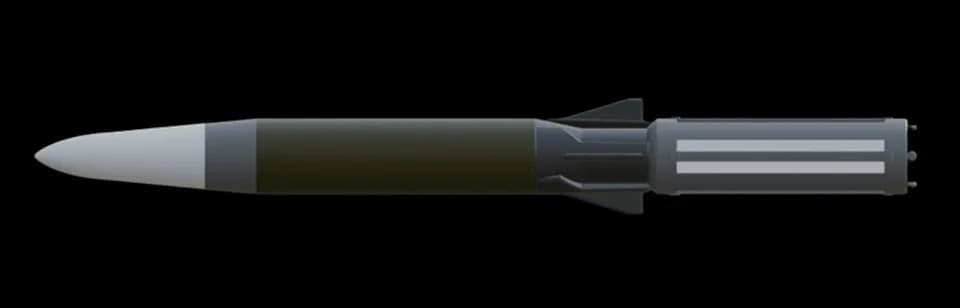
Moscow is preparing final trials of a new ground-launched ballistic missile with a reported range of up to 800 kilometres (about 500 miles), Ukrainian and Western analysts warn. Ukraine's Defence Intelligence (DIU) says those trials could include live-fire demonstrations inside Ukraine and may be completed by year-end.
What Officials Say
Vadym Skibitskyi, deputy head of the DIU, told the Ukraine‑NATO Interparliamentary Council that Kyiv estimates Russia plans to finish final testing of the weapon by the end of the year and that operational trials could include strikes in western Ukraine.
"According to our estimates, Russia plans to conduct final tests of a new type of ballistic missile with a range of up to 800 km by the end of this year," Skibitskyi said.
Maneuverability Raises Interception Concerns
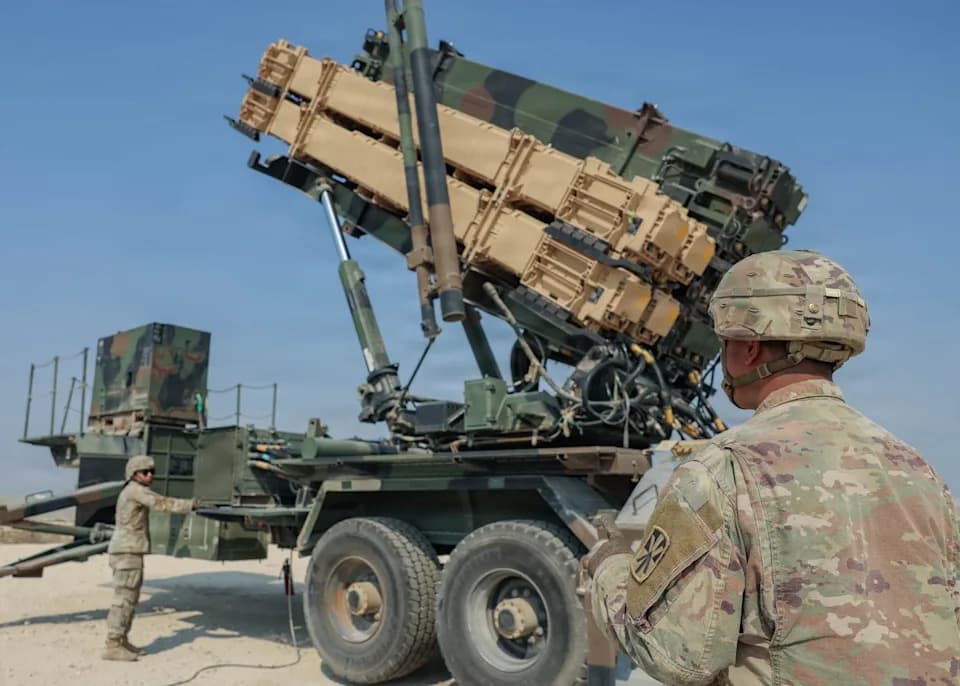
Tom Karako, director of the Missile Defense Project at the Center for Strategic and International Studies, warned that enhanced terminal maneuverability could make interception far more difficult. "If, for instance, this 800‑kilometre missile has more advanced maneuverability, well then that's going to create greater problems for Ukraine in that they're going to need the more sophisticated interceptors to get them," he told Fox News Digital.
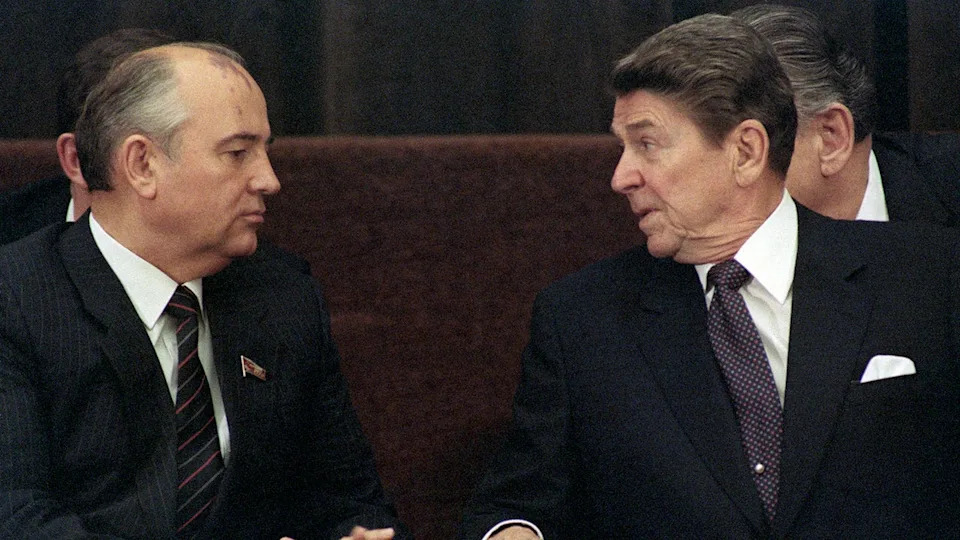
At the closing ceremony for the Geneva Summit, Soviet leader Mikhail Gorbachev and President Ronald Reagan sit near each other, on November 21, 1985.
Karako explained that terminal maneuvers—last‑second trajectory changes as a reentry vehicle approaches a target—can confuse defenders and require more advanced interceptors or alternative countermeasures. He added that Russia might instead produce a larger number of simpler 800‑km missiles at lower cost.
Operational Testing And The Broader Context
Ukraine's DIU warned Russian forces may use western Ukraine for live-fire demonstrations as part of operational testing. Karako described this pattern—developmental testing followed by in‑theatre trials—as common during wartime, despite the norms it breaks.
The missile's approximate 800‑km range places it in a category once restricted by the 1987 Intermediate‑Range Nuclear Forces (INF) Treaty, which limited ground‑launched ballistic and cruise missiles to ranges below roughly 500 km. The United States withdrew from the treaty in 2019 amid accusations of Russian violations.
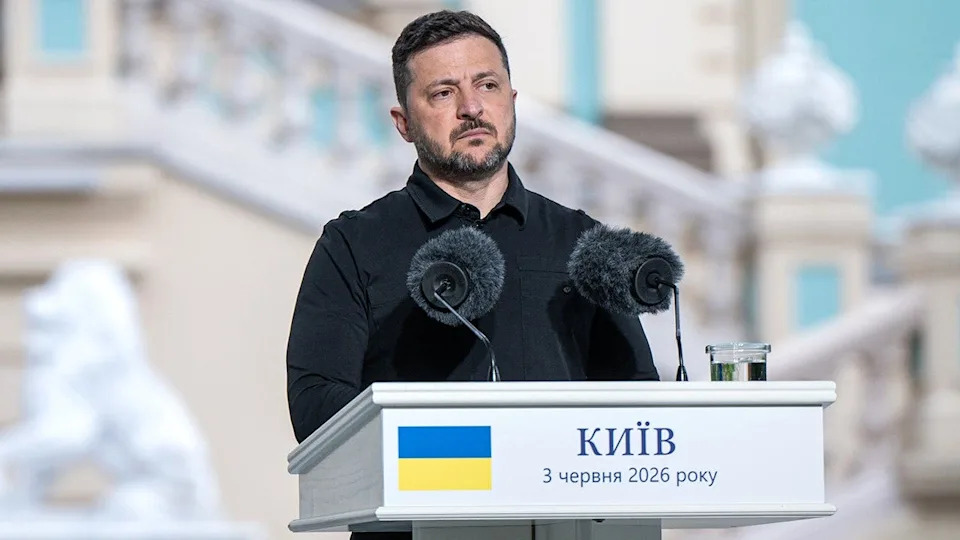
Ukrainian President Volodymyr Zelenskyy and NATO Secretary General Mark Rutte (not seen) hold a joint press conference in Kyiv, Ukraine, on June 3, 2026.
Production, Launch Rates And Regional Impact
Missile strikes and artillery have been central to Russia's campaign since the 2022 invasion. Ukrainian outlets report Russia's production of main missile types has reached about 110%–120% of monthly targets. The Kyiv Independent reported at least 1,858 missiles of various types were launched at Ukraine from the start of 2026 through Aug. 27.
Ukrainian President Volodymyr Zelenskyy has highlighted the strain on air defenses, saying Ukraine needs roughly 100–120 interceptor missiles for the coming difficult months, particularly winter. Karako said the high operational tempo and demand for standoff weapons helps explain why new missile types and larger production runs are appearing.
What This Means
The development of a longer‑range, potentially maneuverable ground‑launched missile would be a notable enhancement of Moscow's arsenal. It could force Ukraine and its partners to seek more capable interceptors, expand stockpiles of anti‑missile munitions, or adopt new countermeasures to address missiles that travel largely ballistically but retain terminal maneuvering capability. Countries in Eastern Europe—including Poland, Romania and the Baltic states—are monitoring the developments closely.
Help us improve.