Susan Collins, who promised not to support Supreme Court nominees hostile to Roe v. Wade, voted to confirm Brett Kavanaugh in 2018 and later defended that decision, saying she does not regret it. Kavanaugh joined the 2022 Dobbs majority that overturned Roe, contrary to Collins' earlier expectation. Collins highlighted that she supported justices who opposed overturning Roe, but she also voted to confirm four of the six justices in the Dobbs majority. That contrast is likely to resurface during her 2026 re-election campaign.
Collins Defends Kavanaugh Vote — But Overlooked That She Backed Most Justices Who Overturned Roe
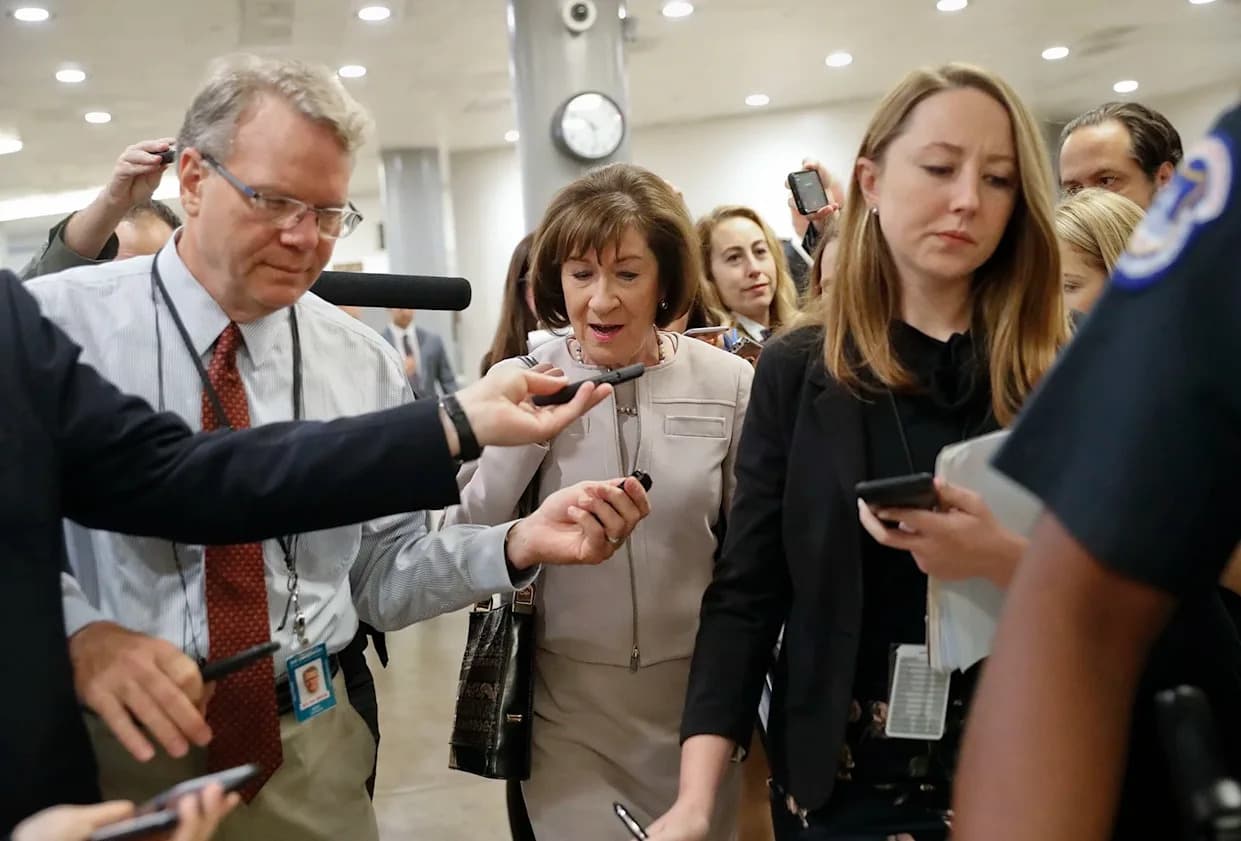
Sen. Susan Collins (R-Maine) is followed by members of the media as she walks over before a vote to advance Brett Kavanaugh's nomination to the Supreme Court, on Capitol Hill on Oct. 5, 2018.(Pablo Martinez Monsivais / AP Photo)
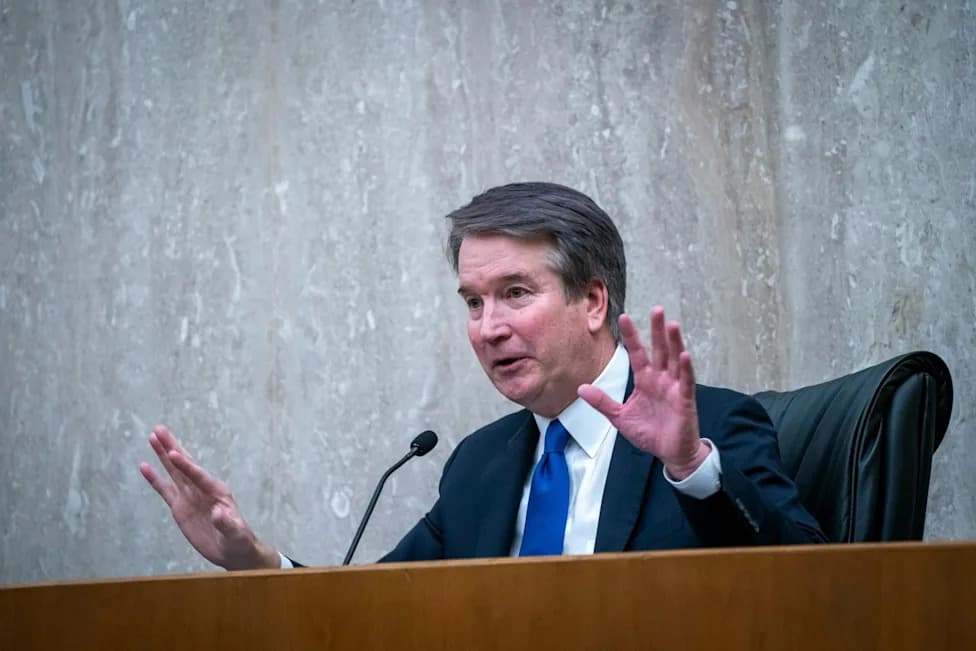
Sen. Susan Collins of Maine, long one of the few Republican senators to publicly back abortion rights, once said she would not support a Supreme Court nominee who demonstrated hostility to Roe v. Wade. In 2018, she voted to confirm Brett Kavanaugh and publicly expressed confidence that he viewed Roe as "settled law."
That assurance proved incorrect: in 2022 the Supreme Court overturned Roe in Dobbs v. Jackson Women’s Health Organization, and Kavanaugh joined the 6-3 majority that ended the federal constitutional protection for abortion.
When asked recently by an NBC affiliate in Maine whether she regretted her Kavanaugh vote, Collins said, 'I do not regret that vote.' She added that she disagreed with Kavanaugh’s vote in Dobbs and noted that several justices she supported — including Elena Kagan, Sonia Sotomayor and Ketanji Brown Jackson — opposed overturning Roe.
'I do not regret that vote,' Collins said. 'Several justices whom I supported voted the other way.'
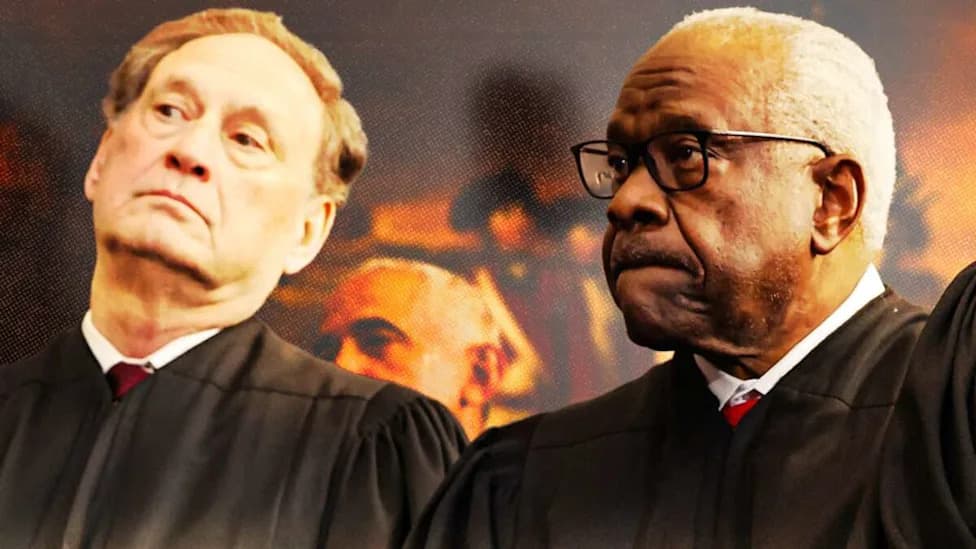
That point is true but incomplete. Six justices formed the Dobbs majority: Chief Justice John Roberts and Justices Samuel Alito, Clarence Thomas, Neil Gorsuch, Amy Coney Barrett and Brett Kavanaugh. Collins voted to confirm four of those six — Roberts, Alito, Gorsuch and Kavanaugh — and opposed Barrett’s confirmation. (Clarence Thomas was confirmed long before Collins joined the Senate.)
Collins also voted to confirm Stephen Breyer, whom Ketanji Brown Jackson later replaced; Jackson joined the Court eight days after Dobbs was issued. By emphasizing the justices she supported who dissented, Collins reminded voters she backed some defenders of Roe — but she did not highlight that she also helped confirm the majority of the justices who voted to overturn it.
What This Means For 2026
Collins is running for re-election in 2026, her first campaign since Roe was overturned. Her explanation for the Kavanaugh vote — and the omission of the fact that she supported most of the Dobbs majority — is likely to be a recurring issue during the campaign as opponents and voters scrutinize her record on reproductive rights.
Bottom line: Collins' defense rests on accurate but selective facts. She can point to confirmed justices who opposed overturning Roe, but she also voted for a majority of the justices who ultimately ended federal abortion protections.
Help us improve.