Nearly 300 gray whales congregated near Kodiak Island in summer 2025, a dramatic rise from the previous year's counts and a possible sign of changing feeding behavior. Scientists link the shift to reduced prey in Arctic summer feeding grounds—changes driven by long-term Arctic warming. NOAA stranding data (61 in 2024, 179 in 2025, and at least 127 so far this year) underscore continuing risks for the species. Researchers and local communities are monitoring whether alternative sites like Kodiak can offset broader declines.
“Like Smokestacks”: Nearly 300 Gray Whales Crowd Kodiak in Unusual Feeding Surge
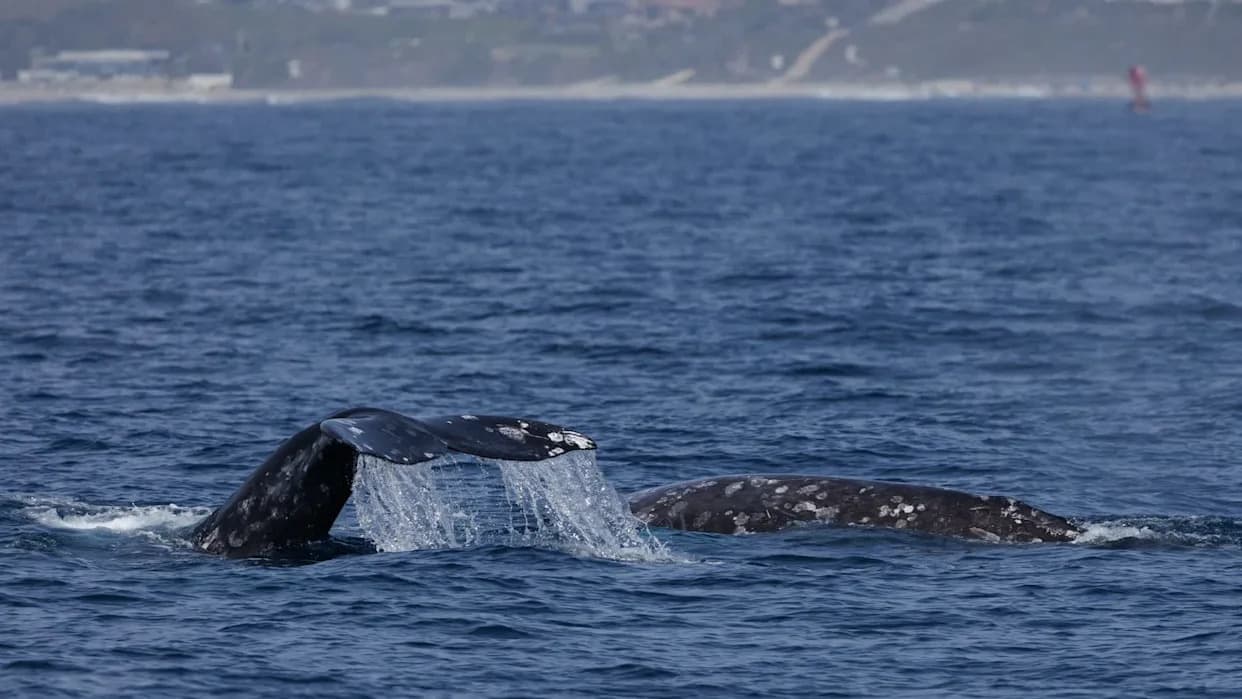
Photo Credit: iStock
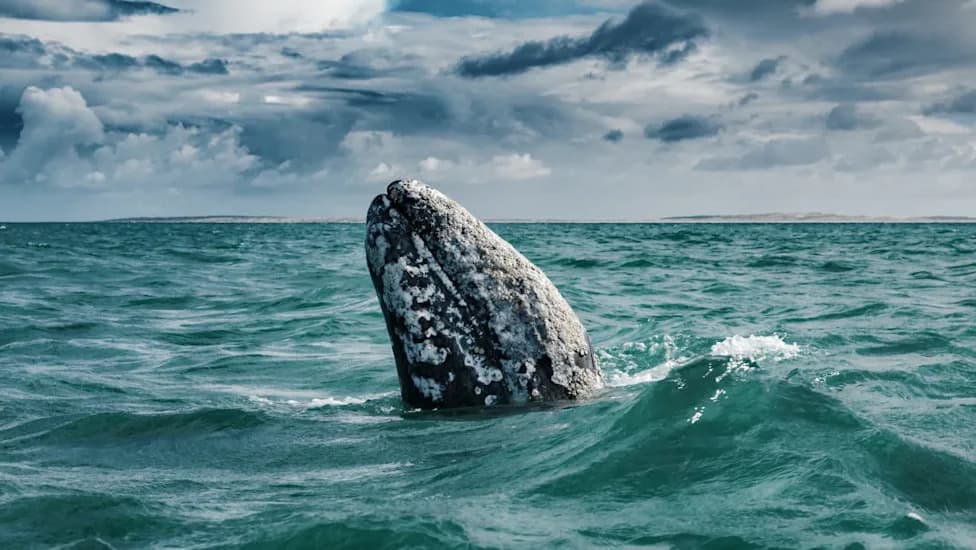
Unusually large numbers of gray whales gathered near Kodiak Island in the summer of 2025, offering scientists and local communities an unexpected moment of optimism amid broader concerns for the species.
Near Pasagshak Bay, Sun'aq Tribe natural resources director Matt Van Daele expected only a few animals. Instead, he described the scene as so dense with whales that "it looked like smokestacks from all the whales breathing." What had been about 20–30 whales the previous year swelled to an estimated 150 in a single sighting and reached nearly 300 by the end of the season. Early indicators suggest 2026 could show similar numbers.
Shifting Feeding Patterns
Researchers across Alaska have reported comparable increases. Lauren Wild, a research biologist and assistant professor of applied fisheries at the University of Alaska Southeast in Sitka, recalled that only "maybe 10 or 15 whales" historically fed in some local areas each year. That changed sharply in 2020, and more whales have been appearing in alternative feeding grounds such as Kodiak.
Scientists believe the shift is driven largely by declines in prey availability in traditional Arctic feeding grounds. Long-term warming in the Arctic—linked to global climate change—has reshaped ecosystems in the Bering and Chukchi seas, reducing the abundance of invertebrates and other prey gray whales rely on to build fat stores during summer.
"They're very intelligent creatures... they're going to go where the feed is," Van Daele said, explaining why whales may congregate in new or historically less-used feeding areas.
Mixed Consequences
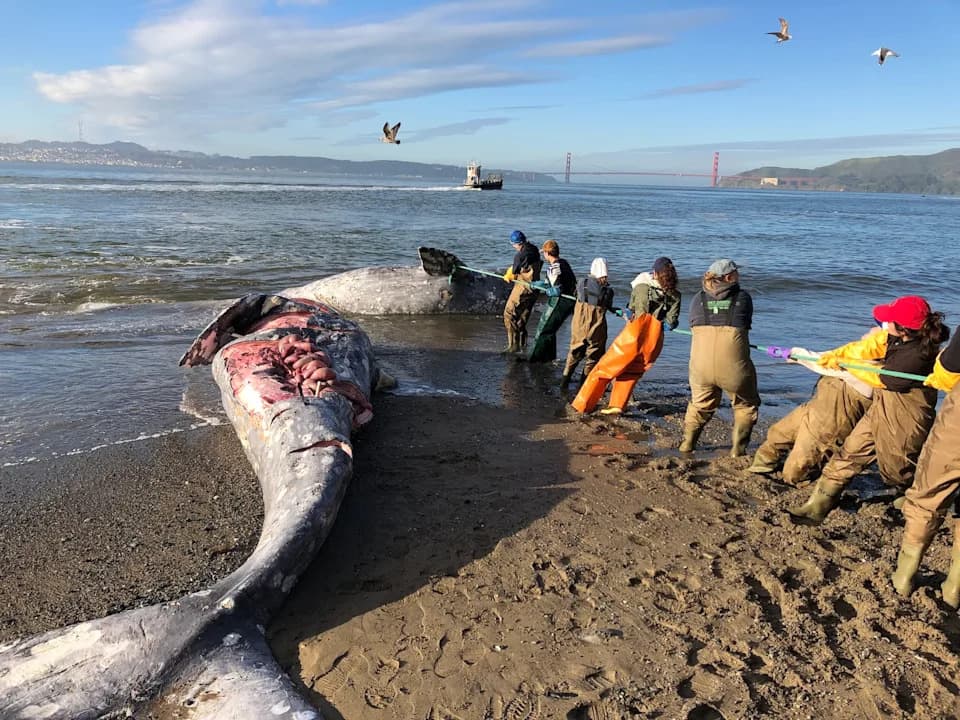
The consequences of this redistribution are uneven. NOAA recorded 61 gray whale strandings along the U.S. West Coast in 2024, 179 in 2025, and at least 127 so far this year—figures that underscore ongoing risks to the population. In regions such as San Francisco Bay, researchers have linked the shift to more deaths from starvation and vessel strikes. By contrast, some Alaskan feeding sites show whales arriving in and leaving in relatively good condition, suggesting those areas may temporarily serve as refuges.
John Calambokidis, co-founder and research biologist with Cascadia Research Collective, emphasized long-term ecosystem change: "The Arctic has seen, over multiple decades, dramatic ecosystem changes, and monitored feeding areas have experienced declines in prey abundance."
Scientists and local communities continue to closely monitor these unusual gatherings. While the large Kodiak aggregations provide a cautious sign of adaptability, researchers warn that broader climate-driven shifts in ocean ecosystems pose continuing challenges to gray whale recovery and survival.
What To Watch: Whether alternative feeding sites like Kodiak can sustain growing numbers of whales, and how changing distributions affect mortality risk from starvation, entanglement, and ship strikes.
Help us improve.