Researchers trapped 81 bloody red shrimp (Hemimysis anomala) in Duluth–Superior Harbor last summer, including adults, juveniles and gravid females, confirming Lake Superior as the fifth Great Lake with an established population. The mix of life stages indicates local reproduction. Teams are now sampling Montreal Pier every two weeks while state officials warn there is no proven control for this species in natural water bodies.
Pregnant Bloody Red Shrimp Found in Lake Superior — All Five Great Lakes Now Host the Invasive Species
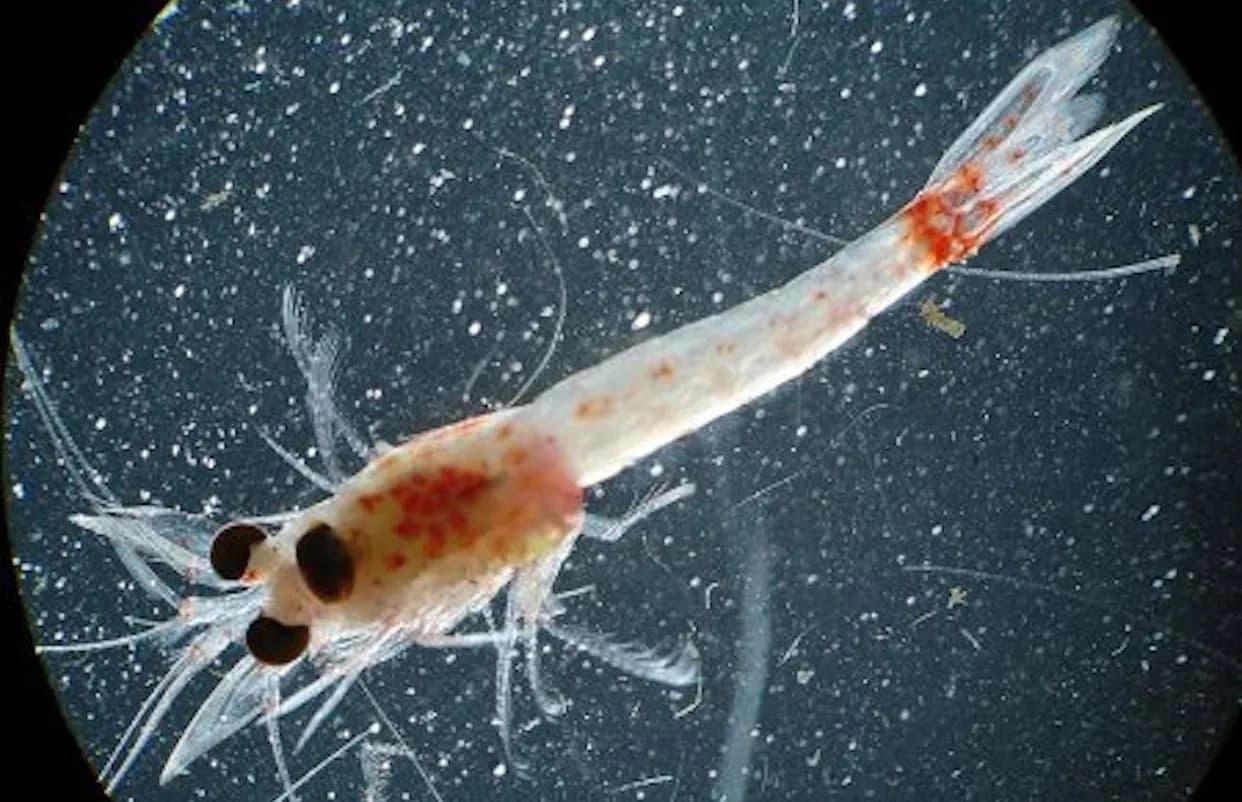
Photo Credit: NOAA
Researchers have confirmed the presence of invasive bloody red shrimp (Hemimysis anomala) in Lake Superior, marking the last of the five Great Lakes to host an established population.
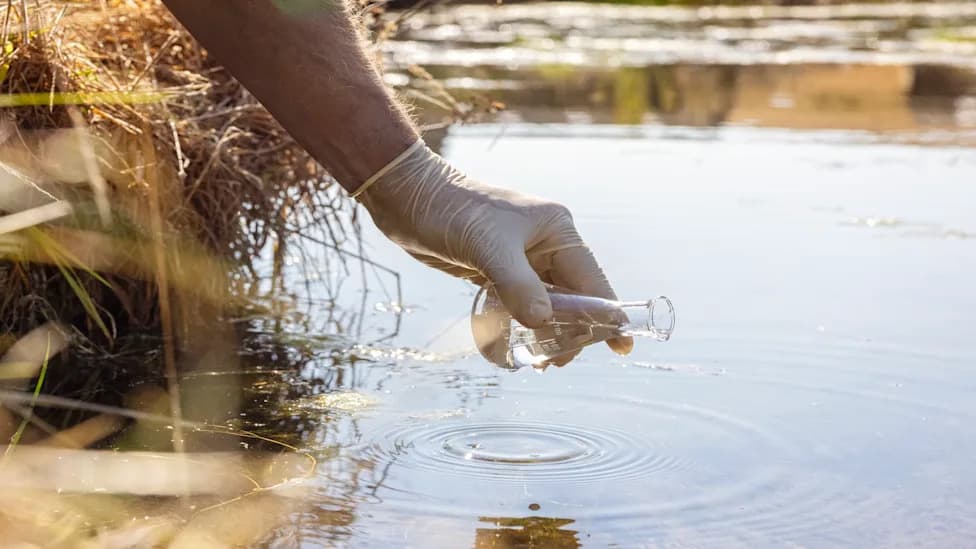
Last summer's sampling in the Duluth–Superior Harbor produced 81 bloody red shrimp at two sites — Wisconsin Point and Montreal Pier — including adults, juveniles and gravid (pregnant) females. No individuals were caught at Barkers Island during the same survey.
What the Findings Mean
The mix of life stages and presence of gravid females strongly suggests local reproduction rather than a brief, one-off arrival. The study states:
"Lake Superior now becomes the fifth and final Great Lake in which it is considered established. The delayed establishment in Lake Superior is notable and may reflect barriers such as colder temperatures and geographic isolation."
Ongoing Monitoring
Lead author Donn Branstrator, a biology instructor at the University of Minnesota Duluth, said the research team is sampling at Montreal Pier every two weeks this summer and monitoring several other harbor sites to track any spread.
Ecological Concerns and Management
Although the bloody red shrimp is small, scientists warn its arrival could alter nearshore food webs that support local communities, fish and wildlife. The paper notes the species is "broadly omnivorous, and the invasion's ecological consequences are uncertain. Based on its history of invasion across Europe, significant ecological impacts are possible."
Branstrator added, "We don't yet have firm evidence of adverse consequences in the Great Lakes, but it presents a potential new pathway for nutrients and contaminants to move among species in the nearshore food webs."
Officials say removal options are limited. The Minnesota Department of Natural Resources cautions:
"There is no known effective population control for bloody red shrimp in natural water bodies at this time."The DNR also noted that because many inland lakes have not yet seen established populations, information on impacts to smaller lake systems is scarce.
Coordination and Next Steps
Michigan officials reported they are not conducting active monitoring for the species locally, noting that the U.S. Fish & Wildlife Service operates a Great Lakes Aquatic Invasive Species Early Detection Monitoring program. For researchers, Duluth–Superior Harbor — which has served as an entry point for nonnative species in the past — will remain a focus to watch for further spread.
Bottom line: The detection of adults, juveniles and pregnant females in Lake Superior suggests an established, reproducing population of bloody red shrimp in the Duluth–Superior Harbor. Scientists will continue frequent sampling to understand distribution and potential ecological effects, but effective population control in open waters is not currently available.
Help us improve.