The IEA finds that heat pumps already cost less to run than gas boilers in most EU countries, with potential annual savings up to €800 (≈$924). In 16 countries heat pumps are as cheap or cheaper over their lifetime for residential heating, covering about one‑third of demand. For industry, heat pumps are the lowest‑cost option for heat below 150°C, though adoption is uneven due to upfront costs, policy design and energy pricing. The IEA urges measures such as low‑cost financing, renovation support and electricity‑pricing reform to accelerate uptake.
IEA: Heat Pumps Now Cheaper Than Gas Boilers In Most EU Countries — Save Up To €800 A Year
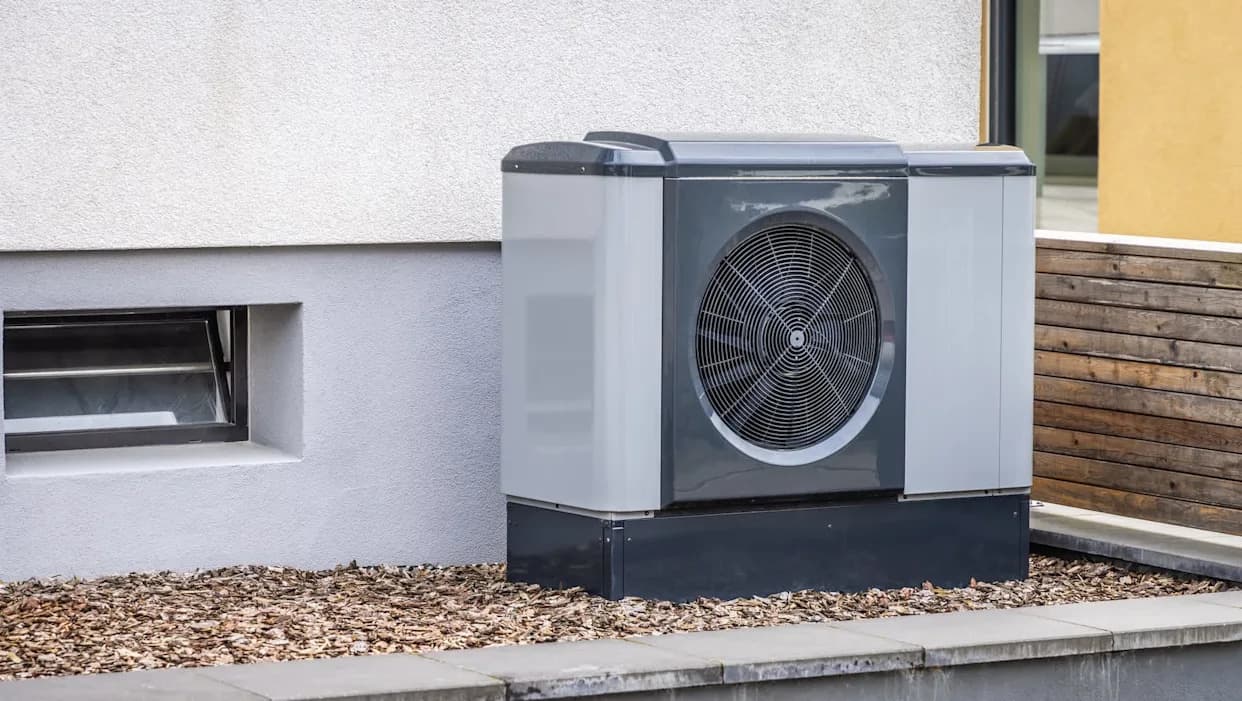
Photo Credit: iStock
Heat pumps can already cut household energy bills by hundreds of euros a year in much of the European Union, while also helping reduce reliance on imported fossil fuels. A fresh analysis of International Energy Agency (IEA) data shows significant variation between countries, however, and highlights upfront costs and policy design as key barriers to faster uptake.
Key Findings
Residential: According to the IEA analysis reported by pv magazine, households in almost every EU country can now pay less annually to run a heat pump than a gas boiler, with energy bill savings of up to €800 (about $924) in some markets. In 16 EU countries residential heat pumps already match or outperform gas boilers on total lifetime ownership cost, covering roughly one-third of the bloc's residential space‑heating demand. Sales of residential heat pumps rose 17% in Q1 2026 across 11 major European markets, including France, Germany and Poland.
Industrial: For industry, the IEA finds heat pumps are the lowest‑cost option to electrify most heat demand below 150°C (302°F). The agency identified 17 countries — representing about 40% of the EU's low‑temperature thermal demand — where heat pumps already show superior lifetime economics compared with gas boilers.
Why Uptake Is Uneven
The IEA points to several reasons adoption varies widely between countries: higher upfront purchase and installation costs for heat pumps, differences in policy design, market structure, and energy pricing. In large heating markets such as Germany, Poland and France the lifetime cost advantage is often small; many buyers still opt for gas because boilers are cheaper to buy and simpler to install.
Policy Levers To Speed Adoption
The agency recommends stronger policy support to close the gap. Suggested measures include low‑cost financing and project management assistance for residential renovations to reduce the initial investment hurdle. For industry, electricity‑pricing reform could reward flexible consumers with lower grid fees or tariffs that reflect day‑ahead and intraday wholesale prices rather than flat charges.
Several countries are already experimenting with these approaches: Denmark, Germany and the Netherlands have introduced lower grid fees for flexible demand to improve the economics of electrification. The IEA also highlights the EU Grids Package as a potential tool to address high capital costs, infrastructure bottlenecks and long grid‑connection delays.
The IEA: Heat pumps are cheaper to operate than gas boilers in almost all EU countries, with annual energy savings of up to €800 ($924). With appropriate installation and operation, heat pumps also last longer, improve thermal comfort and increase property values, while reducing exposure to fossil‑fuel price volatility and local air pollution.
Beyond lower bills, wider electrification of heating could cut the EU's dependence on imported fossil fuels (the bloc imports roughly 80% of its fossil fuel needs) and better shield consumers from volatile gas markets. But addressing upfront costs, improving market structures and reforming electricity pricing will be critical to scale deployment across both homes and factories.
Help us improve.