Victoire Ingabire’s trial in Kigali was postponed for one day after she told the court she was not physically or mentally fit to proceed following a year in detention. Prosecutors accuse her of conspiring to foment unrest and say she had unlawful contact with nine suspects, including members of her unrecognized DALFA-Umurinzi group. Ingabire calls the charges politically motivated; she previously spent 16 years in exile, was convicted and later pardoned in 2018. The case underscores continuing tensions over political dissent and human rights in Rwanda.
Victoire Ingabire’s Trial in Kigali Delayed After She Says She Is Unfit to Proceed
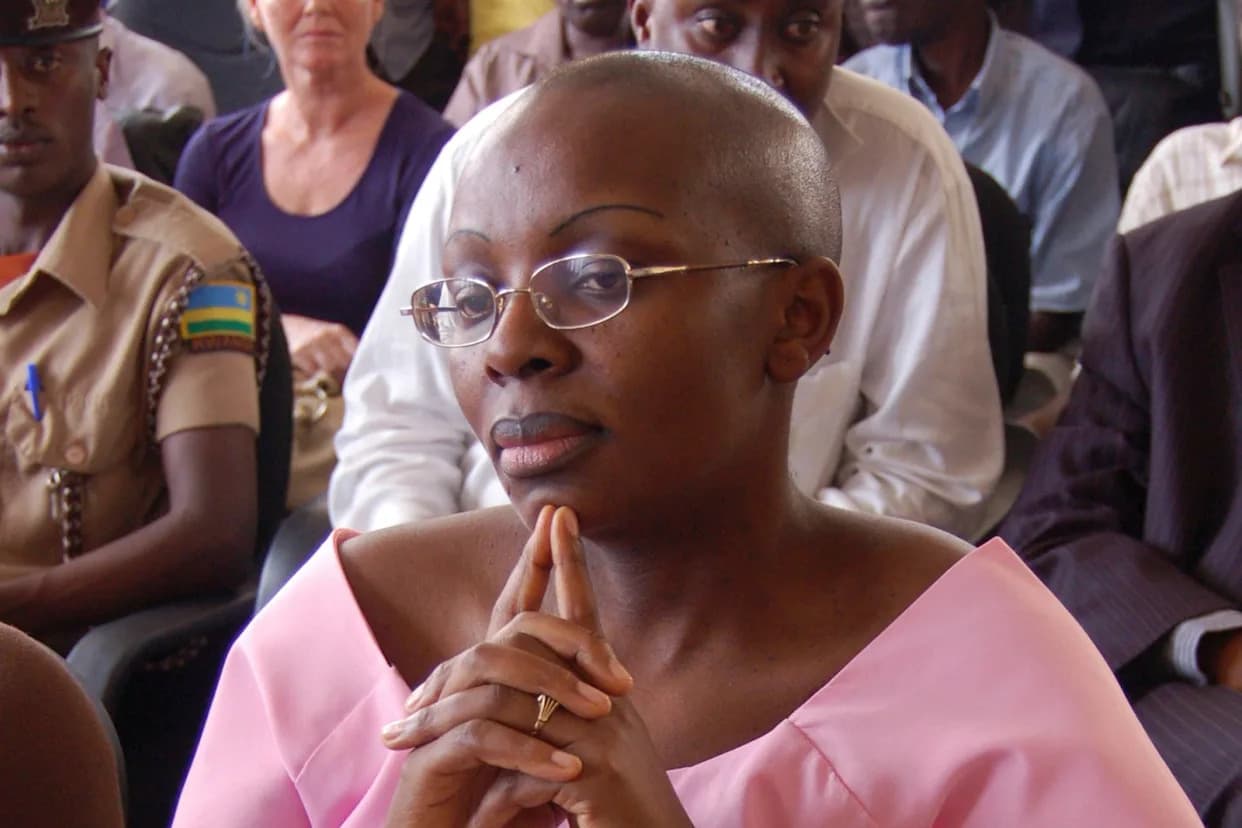
FILE - Rwandan opposition leader Victoire Ingabire listens to the judge during her trial Sept. 5, 2011, in Kigali, Rwanda. (AP Photo/Shant Fabricatorian, File)(AP Photo/Shant Fabricatorian)
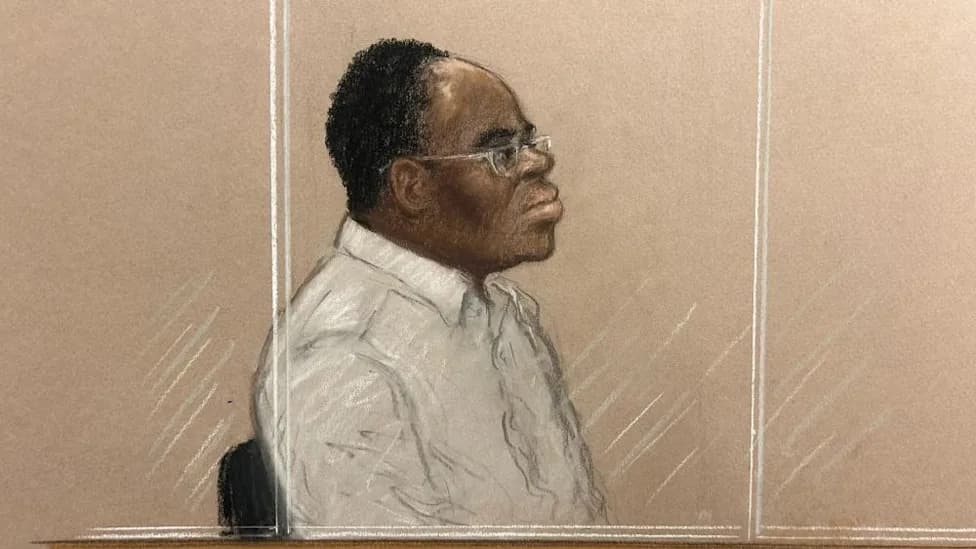
KIGALI, Rwanda (AP) — The trial of opposition leader Victoire Ingabire was delayed for one day after she told the High Court in Kigali that she was not physically or mentally prepared to begin proceedings following a year in detention.
Ingabire’s lawyers had informed prosecutors in advance that they would request a postponement. The presiding judge granted a one-day delay to allow for further review of her condition and preparation.
Allegations and Responses
Prosecutors accuse Ingabire of plotting unrest against President Paul Kagame’s government and say she maintained unlawful contact with nine other suspects, including members of the DALFA-Umurinzi group, an organization not recognized by the Rwandan government. If convicted, she could face many years in prison.
Ingabire rejects the charges as politically motivated and says they are designed to silence her pro-democracy movement. She also told the court that authorities had prevented her from speaking with family members abroad and from consulting with her co-defendants.
Political Background
A long-time critic of Kagame, Ingabire spent 16 years in exile in the Netherlands before returning to Rwanda in 2010 to pursue a political career. She was detained before she could run for president and was later convicted of conspiracy to undermine the government and of denying aspects of the 1994 genocide — charges she denies. Sentenced to 15 years, she was released in 2018 after receiving a presidential pardon.
The Rwandan government has been credited by many for maintaining relative peace and for programs aimed at healing ethnic divisions since 1994. At the same time, human rights groups and critics say the state has suppressed dissent, limited independent media and targeted opposition figures — allegations the government rejects.
Context: The brief postponement highlights ongoing tensions over political dissent and the rule of law in Rwanda as the country balances stability with criticism over restrictions on opposition activity.
Help us improve.