A new study of ground-squirrel coprolites from the Yukon finds that ancient squirrels ate plants, insects and scavenged megafauna including mammoths, bison and large cats. DNA from samples dated between about 700,000 and 17,000 years ago—reported 9 June in Nature Communications—includes roughly 20 complete mitochondrial genomes and potentially some of North America’s oldest mammoth DNA. The work reveals an unexpected Urocitellus lineage and highlights coprolites as a powerful, underused paleoecological archive.
Ancient Ground Squirrels Dug Up DNA That Shows They Feasted on Mammoths and Other Megafauna
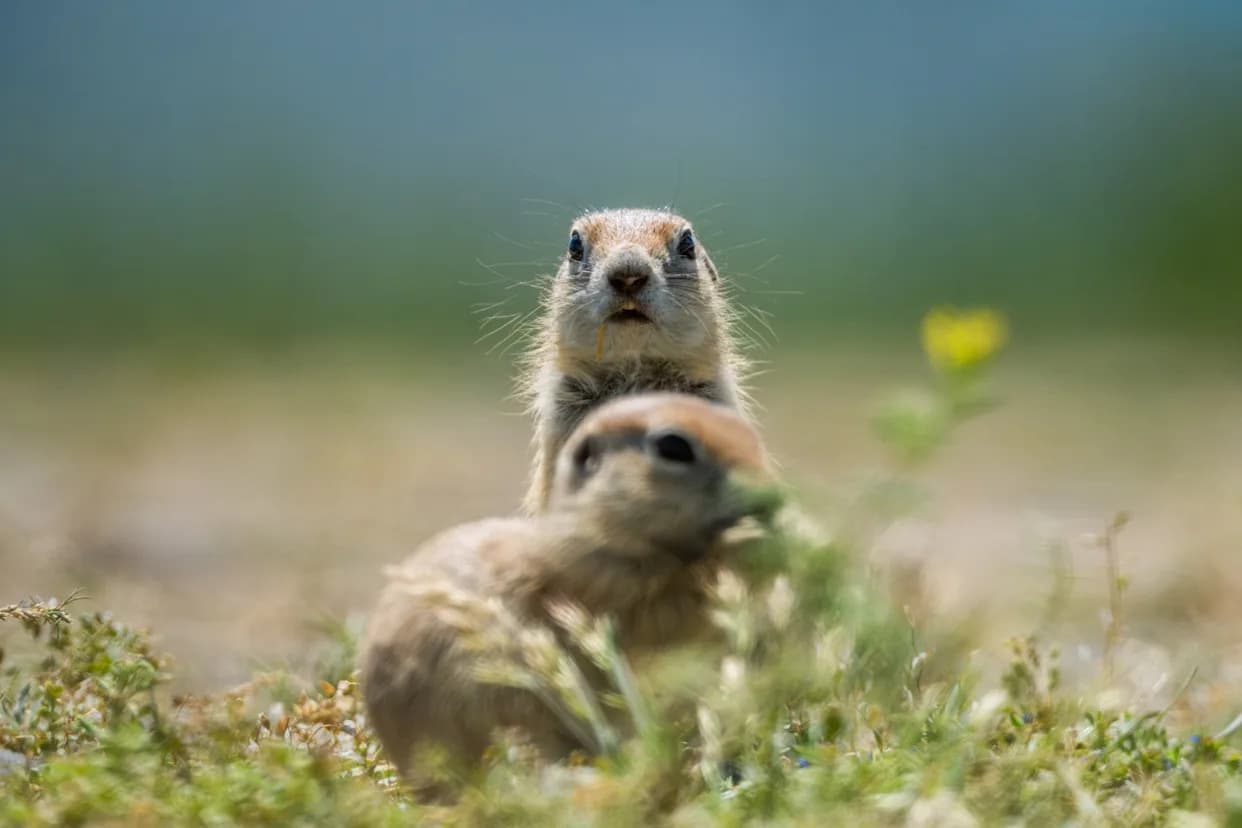
Ground squirrels go into a hibernation state called torpor for up to eight months.(Alaeddin Cogal/Anadolu via Getty Images)
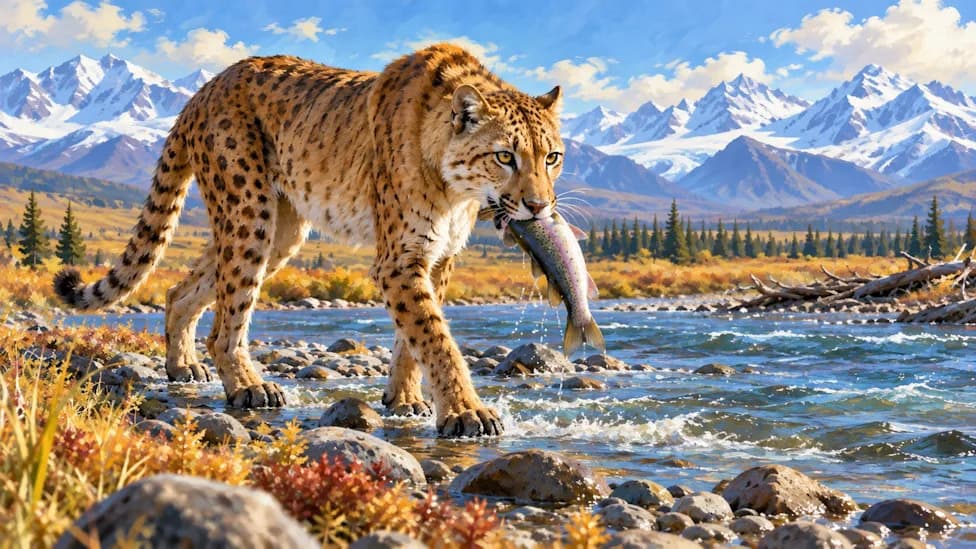
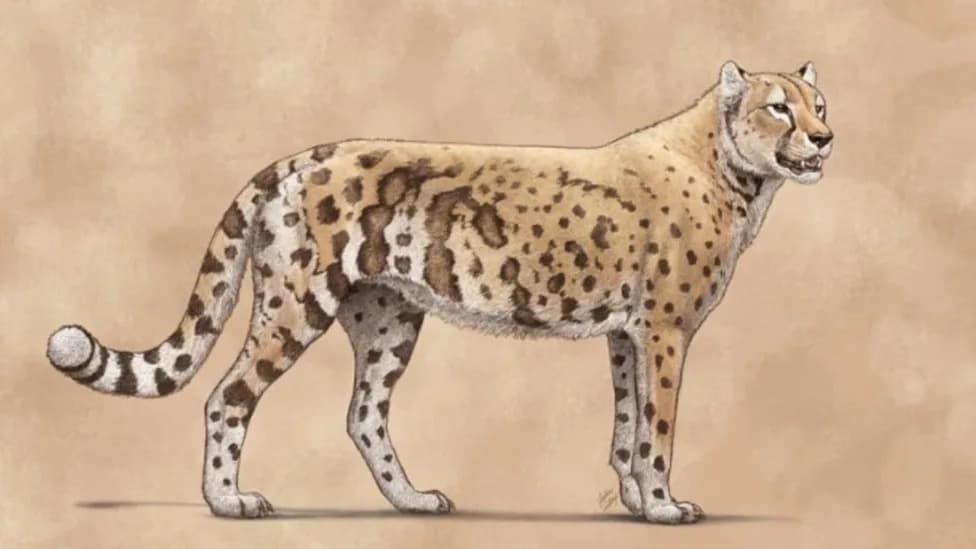
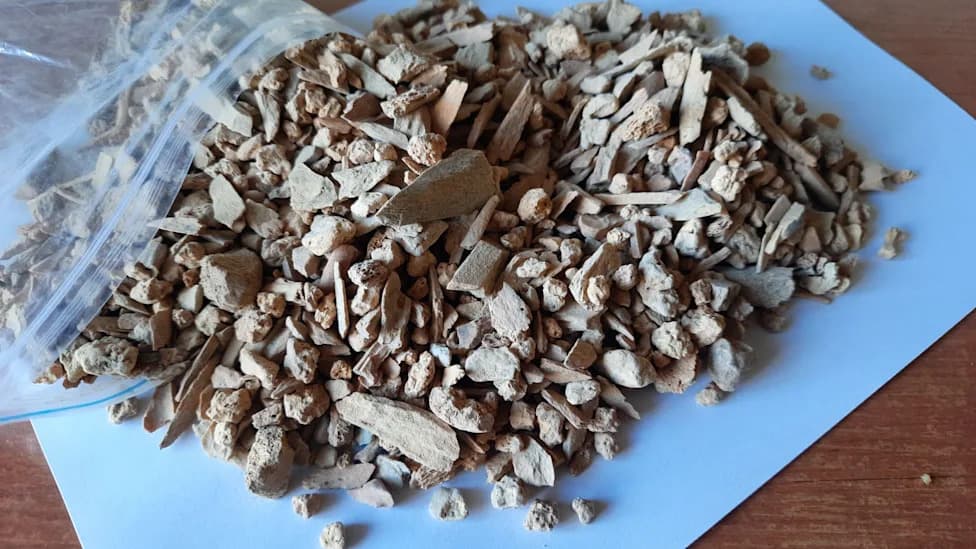
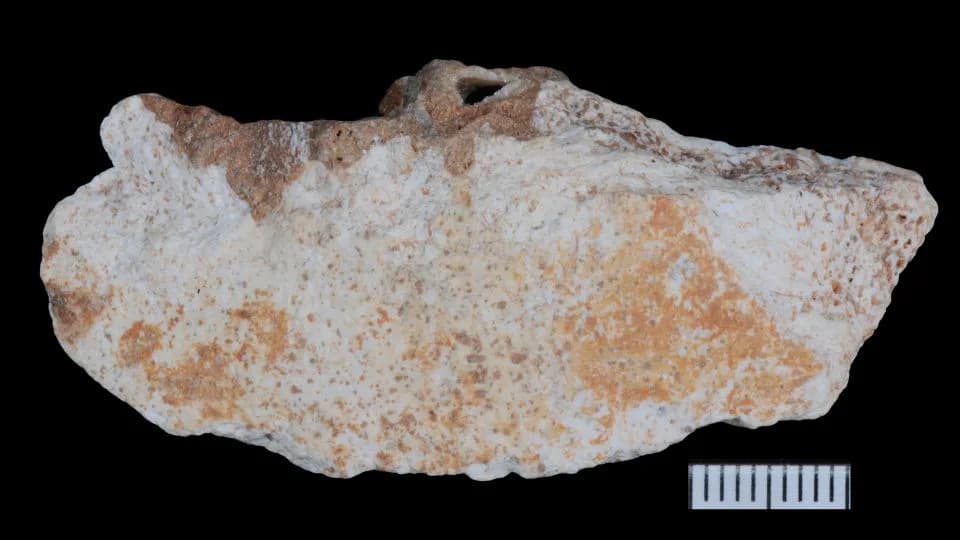
Ground squirrels that spend many months dormant in burrows emerged ravenous—and a new palaeogenomic study of coprolites (fossilized feces) from the Yukon reveals their ancient relatives ate a remarkably broad diet. DNA recovered from coprolites dated between roughly 700,000 and 17,000 years ago includes plant, insect and megafaunal sequences, suggesting these small mammals scavenged carcasses of woolly mammoths, bison and large cats after winter torpor.
Ancient DNA From a Surprising Source
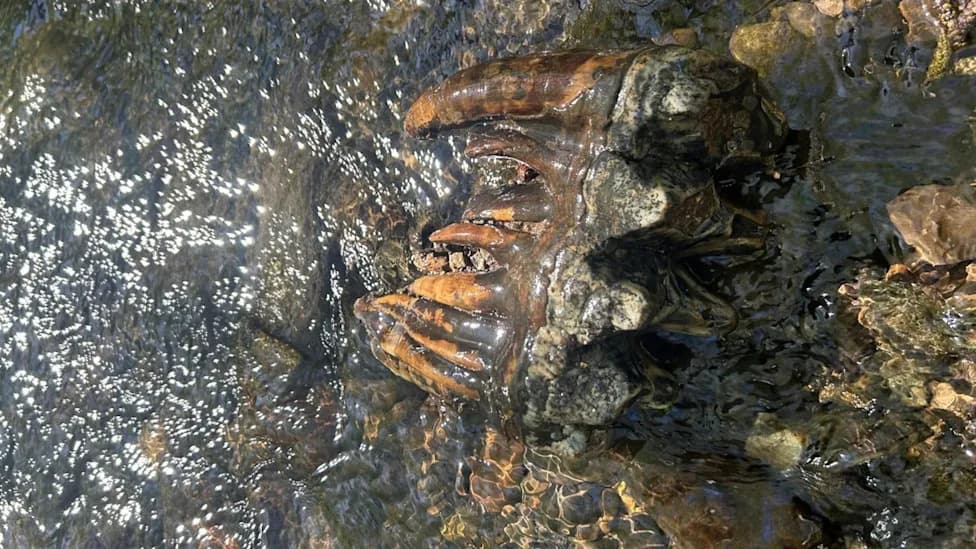
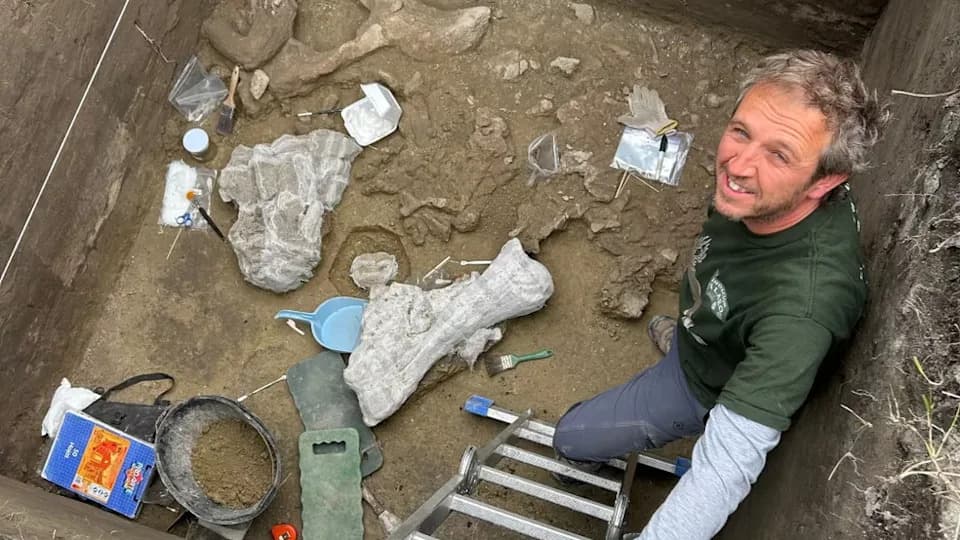
Published 9 June in Nature Communications, the study analyzed genetic material preserved in coprolites excavated from ground-squirrel burrows exposed by placer gold-mining in the Klondike region of Canada’s Yukon Territory. The team recovered mitochondrial DNA—including about 20 complete mitochondrial genomes—attributing sequences to megafauna, a diverse range of vertebrates and invertebrates, parasitic worms, and plants such as grasses and sedges.
Potentially Among North America’s Oldest Mammoth DNA
The oldest coprolites were constrained by volcanic-ash layers directly above the samples. If those age estimates hold, some sequences (~700,000 years old) could be among the oldest genetic records for mammoths and other Pleistocene organisms in North America. Peer reviewer Mikkel Pedersen describes the material as an "ice-age cast" that preserves a snapshot of past ecosystems.
A New Squirrel Lineage—and "Pleistocene Zombies"
Surprising taxonomic results emerged: specimens originally identified as the Arctic ground squirrel (Urocitellus parryii) instead belonged to an unexpected lineage related to the long-tailed ground squirrel (Urocitellus undulatus), a species now found across parts of Siberia and Central Asia. Researchers note that when these ground squirrels emerged from torpor they would have been highly motivated to seek protein, scavenging carcasses and thus incorporating megafaunal DNA into their feces—hence the evocative description of them as "zombies of the Pleistocene."
“You can imagine these squirrels emerging from the ground, starting to feed on carcasses scattered in the environment,” says Mikkel Pedersen, molecular palaeoecologist at the University of Copenhagen.
Implications and Next Steps
Lead author Tyler Murchie and colleagues argue that ground-squirrel coprolites represent an untapped paleoecological archive that complements bones and sediment for reconstructing ancient ecosystems. A forthcoming paper focused on the mammoth sequences promises further insights. Researchers also emphasize the value of searching for coprolites beyond permafrost regions to broaden geographic and temporal coverage.
Context and Cautions: While the volcanic-ash dating strengthens the age estimates, absolute ages for ancient DNA recoveries remain subject to rigorous validation. The mammoth sequences and the 700,000-year estimates are notable but will be further examined in additional analyses and follow-up publications.
This article is reproduced with permission and was first published on June 9, 2026.
Help us improve.