A previously unknown yak-related bovine lineage has been identified from 20 ancient genomes recovered in Denisova Cave and the Altai–Sayan region. The lineage began diverging from yak ancestors around 400,000 years ago and became genetically distinct by about 250,000 years ago. The youngest genetic evidence is ~27,000 years old; the species likely went extinct sometime after that. Researchers found no signs of interbreeding with local bovines and will compare genomes with fossil material before proposing a formal taxonomic name.
Ice-Age Yak Relative Discovered at Denisova Cave — New Bovine Lineage Identified
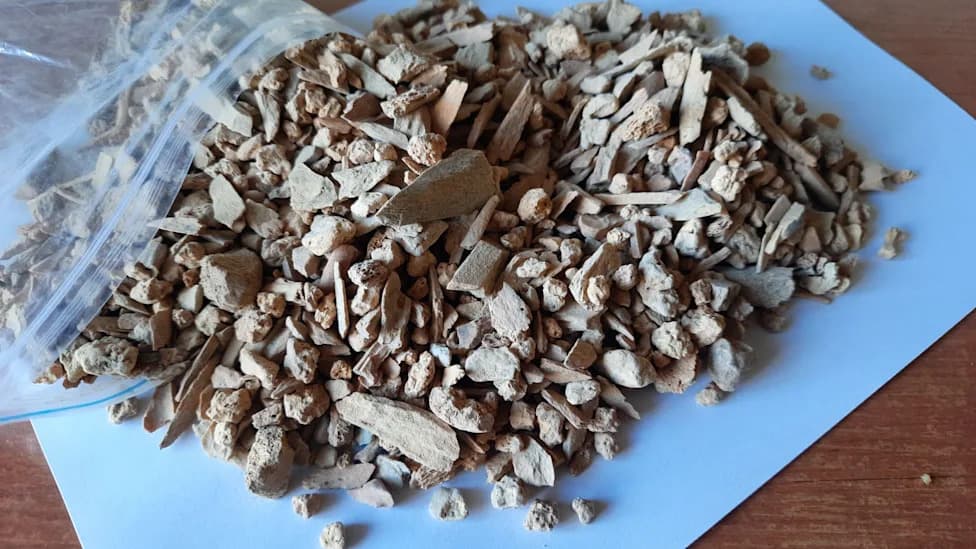
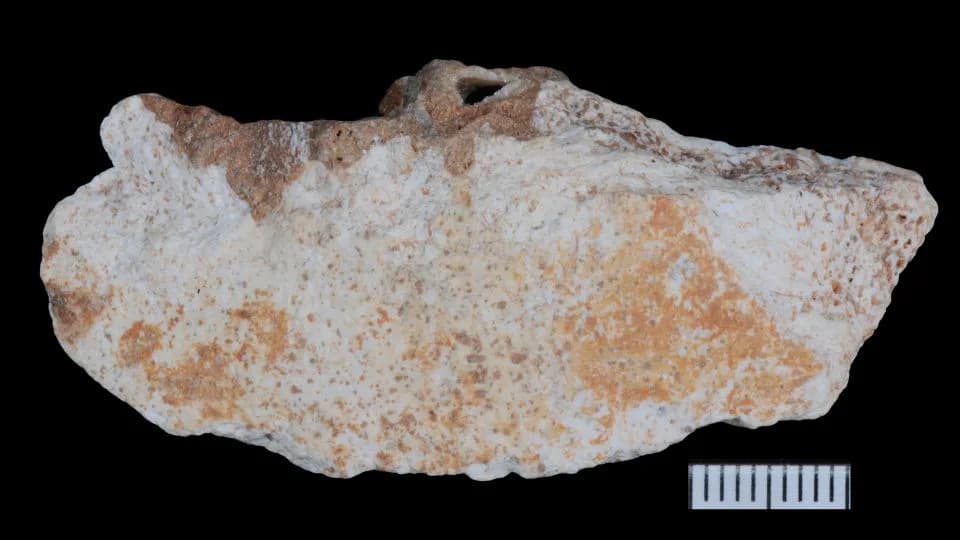
The bone fragments used to extract DNA from these new bovine pieces.
Researchers excavating Denisova Cave and nearby sites in the Altai–Sayan region of southern Siberia have identified a previously unknown bovine lineage closely related to modern yaks. By reconstructing 20 ancient genomes from fragmented bones spanning roughly 200,000 years, the international team found genetic evidence for a distinct species that likely persisted until at least about 27,000 years ago.
Genomic Evidence and Timeline
The team generated 20 genomes from tiny bone fragments and compared them with genomes of modern and ancient bovines. Their analyses indicate this lineage began diverging from the ancestors of present-day yaks around 400,000 years ago and was fully genetically separated by about 250,000 years ago. The youngest specimen in the dataset dates to roughly 27,000 years ago, indicating the species survived into the Last Glacial Maximum before disappearing from the genetic record.
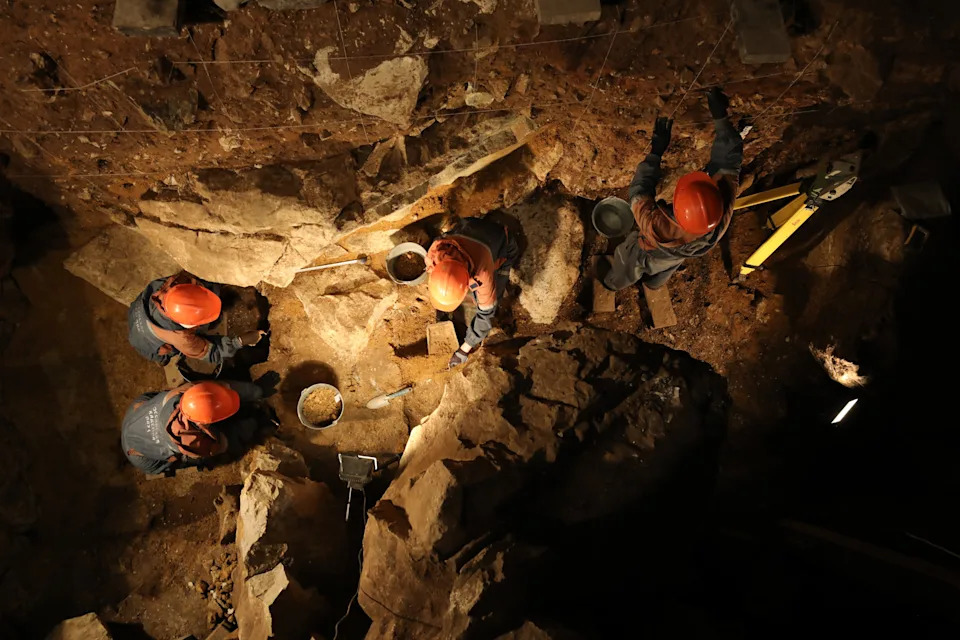
Excavations in the South Chamber of Denisova Cave in 2020.Image: IAET SB RAS.
Climate, Isolation, and Population Change
Co-author Alexandre Gilardet noted that the estimated origin of this lineage overlaps with a pronounced warm interval: "A useful comparison for when this lineage originated is the divergence between brown bears and polar bears, which has also been estimated to have occurred around 400,000 years ago. This age overlaps with a particularly strong warm climatic period, which could have prompted population isolation and, ultimately, speciation."
The researchers found no genetic signal of interbreeding between this yak-relative and other bovines that lived in the region, such as steppe bison or aurochs. Instead, their data suggest a population turnover during the last interglacial warm period (roughly 130,000–115,000 years ago), accompanied by a reduction in genetic diversity — a pattern consistent with climate-driven range shifts and local replacements.
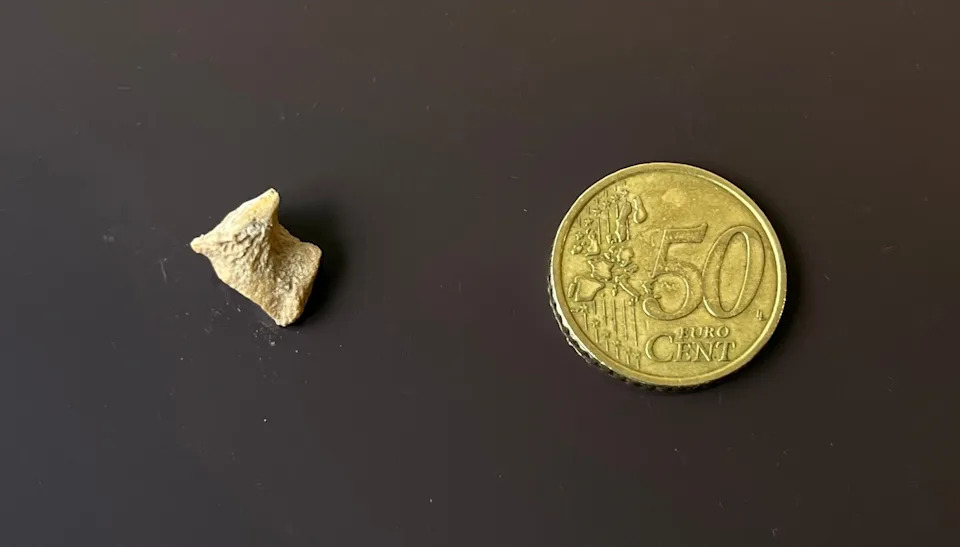
One of the bone fragments that resulted in a genome, shown to scale next to a 50 cent Euro coin, at the Centre for Palaeogenetics in Stockholm, Sweden.Image: Dr Mário Vicente.
Context And Next Steps
Denisova Cave has produced several high-profile discoveries, most famously the Denisovan hominins identified in 2010 from a single bone fragment. Love Dalén, a study co-author and paleogeneticist, said the new bovine find "highlights the Altai region as a possible biodiversity hotspot and refugium across Ice Ages."
Although the genetic data make a strong case for a distinct lineage, genetics alone are not sufficient for a formal species name. The team plans to compare the genomes with previously described yak-like fossils from the region to determine whether the remains represent the same taxon and to support any formal taxonomic description.
"This could reflect the genetic consequences of climate warming around 120,000 years ago on a cold-adapted species," said Jonas Oppenheimer, a study co-author and paleogeneticist. "The long time span of our dataset is really rare in ancient DNA, and allows us to look across whole glacial cycles to see how they might have impacted biodiversity."
Help us improve.