Bianfu Cave in Yunnan yielded seven Denisovan fossils — four teeth, a partial radius and two skull fragments — plus stone and bone tools, pollen and abundant animal bones. Fossils date to about 167,000–134,000 years ago, while stone tools in multiple layers suggest site use from roughly 190,000 to 70,000 years ago. Protein (amino acid) evidence from two molars and three bones indicates a Denisovan origin despite the absence of recoverable ancient DNA. The finds mark the first clear association of Denisovan remains and cultural material in southern China and expand the group’s known ecological range.
Seven Denisovan Fossils Unearthed in Yunnan Cave Reveal New Clues About Their Lives
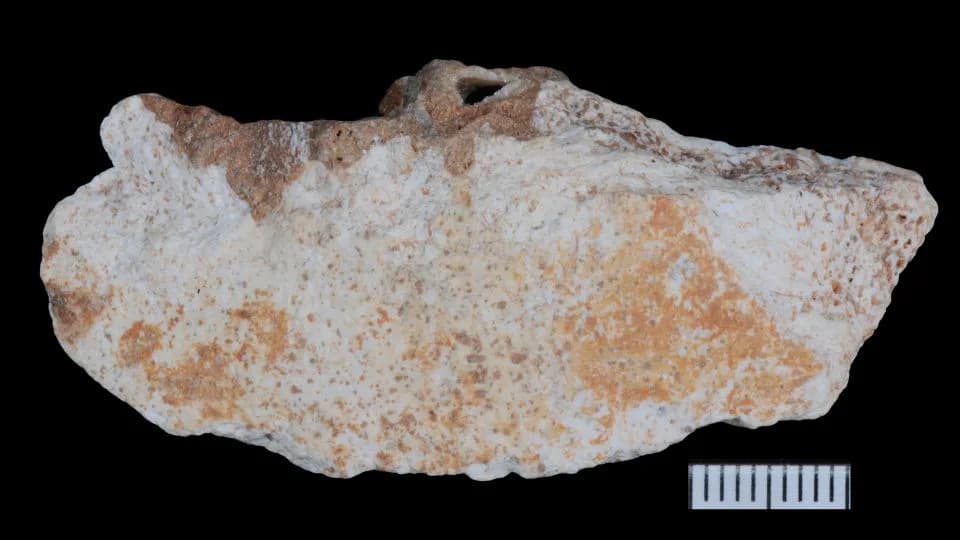
A skull fragment unearthed from Bianfu Cave in southwestern China. - Song Xing
Archaeologists working at Bianfu Cave in Yunnan province, southwestern China, have uncovered seven fossils and a rich assemblage of cultural material that shed new light on the enigmatic Denisovans. The haul — four teeth, part of an arm bone (a radius), and two skull fragments — increases the number of known Denisovan specimens to more than 20 and provides an unusually clear association between hominin remains and artifacts in southern China.
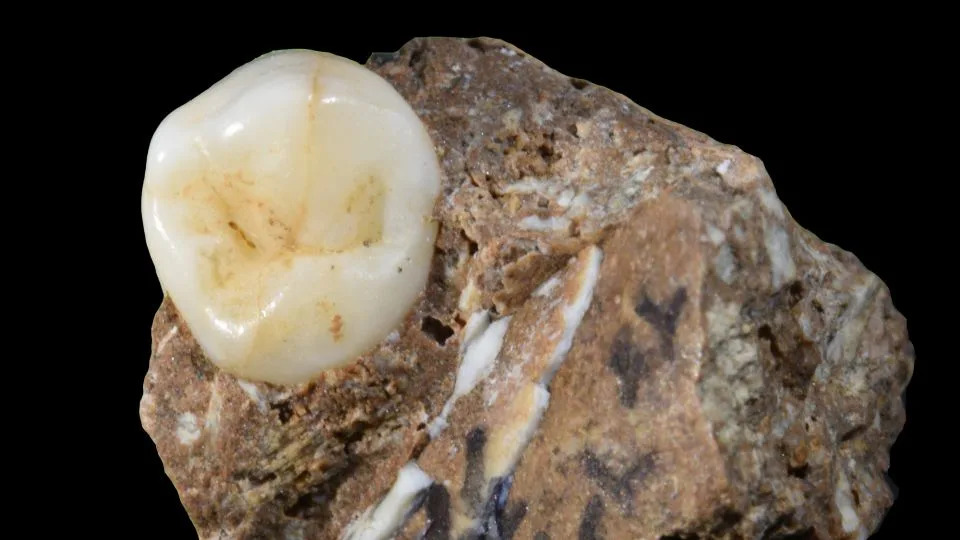
Scientists extracted ancient proteins from two molars found in the cave. - Song Xing
What Was Found
The excavation produced:
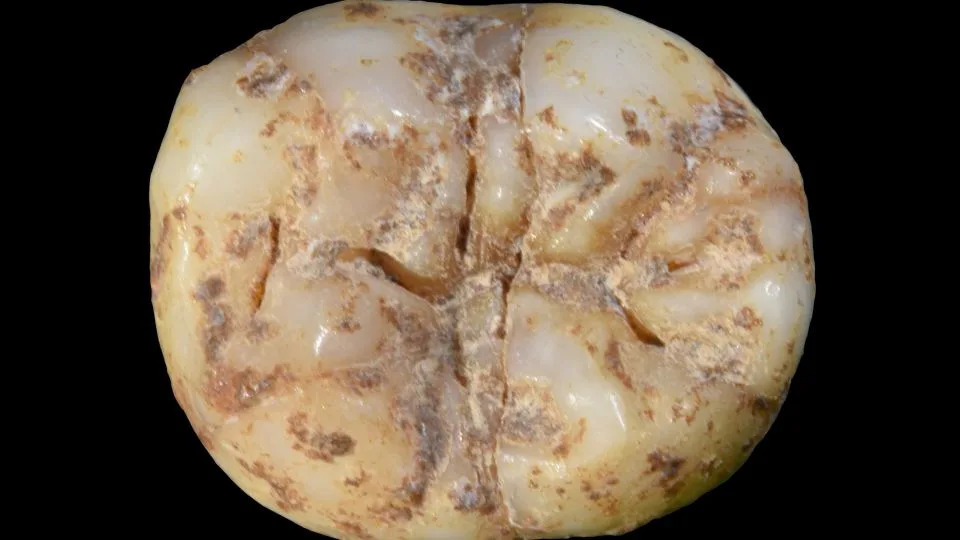
Denisovan teeth have grooves and crests that are unique to the species. - Song Xing
- Four teeth, two of which yielded protein data and two identified by morphology;
- A partial radius — the first Denisovan arm bone reported — and two skull fragments;
- Stone and bone tools, fossilized pollen, and abundant animal bones from forest-dwelling species.
Dating and Biomolecular Evidence
Human fossils were recovered from two sediment layers dated between roughly 167,000 and 134,000 years ago. Stone tools appear in multiple layers that span a broader interval, suggesting episodic site use from about 190,000 to 70,000 years ago. Ancient DNA was not preserved in the fossils, likely because of their age and the relatively warm Yunnan climate. However, researchers recovered amino acid variants from two molars and three bone fragments; these protein signatures are consistent with a Denisovan origin. Two additional teeth, too fragile for sampling, were attributed to Denisovans on morphological grounds.
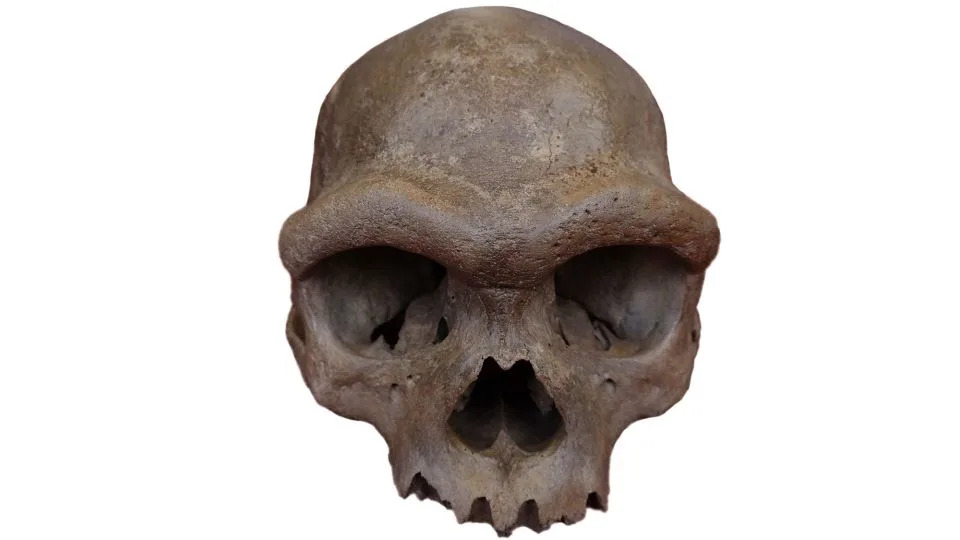
Genetic material from a strikingskull stashed from a wellin northeastern China has put a face on the Denisovans. - Hebei GEO University
Tools, Hunting, and Daily Life
Zooarchaeological analysis shows marks consistent with butchery and marrow extraction on large forest mammals such as water buffalo, a bison-like gaur, and red and sika deer. The stone and bone tools are described as an "expedient technology" — not highly formalized but flexible and effective for hunting and processing prey. Together, the material culture and faunal remains paint a picture of Denisovans who hunted large game and processed carcasses at the cave.
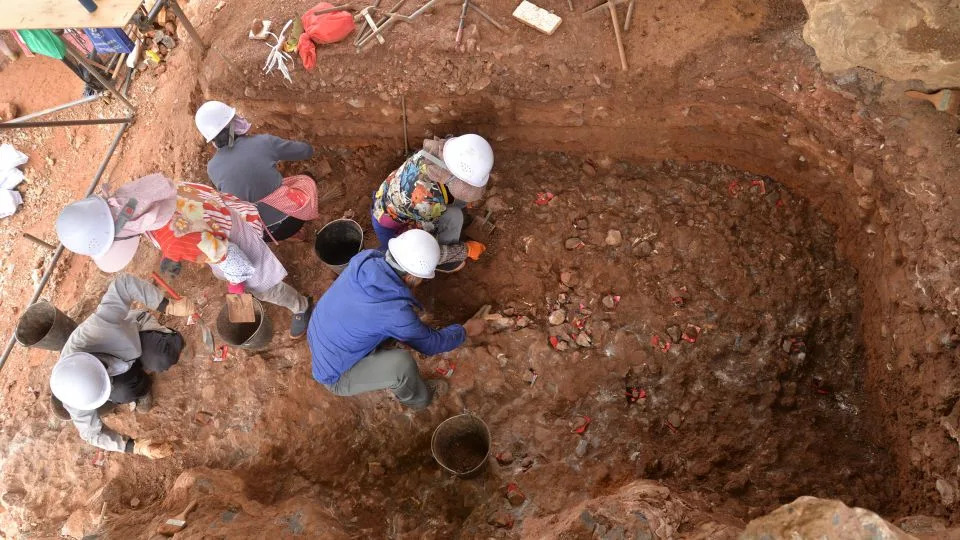
The excavation at Bianfu Cave in Yunnan province, southwestern China. - Qijun Ruan
Anatomical Clues
The partial radius, although fragmentary, is relatively short — a trait shared with Neanderthals — and its biceps insertion suggests mechanical features that may have favored elbow flexion, hinting at aspects of Denisovan upper-limb function. While the new bones add valuable anatomical data, much about Denisovan appearance remains uncertain because the overall fossil record is still sparse.
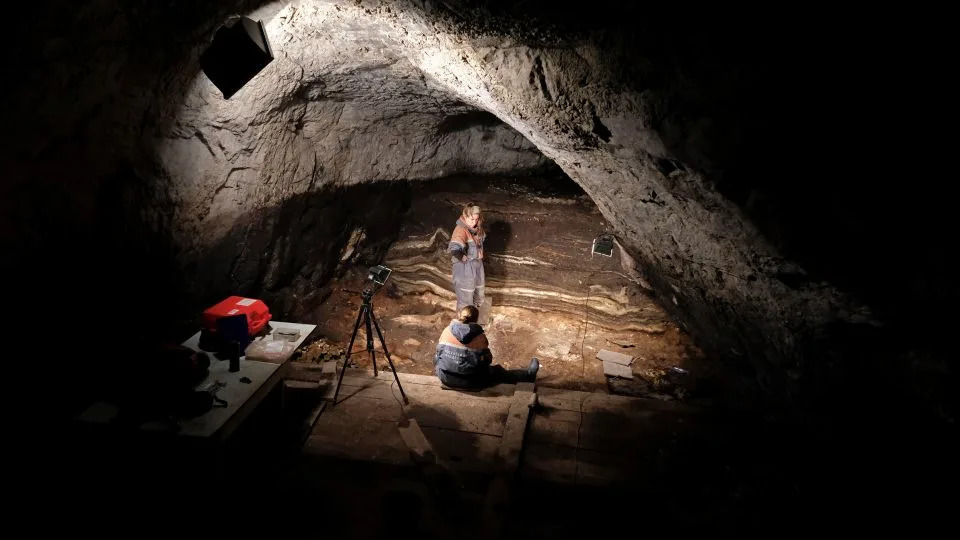
Denisova Cave in Siberia, where the remains of Denisovans, Neanderthals and Homo sapiens have been found. - Eddie Gerald/Alamy Stock Photo
Why Bianfu Matters
Bianfu Cave is significant because it appears to record sustained occupation by Denisovans in a subtropical, forested environment — extending confirmed Denisovan presence beyond Siberia and the high Tibetan Plateau into southern China. The site provides one of the first direct links between Denisovan fossils and cultural remains in the region, improving the context for interpreting Denisovan behavior, technology, and ecology.
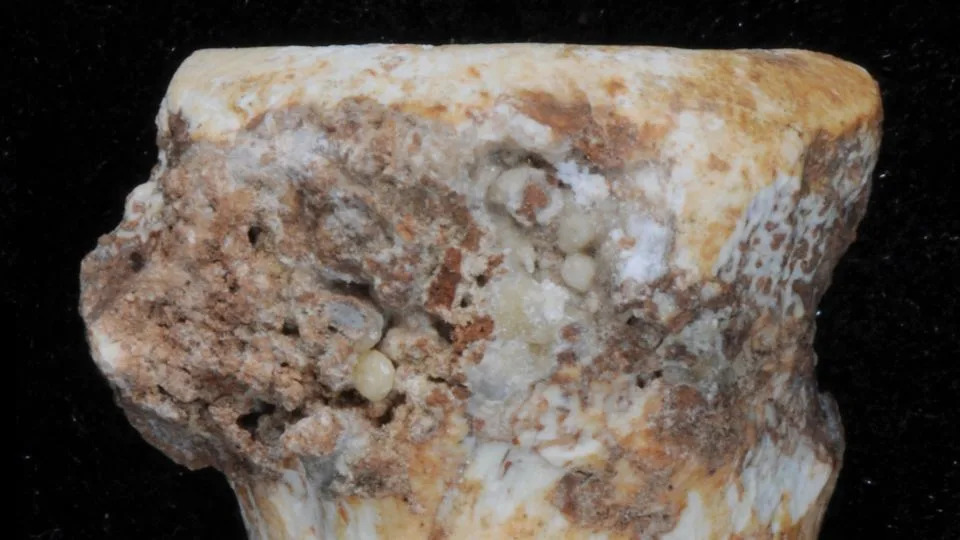
The radius found in the cave is the first known Denisovan arm bone. - Song Xing
Next Steps
Researchers plan further analyses, including attempts to recover hominin DNA from cave sediments, more detailed functional study of the tools and arm fragment, and continued excavation of the rich deposits. These follow-ups aim to clarify the occupants' identity, refine the site's chronology, and better understand how Denisovans lived across diverse Asian environments.
Comments from researchers: Hao Li noted the rarity of a site with direct fossil-artifact associations in southern China, while Qiaomei Fu emphasized that proteins can persist when DNA does not. External experts highlighted the site's value in filling geographic and behavioral gaps in Denisovan research.
Note: Some broader context links these finds to other discoveries attributed to Denisovans — including DNA from a tiny finger bone in Siberia and recent work on a skull ("Dragon Man") reported in 2025 that some researchers have associated with Denisovans.
Help us improve.