California health officials confirmed an April diagnosis of Rickettsia lanei, a rare tick-borne bacterium, marking the fourth recorded human case worldwide. The patient was hospitalized and later released; specific symptoms were not disclosed. First found in rabbit ticks in Sonoma County in 2018, R. lanei was linked to a severe 2023 Bay Area case that required 22 days in hospital and doxycycline treatment. Scientists have detected infected ticks along the California coast while investigators study how the bacterium spreads.
Extremely Rare Tick-Borne Bacterium Detected in California Resident — Fourth Human Case Worldwide
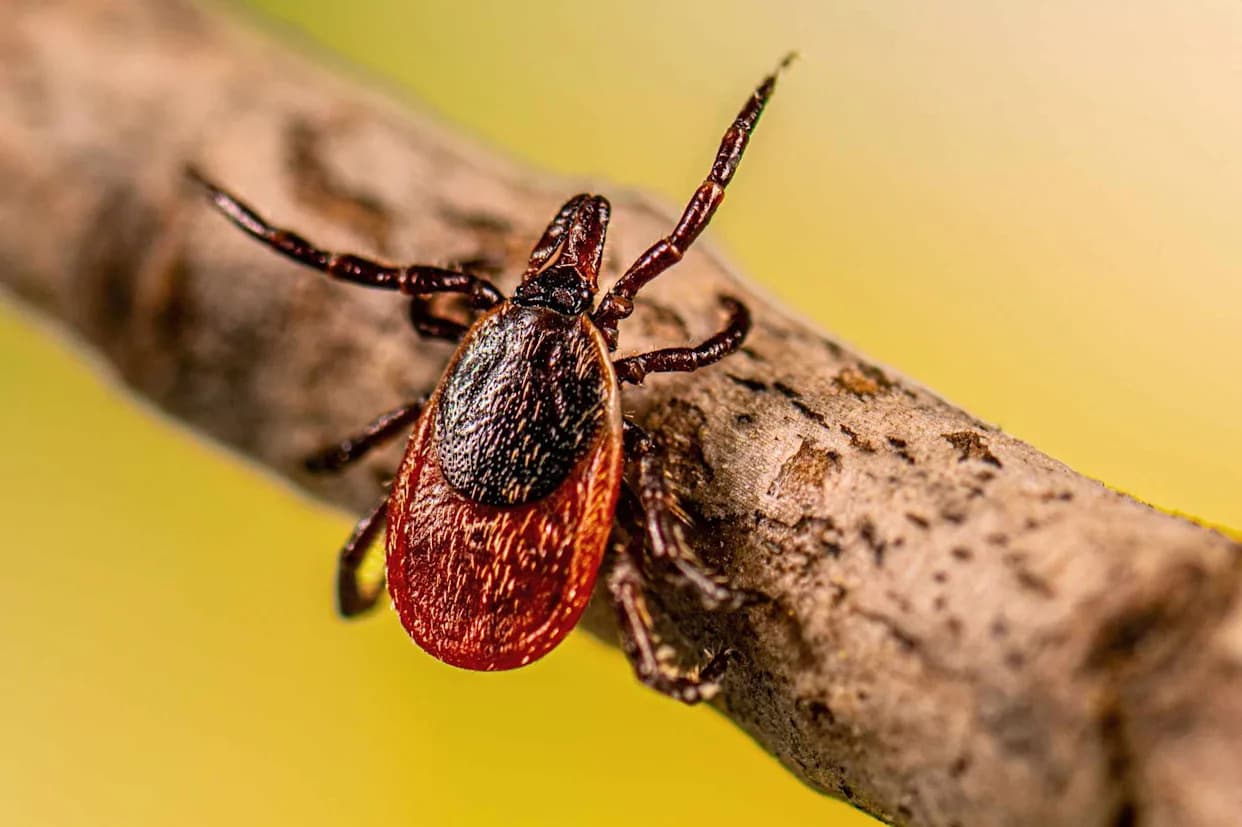
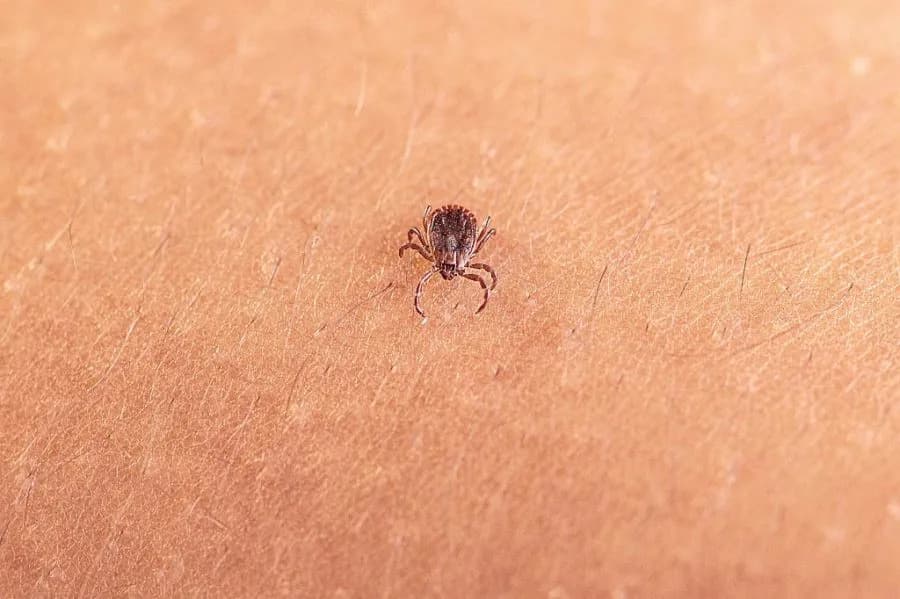
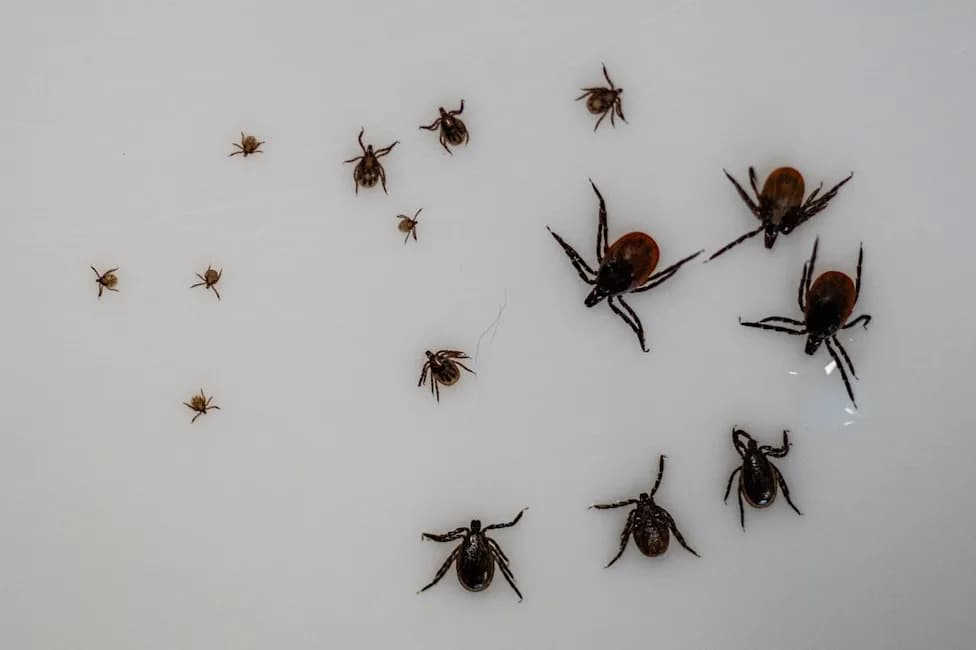
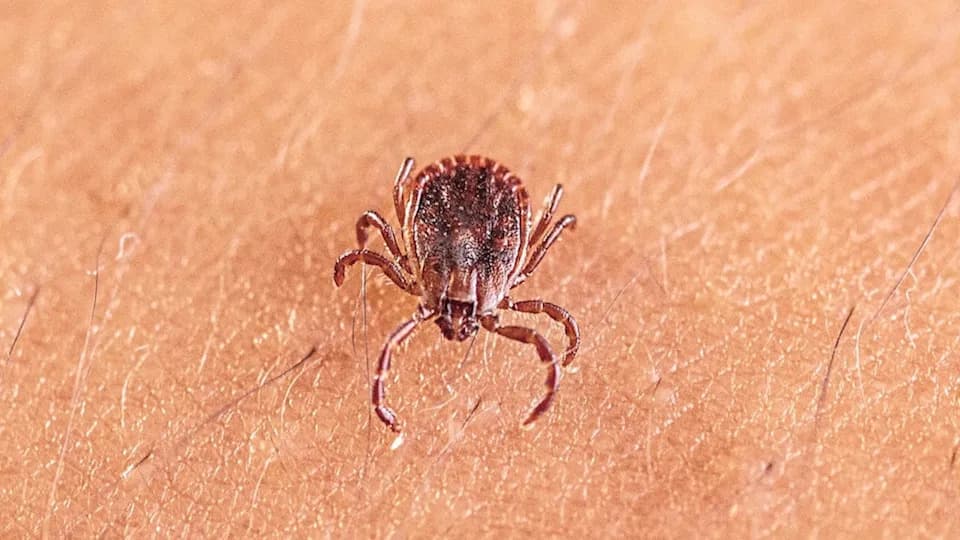
Blacklegged tick (stock image)Credit: Smith Collection/Gado/Getty
California public health officials confirmed that a resident diagnosed in April was infected with Rickettsia lanei, an extremely rare tick-borne bacterium. The case is only the fourth known human infection worldwide.
Case Details
The California Department of Public Health (CDPH) told SFGate that the patient — likely exposed in Northern California — was hospitalized after the diagnosis and later discharged. Officials have not released specific details about the patient’s symptoms or underlying health status, and CDPH did not immediately respond to additional information requests.
What Is Rickettsia lanei?
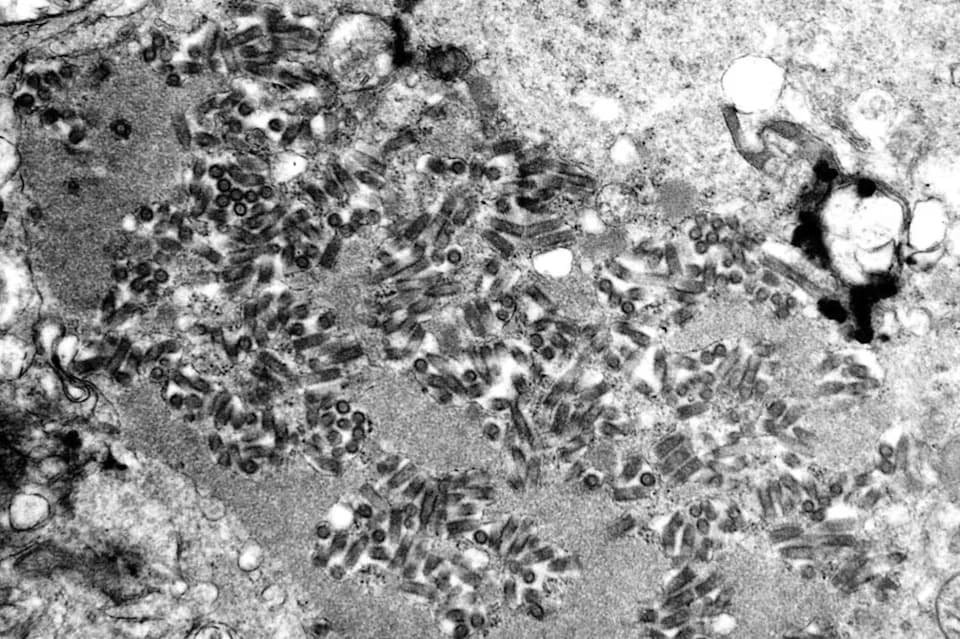
Rickettsia lanei was first identified in rabbit ticks collected in Sonoma County in 2018 and named for UC Berkeley professor Robert Lane. Until recently it had been detected only in ticks, but researchers reported in 2023 that humans can become infected.

Sonoma Coast in California (stock image)Credit: Myung J. Chun / Los Angeles Times via Getty
Prior Human Case And Severity
The 2023 Bay Area case involved a man who arrived at an emergency department with a fever-like illness. Over several days he developed severe complications, including seizures and low oxygen levels. Clinicians suspected a rickettsial infection or spotted fever and treated him with doxycycline; he spent 22 days hospitalized before recovery. That case demonstrated that human infections can be serious and require prompt recognition and treatment.
“There’s so much we don’t know,” said Anne Kjemtrup, a research scientist and veterinarian with CDPH, noting investigators are still working to understand how Rickettsia lanei spreads and affects people.
Where Ticks Have Been Found
Scientists have detected ticks carrying Rickettsia lanei at several locations along the California coast this year, including Contra Costa County, which is linked to the first known human case associated with the bacterium.
How To Reduce Tick-Borne Risk
Health officials reiterate standard precautions to lower the risk of tick-borne illness, especially during warm months:
- Be cautious in grassy, brushy or wooded areas and walk in the center of trails to avoid contact with vegetation.
- Use an EPA-registered insect repellent (applied after sunscreen) and wear long sleeves and pants when possible.
- Check your body, clothing and gear for ticks after being outdoors; showering soon after returning inside can help remove ticks.
- Remove attached ticks promptly and properly; consult a healthcare provider if you develop fever, rash or other concerning symptoms.
Investigators continue to study the bacterium’s transmission, geographic distribution and clinical effects in humans. Until more is known, awareness and prevention remain the best tools to limit risk.
Help us improve.