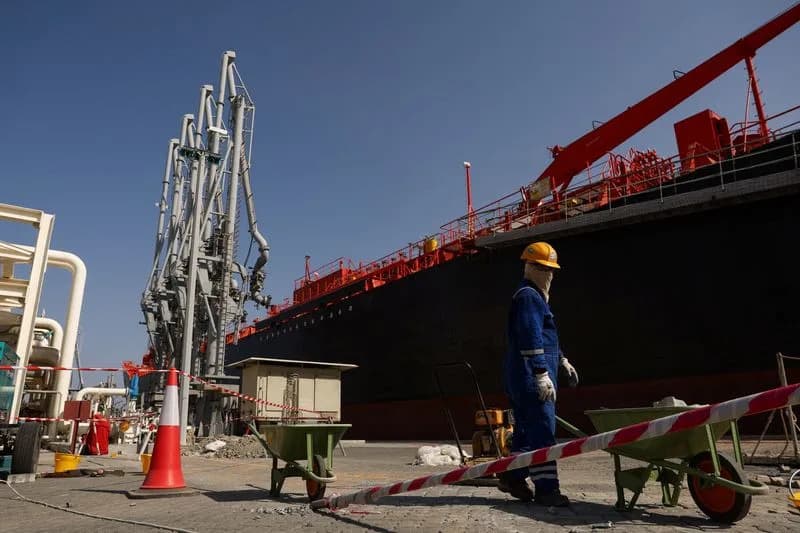
According to a Washington Post investigation, Qatar allegedly offered Iran a covert deal to halt gas output at the Ras Laffan complex in exchange for assurances against strikes on Qatari energy sites. The proposal was reportedly intended to raise global energy prices and pressure international actors to help end the wider conflict. Qatar denies any coordination with Iran, saying the plant was closed for safety reasons. Iranian missile strikes nonetheless damaged the facility in March, and officials warn repairs could take years.
Report: Qatar Offered Iran a 'Secret Deal' to Deter Strikes on Ras Laffan Energy Complex
A Qatar flag in front of the Doha skyline on September 20, 2025. (photo credit: XRONX X LIFE/Shutterstock)
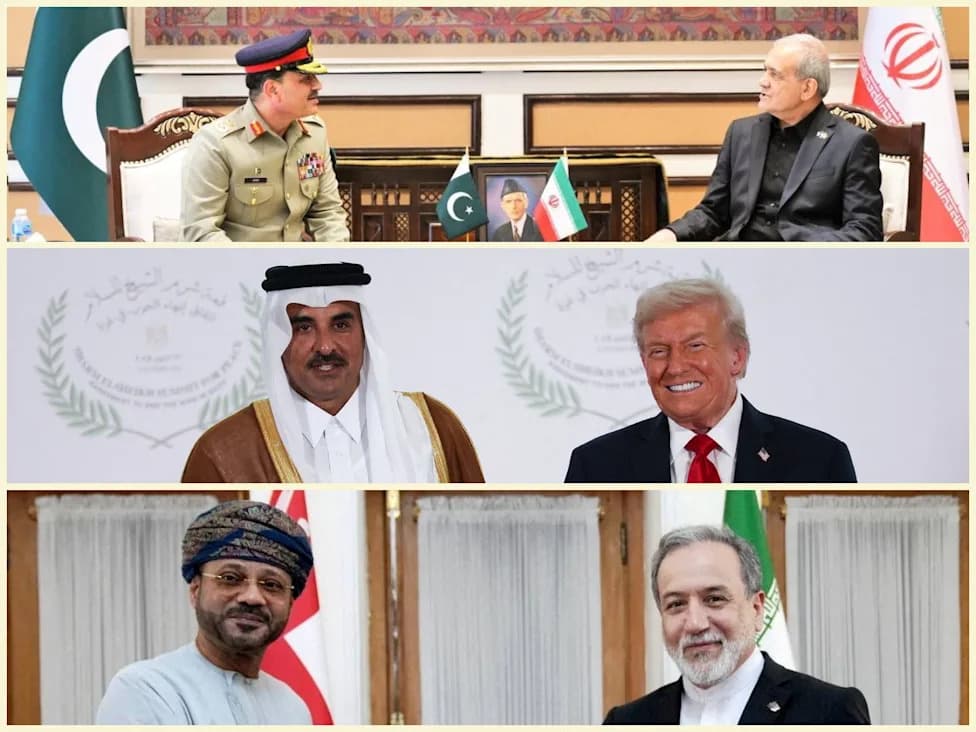
According to a Washington Post investigation citing Middle Eastern and Western officials, Qatar privately proposed a covert arrangement to Iran intended to prevent attacks on Qatari energy facilities.
What Was Reported
The report says Doha offered to pause gas production at the Ras Laffan gas complex in exchange for Iran’s pledge not to target Qatari energy infrastructure. Officials quoted by the newspaper said the proposal aimed to protect Ras Laffan and to push global energy prices higher, thereby increasing international pressure—particularly on the United States and Israel—to help end the broader conflict.
“You will achieve your objectives without striking us,” one official said was the core message Doha reportedly conveyed to Iranian interlocutors.
Intelligence reportedly derived from intercepted communications between unnamed Iranian officials was cited as the basis for the claim that Qatar sought to avoid damage that could take years to repair. The Washington Post reported that Ras Laffan was struck by an Iranian missile in March, producing substantial damage to the facility, and that a second attack on Qatari energy infrastructure took place later in March.
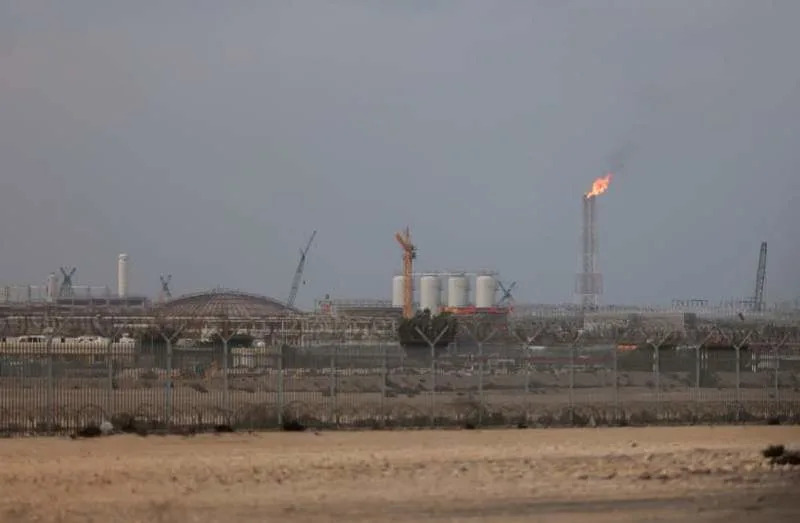
A picture of Qatar Energy's operating facilities on March 3, 2026 in Ras Laffan Industrial City, Qatar. (credit: GETTY IMAGES)
Qatar's Response
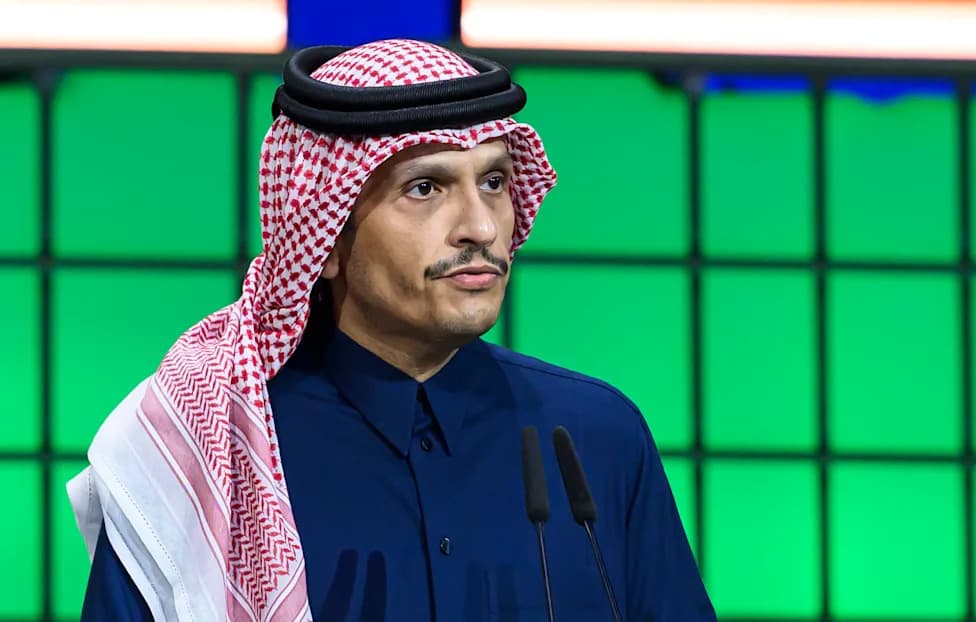
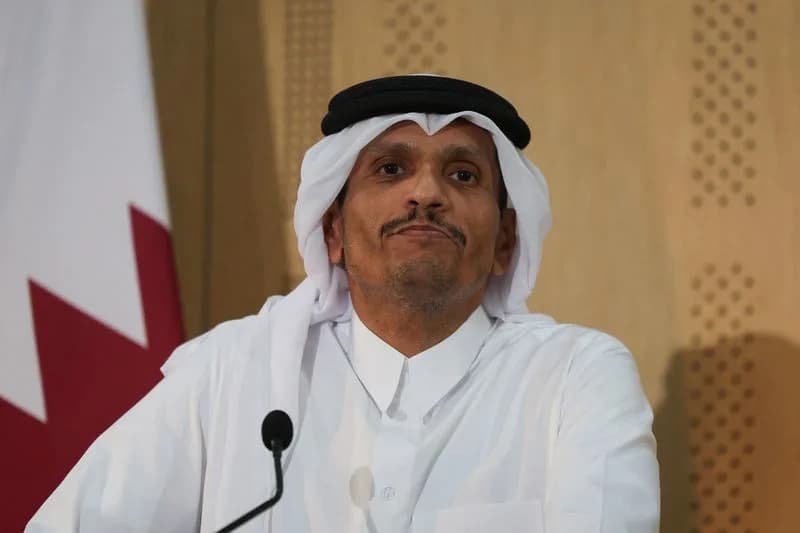
Qatar denied the existence of any such deal. The country’s International Media Office told the Washington Post that the closure of the plant was driven solely by security and safety concerns and called any suggestion of operational coordination with Iran "categorically false." Doha characterized the report as an attempt to sabotage mediation efforts and damage Qatar’s reputation and its strategic partnerships.
“Any suggestion that operational decisions relating to energy production were, or have ever been, made in coordination with Iran... is categorically false,” the media office said, adding the report could undermine ongoing mediation efforts.
One Qatari official told the newspaper Doha had urged Iran not to attack in general but reiterated that no negotiation to trade production suspensions for non‑attack assurances took place, saying such an arrangement would set "a very dangerous precedent." Former US Ambassador to Qatar Timmy Davis described Qatar’s posture since the outbreak of the Israel‑Hamas war as being in "survival mode."
Impact and Outlook
Qatar’s Energy Minister, Saad Sherida al‑Kaabi, described the strikes as an attack "on global energy security and stability," and warned that repairs at Ras Laffan could take "three to five years." The dispute over whether Qatar offered a covert deal remains contested: the Washington Post cites intelligence and anonymous officials, while Qatari authorities deny any such coordination with Iran.
Help us improve.