Vivek Ramaswamy, the GOP nominee for Ohio governor, is campaigning as a champion of the American dream, but his race (Indian American), religion (Hindu) and elite Ivy League and billionaire background complicate his appeal in largely white, two-thirds-Christian Ohio. Although some unions and regional leaders back him, voters in Appalachia and rural areas remain wary that his message may be out of touch with working-class realities. The November race against Democrat Amy Acton will test whether Ramaswamy’s economic promises can overcome identity concerns.
Can Vivek Ramaswamy’s Promise Of The American Dream Win Over White Christian Voters In Ohio?
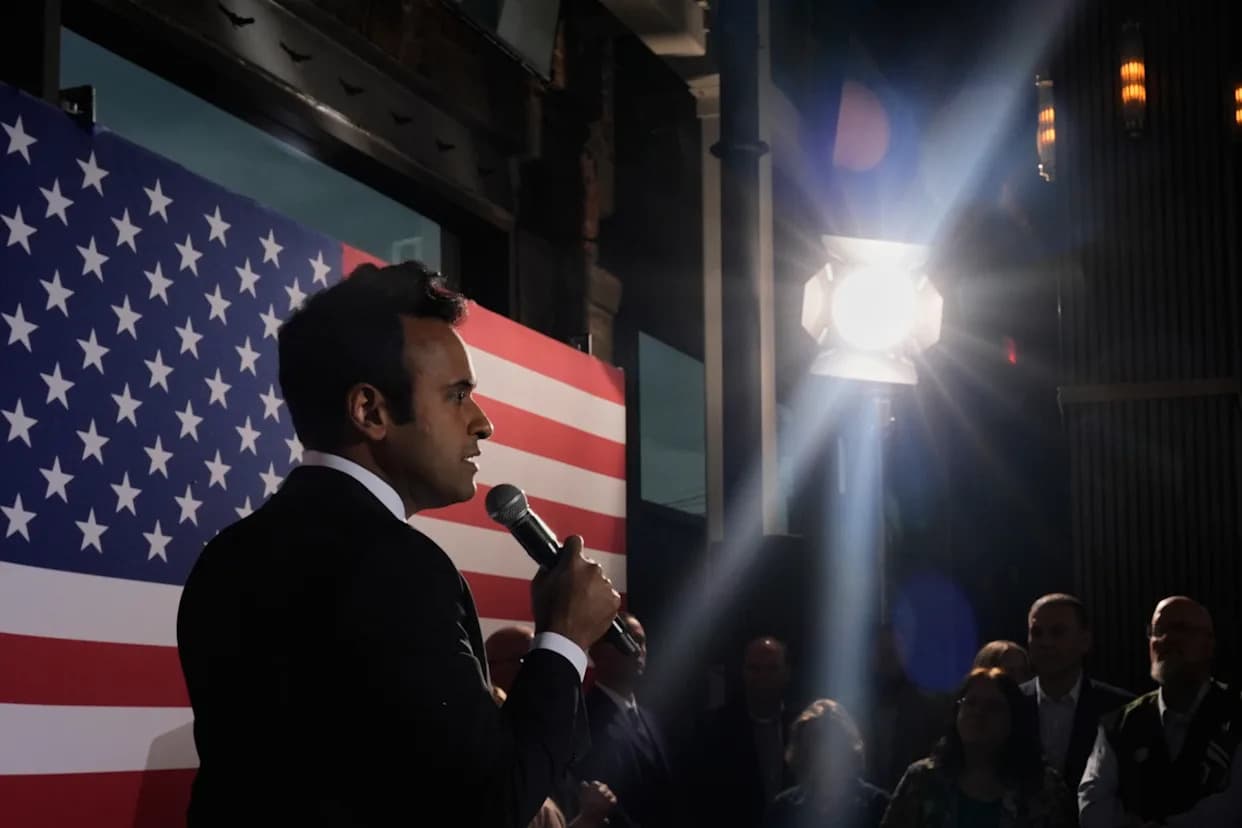
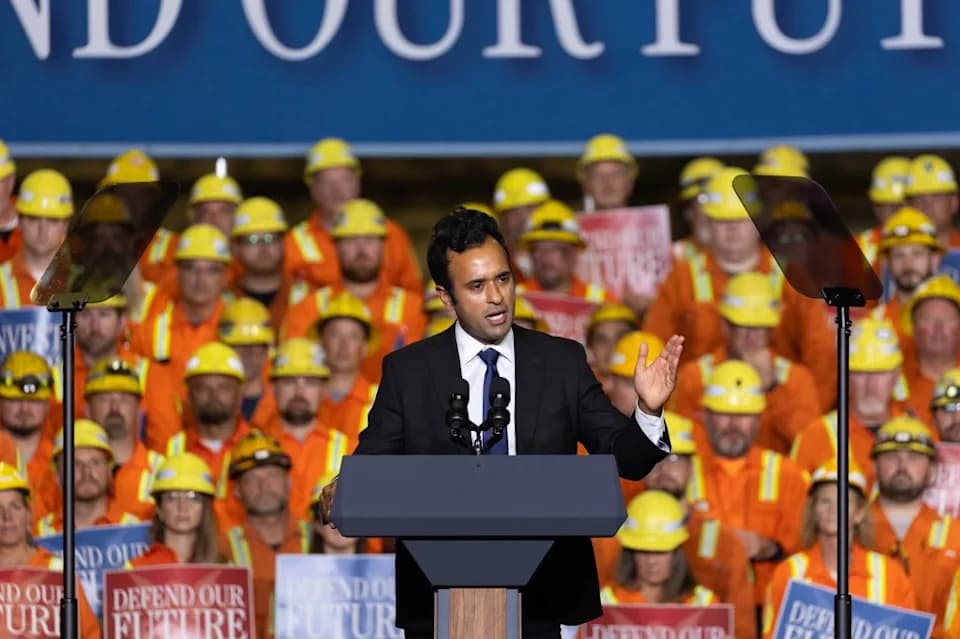
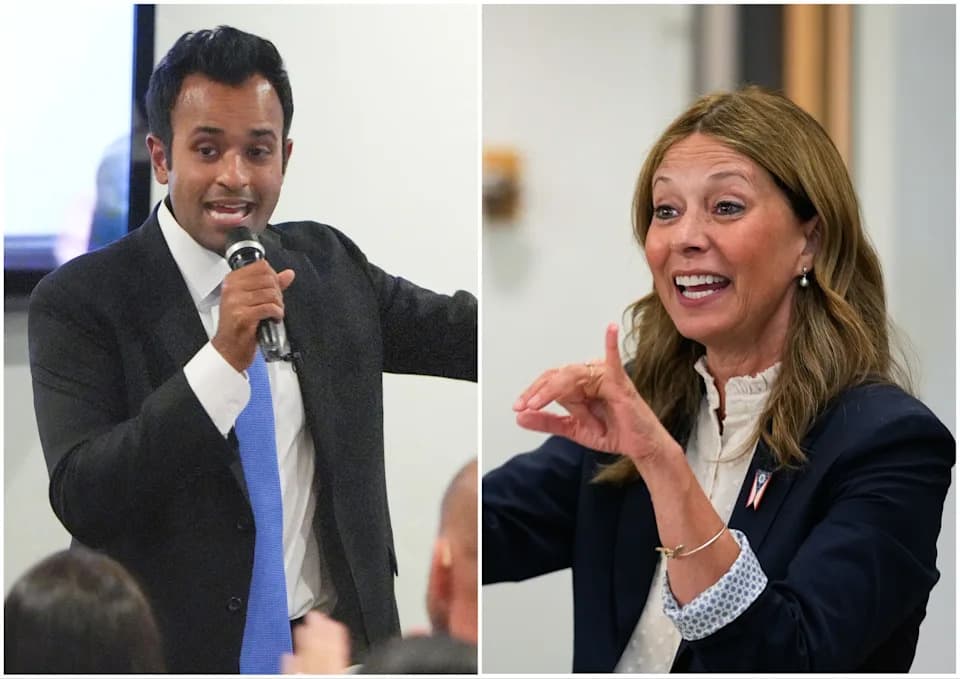
PIKETON, Ohio — The county GOP’s Lincoln Day dinner here felt like a small-town postcard: a school gym repurposed as a banquet hall, families clustered at round tables eating steak and potatoes beneath red, white and blue banners. The guest of honor, Vivek Ramaswamy, seemed to relish the Americana on display and used the platform to press a central theme of his campaign: reviving the American dream.
“We call it the American dream for a reason, because there is no Canadian dream, there is no British dream, there is no Chinese dream,” Ramaswamy, 40, told the crowd from a makeshift stage under a balloon arch and an American flag. “I understand why many are skeptical, but what I’m talking about tonight is how we are going to turn Ohio into the cradle of the American dream once again.”
Identity, Religion And Class In Play
Not everyone in the room accepted that pitch. At a back table, a woman rejected Ramaswamy’s claim that anyone who comes to the United States can achieve the American dream: “You need to be an American to do the American dream,” she said, later describing local immigration she opposed. That tension — between a universal, merit-based claim and local concerns about identity — captures the challenge Ramaswamy faces as the Republican nominee for Ohio governor.
Ramaswamy, an Indian American and a Hindu whose parents emigrated to the United States, rose from a biotech career to national prominence after a 2024 presidential bid. Last month he won the GOP primary for Ohio governor handily, defeating Casey Putsch — a far-right challenger who attacked him over race and class. Ramaswamy’s November opponent will be Democrat Amy Acton, a white former state health director, in what is shaping up to be a closely watched race.
“Most of us, the only time we’ve ever been in a room with someone of color like him was when you went to see your doctor.” — Denny Malloy, Trumbull County GOP chair
Interviews with more than 20 voters and strategists across Ohio — a state that is roughly 80 percent white and about two-thirds Christian — show that Ramaswamy’s race, religion and elite background are real political hurdles. Few people directly said they would refuse to vote for him because of his Hindu faith, but several said they know churchgoers who would. Many more raised doubts about whether his Ivy League pedigree and billionaire status connect with working-class Ohioans who have endured deindustrialization and persistent economic strain.
Wealth, Messaging And Working-Class Skepticism
Ramaswamy frames upward mobility as a product of individual effort and leadership that creates opportunity. “We have to do our part as leaders to recreate the conditions for the American dream,” he told POLITICO Magazine on the trail in Ohio. “But your job is to view yourself as empowered.”
That message resonates with some: several building-trades unions and regional GOP chairs praised his emphasis on jobs and industrial revival. Yet the same rhetoric sounds hollow to others who rise before dawn for long commutes to construction sites and factories. “People that have… wealth, they are going to talk that exact same way,” said Marty Loney, a union business manager outside Youngstown. “They don’t even know what work boots are, you know?”
Ramaswamy’s biography underscores the contrast. He grew up in a middle-class Ohio household, attended private school, earned degrees at Harvard and Yale, and found financial success in biotech entrepreneurship. He flies the state in a private jet and has made provocative public remarks — such as criticizing Silicon Valley hiring practices and calling out perceived cultural complacency — that opponents use to portray him as out of touch.
Local Economics And Political Calculus
Piketon and surrounding Appalachian counties have been battered by job losses and environmental problems. Still, residents point to new investments that could shift the local economy: a nearby uranium enrichment facility that reopened in 2023, a federal partnership to build a proposed large natural gas power plant (projected to deliver tens of thousands of construction jobs), and plans for a major data center. Ramaswamy and his allies argue he can build on recent manufacturing investments to usher in a new industrial revival.
That pitch has helped him win endorsements from several state and regional unions, though local chapters and individual members remain cautious. In the GOP primary, Casey Putsch — who ran on an explicit anti-elite, race-focused message and raised roughly $120,000 — carried some Appalachian counties and received more than 140,000 votes, even as Ramaswamy reportedly spent about $50 million and won roughly 82 percent of the primary vote statewide.
Broader Context And The Road Ahead
Ramaswamy’s candidacy highlights broader schisms within the conservative movement between pluralistic, merit-based nationalism and strands pushing “heritage Americanism” or blood-and-soil appeals. He has faced intense online hostility from fringe elements of the right and has pared back his social-media use as a result. Nevertheless, some local GOP strategists say skepticism over his background is fading when voters hear his policy plans and personal story; others see echoes of past elections where identity dynamics mattered, notably the 2006 Ohio governor’s race.
Democrats are seeking to make the election about who better represents working-class Ohio, portraying Ramaswamy as an out-of-touch billionaire while elevating Amy Acton’s public-service and working-class credentials. The November outcome is likely to hinge on whether Ramaswamy’s economic message can neutralize lingering identity concerns across Appalachia and rural counties while holding firm among suburban and union voters.
Key Facts: Ramaswamy is 40, an Indian American Hindu and the GOP nominee for Ohio governor. Ohio is about 80% white and two-thirds Christian. Ramaswamy defeated Casey Putsch in the primary after spending heavily; trade unions have offered mixed endorsements. Economic projects near Piketon could reshape local prospects, but voters remain skeptical about identity and elite disconnects.
Help us improve.