The Ohio governor's race between Dr. Amy Acton and Vivek Ramaswamy is intensely competitive and personal, marked by a Sept. 6 attack on Acton and aggressive, unproven ad accusations. Despite Acton's campaign declining debate invitations to CNN and WLWT, the editorial argues the candidates should meet publicly at least once so voters can compare leadership, temperament and policy in real time. Close polling and neither candidate's experience as governor make an unscripted debate especially important. The piece urges a single agreed debate — and the same expectation for other competitive races.
Ohio Governor Race Too Close To Skip A Debate — Voters Deserve At Least One Live Showdown
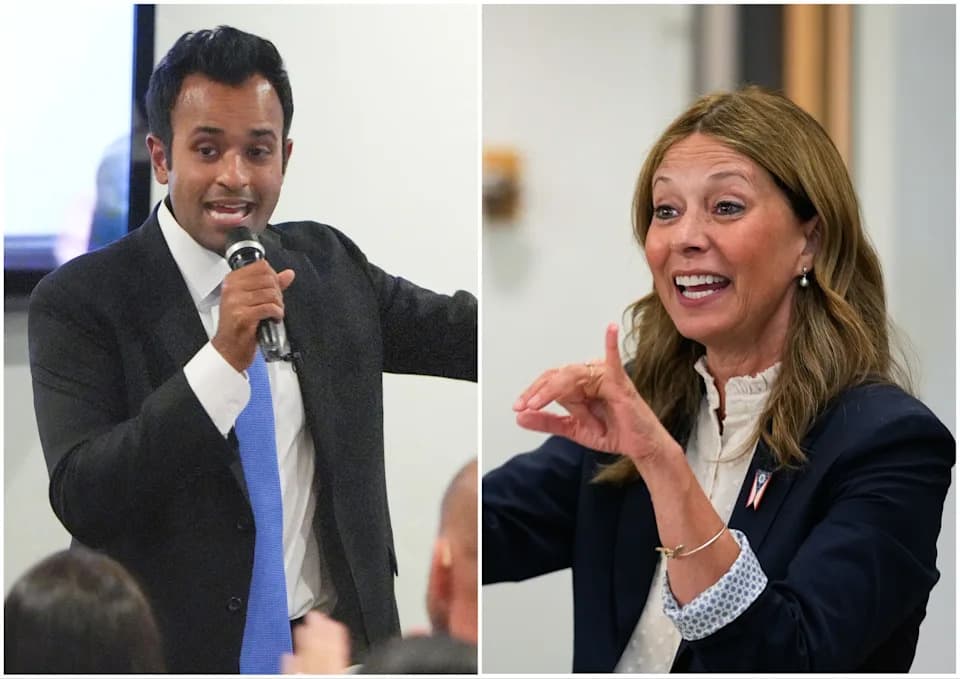
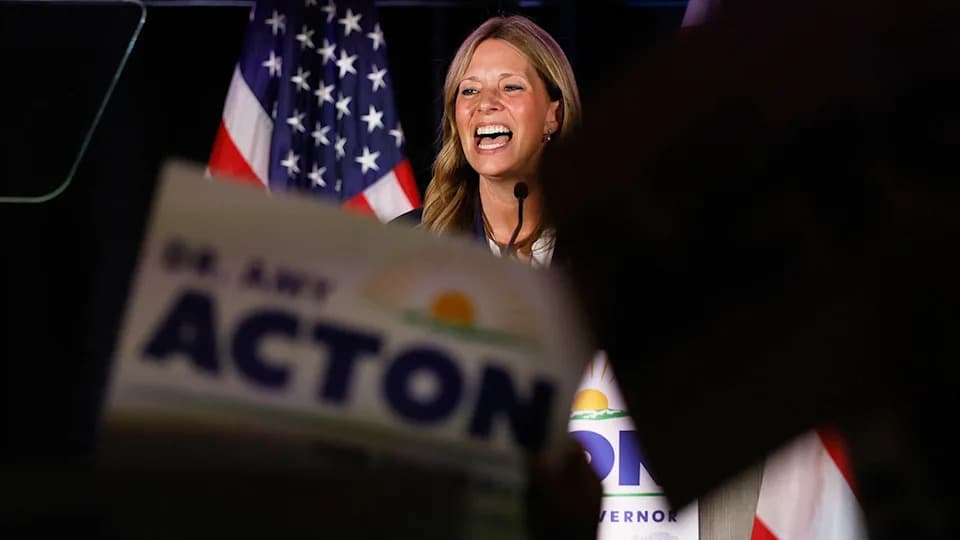
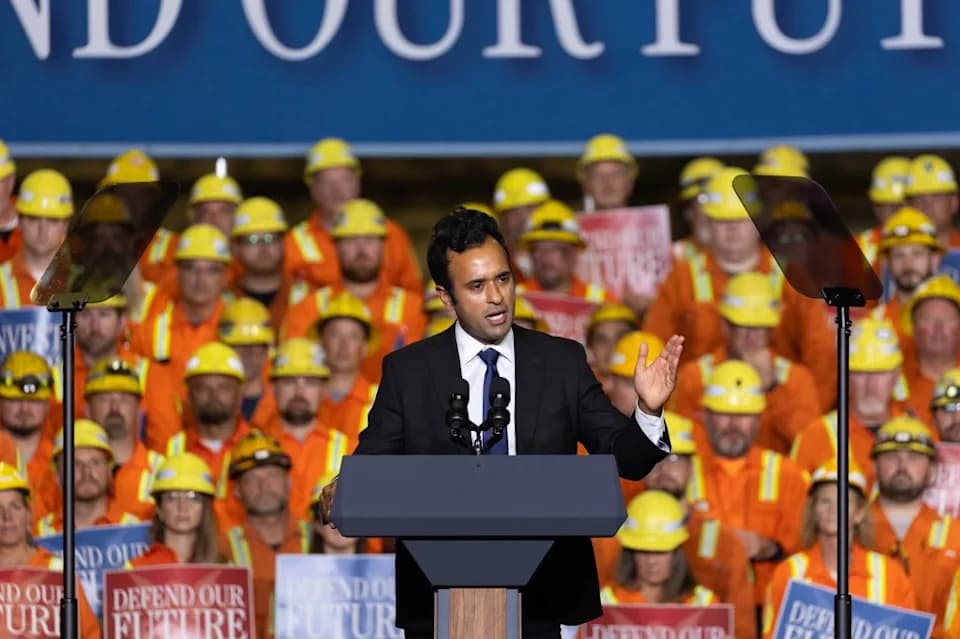
Vivek Ramaswamy speaks in Stark County in 2025; Amy Acton addresses a group at Ohio State in 2025. Kevin Whitlock/Massillon Independent; Samantha Madar/Columbus Dispatch
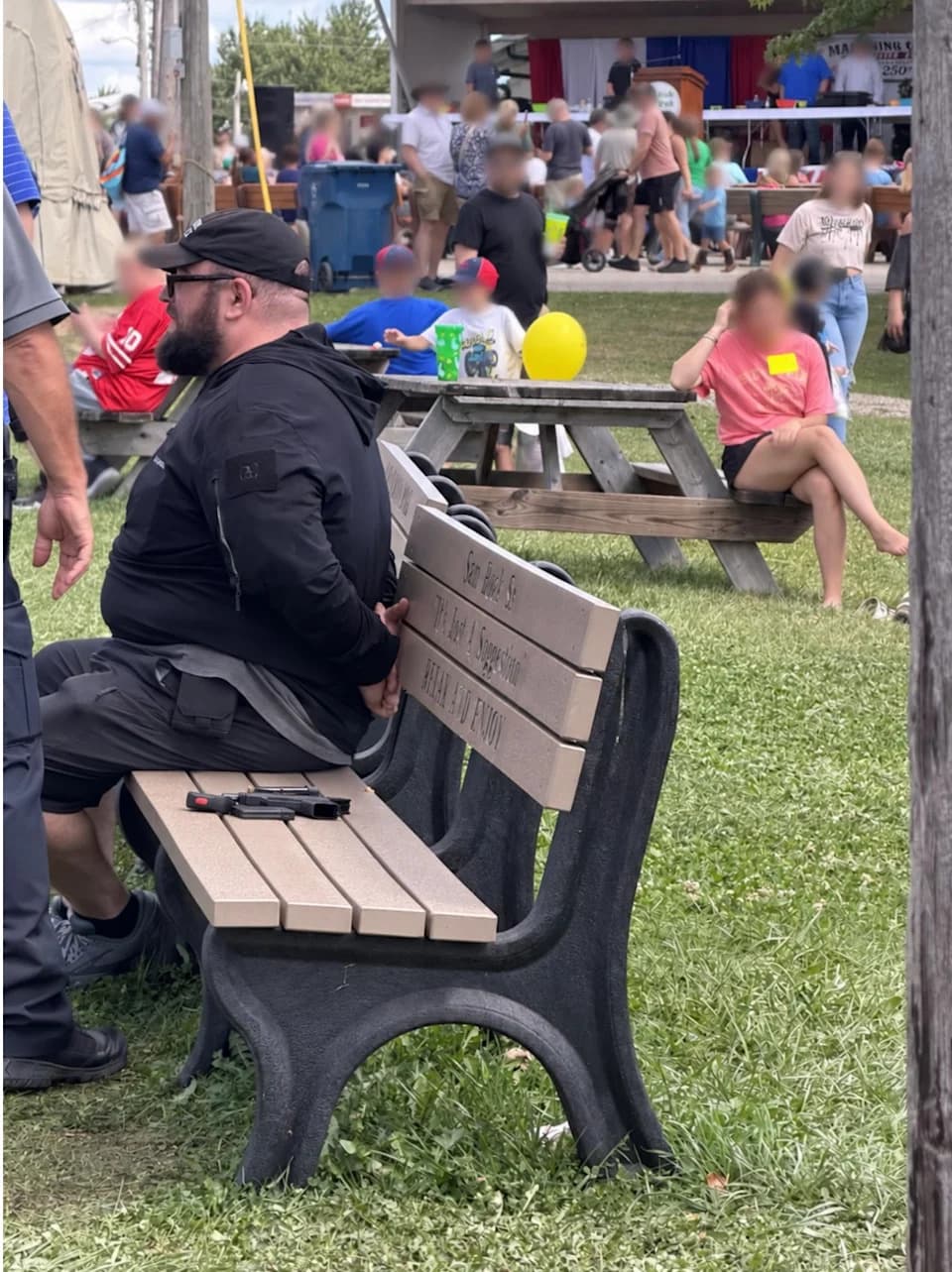
There are understandable reasons Dr. Amy Acton might be reluctant to share a debate stage with Vivek Ramaswamy. Tensions in the campaign have been unusually high: on Sept. 6 an armed man was arrested after lunging at Acton and causing injuries to fairgoers at the Canfield Fair in Mahoning County.
The contest for Ohio governor has also descended into a bitter, highly personal fight. Political ads have sought to portray Acton as unstable and suggested problems with alcohol and prescription medications — claims that reporting has not substantiated. Acton's campaign accuses Ramaswamy and his supporters of spreading intimate falsehoods about her and her family, and says more than $50 million has been spent on misleading attack ads.
When Ramaswamy said on Sept. 2 that he had accepted invitations to debate Acton on CNN and Cincinnati's WLWT-TV, Acton's campaign demurred. Campaign manager Phil Stein labeled Ramaswamy a "scam artist," saying the campaign preferred to focus on meeting Ohio voters rather than appearing alongside someone it accuses of repeatedly misrepresenting her.
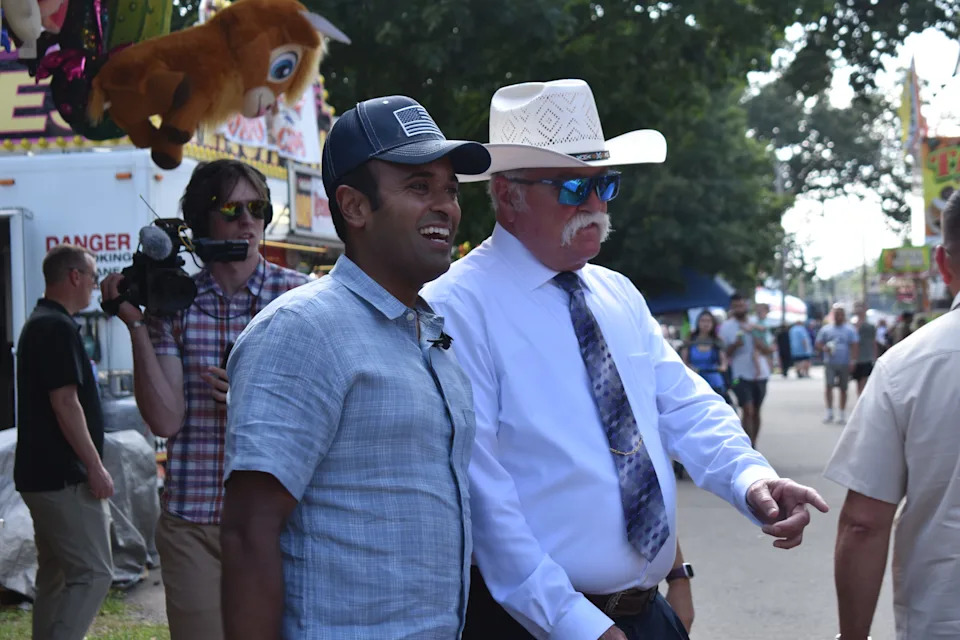
Butler County Sheriff Richard Jones introduced Vivek Ramaswamy to vendors at the Butler County Fair on July 29, 2026.
Why a Debate Still Matters
That anger is understandable. But it should not mean Ohioans are denied a gubernatorial debate. CNN and WLWT do not have to be the only options; the campaigns could agree on a different network, moderator, format or location. Still, the two people seeking the state's top office should face voters together at least once.
Debates are not perfect — candidates rehearse, a witty line can eclipse substance, and many voters come to the stage already decided. Yet debates remain one of the few unscripted settings where voters can compare knowledge, temperament and leadership in real time. A debate is the political equivalent of a job interview, except millions of Ohioans are the hiring panel: they see whether candidates can defend positions under pressure, respond without a script and explain how they would govern.
Close Polling Underscores The Need
Recent public polls show a razor-thin race: Wedgewood Polls had Acton ahead 47%-46% among likely voters in August; Fox News put Ramaswamy up 50%-48% among registered voters; Siena found a 47%-47% tie. Those results consistently depict a highly competitive contest rather than one in which Ohioans have already rendered a clear verdict.
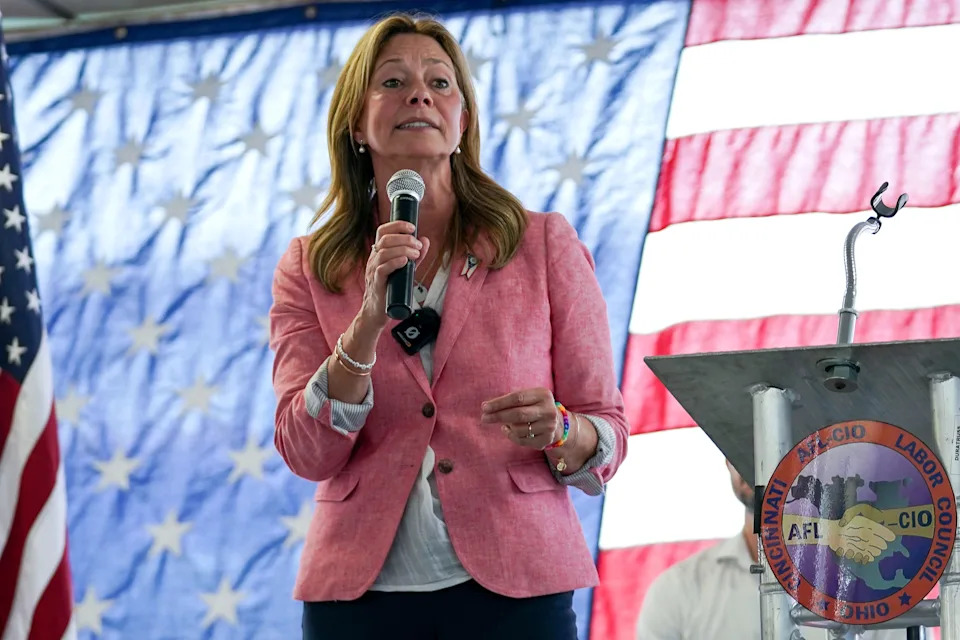
Democratic gubernatorial candidate Dr. Amy Acton speaks during the AFL-CIO Central Labor Council's Labor Day picnic at Stricker’s Grove, Saturday, Sept. 5, 2026, in Hamilton, Oh.
Neither candidate has experience running a state government. Acton served as director of the Ohio Department of Health and became one of the state's most recognizable public figures during the COVID-19 pandemic. Ramaswamy built businesses, ran for president and entered the national political arena. Voters therefore have legitimate questions about how each would handle the enormous responsibilities of the governor's office — questions that are best answered in an unscripted encounter.
"Leadership sometimes requires making consequential choices with incomplete information and then explaining them to millions," the editorial argues. "That's why an unscripted encounter between candidates has value."
Historic debates have allowed Ohioans to see direct clashes over policy and experience — exchanges that campaign ads and polished interviews cannot reproduce. The same standard should apply beyond the governor's race: competitive U.S. Senate and congressional contests in Ohio would also benefit from live debates.
Find the network. Choose the moderators. Negotiate ground rules. Then show up — for voters' sake.
Byline: This editorial was written by Cincinnati Enquirer Opinion Editor Kevin S. Aldridge on behalf of USA TODAY Ohio Network newspapers, including The Columbus Dispatch, The Cincinnati Enquirer, Akron Beacon Journal and The Canton Repository.
Help us improve.