Multiple national surveys show a sharp drop in independent voters' approval and favorability for President Trump during his second term. Civiqs reports independents at 30% approve/63% disapprove (net -33), down from net -5 at inauguration. Economist/YouGov and PRRI record similar declines — YouGov shows net -50 among independents, and PRRI finds favorability down to 25% from 35%. Aggregated AP-NORC analysis confirms support falling from roughly 40% at the 2024 election to about 25% by spring 2026.
Independent Support for Trump Plummets Across Multiple National Polls
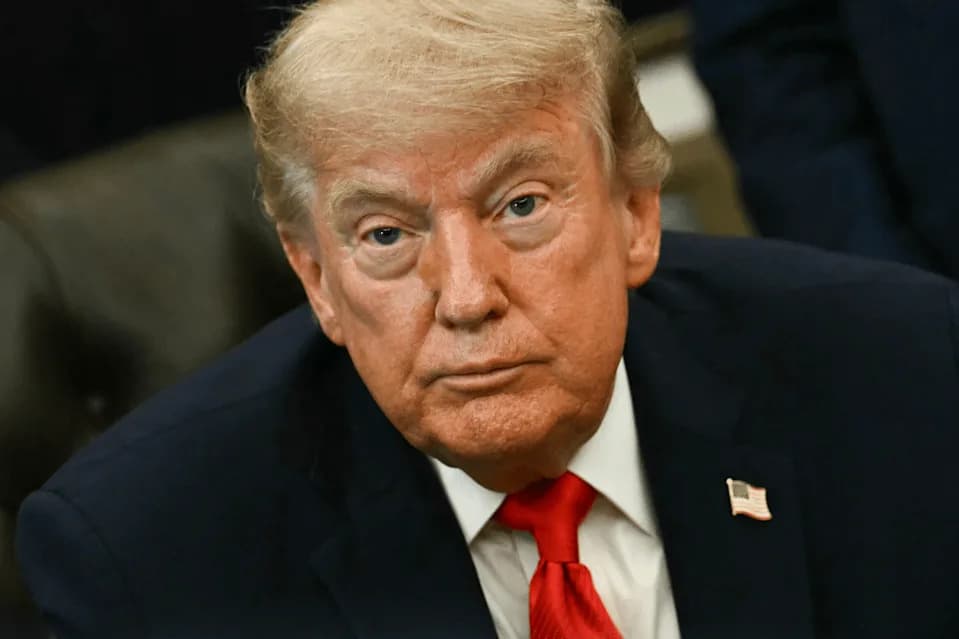
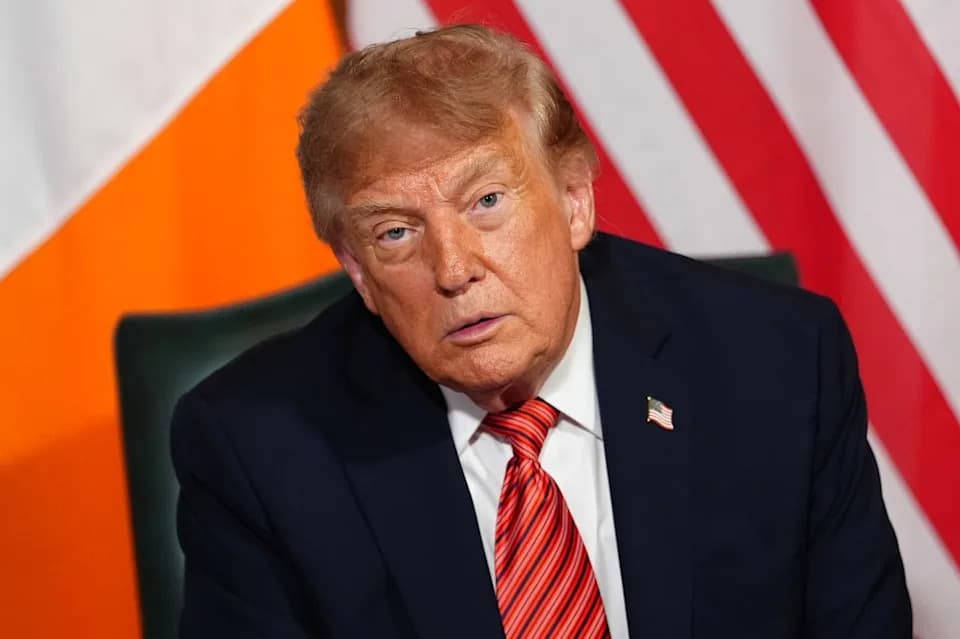
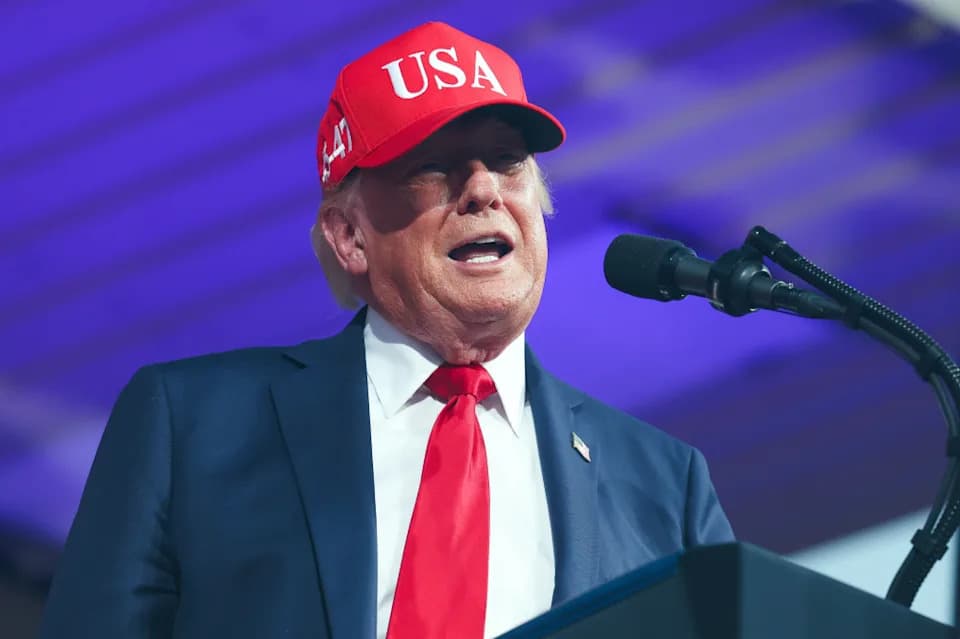
President Donald Trump speaks before signing a proclamation in the Oval Office of the White House in Washington, D.C., on June 11.
Independent voters' support for President Donald Trump has fallen sharply across a range of national surveys, with multiple trackers reporting record-low approval and steep declines during his second term.
What The Polls Show
Civiqs’ rolling national tracker reports independents at 30% approve / 63% disapprove (net -33), down from net -5 at the start of the term — a 38-point swing. The tracker draws on more than 110,000 responses collected between the second inauguration (January 20, 2025) and mid-June 2026.
The Economist/YouGov weekly series recorded an all-time low among independents in its May 29–June 1, 2026 survey of 1,604 adults: net -50 (margin of error ±3.6). By comparison, a January 26–28, 2025 YouGov poll of 1,577 adults (±3.3) showed independents only slightly negative at net -4, implying roughly a 46-point deterioration across about 16 months.
PRRI (May 1–18, 2026; n=5,469; ±1.53) found just 25% of independents view Trump favorably, down from 35% in March 2025 — a 10-point decline in roughly a year. While favorability differs from job approval, the downward trajectory matches other datasets.
An AP-NORC aggregation published in June pooled 21 surveys (July 2024–April 2026) and a combined sample of 4,836 independents across five periods. It shows support falling from roughly four-in-ten around the 2024 election to about one-quarter by spring 2026. The shift has been especially pronounced among independents without a college degree, whose support fell from about half to roughly one-quarter.
Consistency Across Methods
These findings come from diverse methodologies — rolling trackers, weekly opt-in panels, large probability samples and aggregated studies. Despite methodological differences, the direction is consistent: independent approval and favorability for Trump have moved sharply downward during his second term. That convergence across independent pollsters strengthens the interpretation that this represents a substantive change rather than a statistical blip.
State-Level and Demographic Patterns
Civiqs’ state-level results show Trump underwater across much of the map, not only in reliably Democratic states, suggesting geographically broad erosion. Demographically, the decline is broad-based: education, region and other subgroup breakdowns indicate the early advantages Trump held with some independent cohorts have largely dissipated.
Response From The White House
When asked about the polls, the White House pointed to Trump’s 2024 election victory. Spokesperson Davis Ingle said nearly 80 million Americans had elected Trump to pursue a popular agenda, and highlighted the administration’s work on jobs, inflation and housing affordability.
Implications
Whether the erosion continues will hinge on political and economic developments in the months ahead. Polling suggests issues such as inflation, the broader economy and foreign policy are influencing perceptions — areas where presidential approval typically tracks public sentiment. With midterm contests approaching, a sustained decline among independents could reshape outcomes in close House and Senate races.
Bottom line: Multiple, independent national datasets point to a meaningful and sustained decline in independent voters' support for President Trump during his second term — a trend with potential consequences for 2026 midterm contests.
Help us improve.