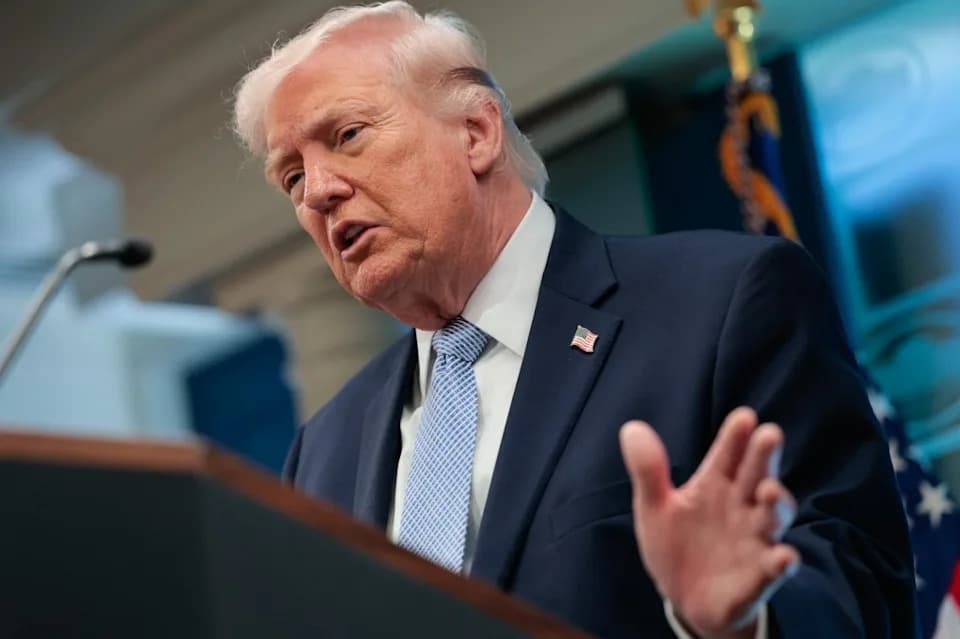
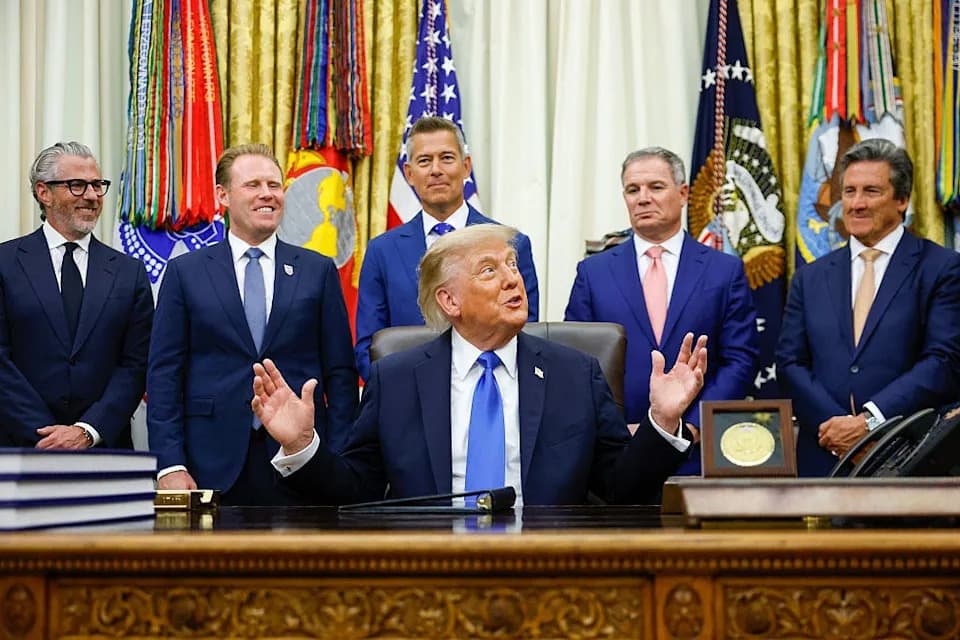
Marquette Law School polling shows President Trump's approval among "very conservative" Americans fell from 84% in July to 76% in September, an eight-point decline that experts say should be interpreted cautiously because it comes from a small subgroup. Weak ratings on inflation (19%), gasoline prices (20%) and the broader economy (28%), plus concerns about the Iran war (26%), are cited as likely contributors. While approval remains strongly positive among very conservatives, political scientists warn that reduced enthusiasm or turnout — not mass defections to Democrats — is the bigger midterm risk.
Marquette Poll: Trump Approval Drops Among Very Conservative Voters — Turnout, Not Defection, May Be Bigger Risk
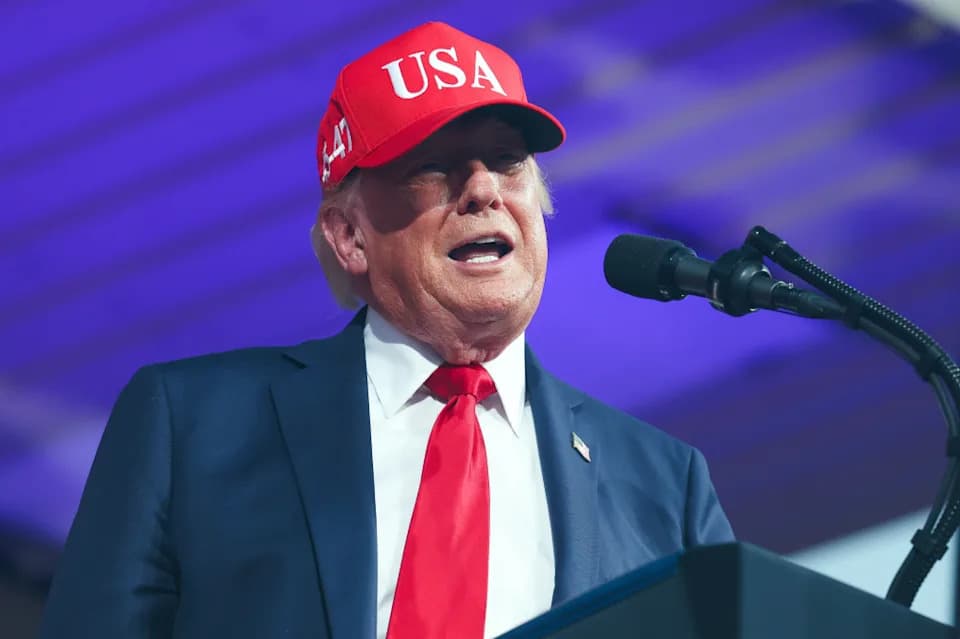
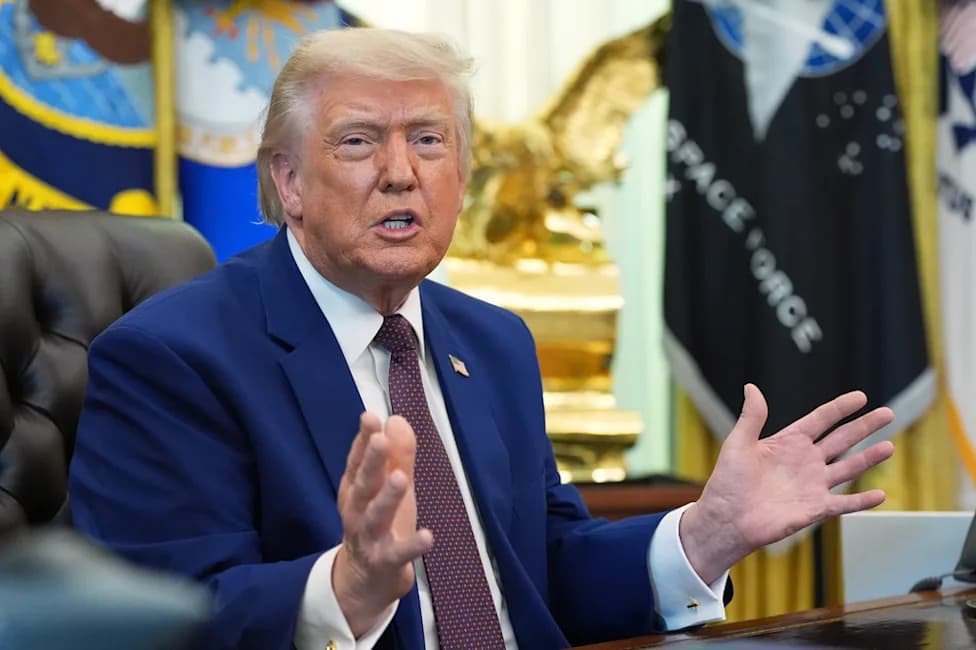
File photo: Trump speaks at a campaign rally on September 16, 2026, in Gastonia, North Carolina.
A Marquette Law School poll found President Donald Trump's approval among "very conservative" Americans fell from 84% in July to 76% in September — an eight-point decline that could signal unease within a normally reliable Republican base as midterms approach. Political scientists and party officials agree the shift merits attention but caution against overreading a single subgroup change.
What the Poll Shows
Marquette's September survey of 1,023 adults (conducted Sept. 2–9, 2026; margin of error ±3.3 points) reported overall presidential approval at 37% and disapproval at 63% — the weakest of Trump's second term in Marquette polling. Among the subset identifying as "very conservative," approval dropped from 84% in July to 76% in September; disapproval in that group rose from 16% to 24%.
Why Experts Urge Caution
Political scientists said the change comes from a small subgroup and may reflect sampling variability rather than a broad political shift. The very conservative subgroup included roughly 145 respondents in July and about 110 in September, giving that slice a substantially larger margin of error than the full national sample.
"I would interpret the eight-point movement cautiously," said Costas Panagopoulos, a political-science professor at Northeastern University. "A single subgroup shift can reflect sampling variability; it becomes much more meaningful if it persists across multiple polls."
"Margins of error among that group for a yes-no response are larger than the change tracked," added Grant Reeher of Syracuse University. "That doesn't mean there isn't something there, but I wouldn't go to the bank on it."
Issue Ratings That May Help Explain the Shift
The survey showed particularly weak ratings on pocketbook issues that often motivate voters: approval for Trump's handling of inflation and the cost of living was 19%, gasoline prices 20%, and the economy 28%. Approval for his handling of the Iran war was 26%. Inflation and the cost of living were the public's top concern, picked by 37% of adults.
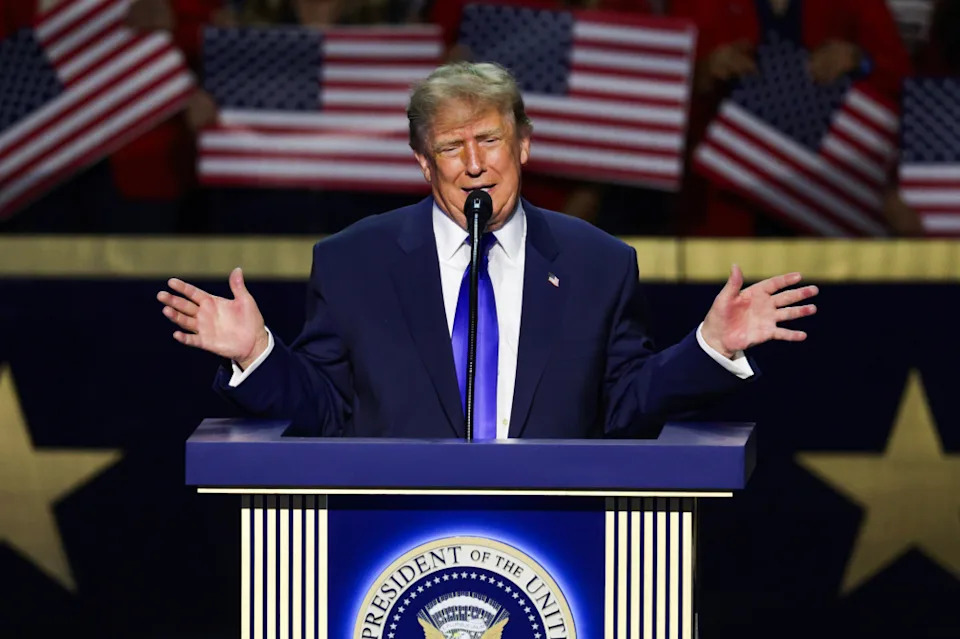
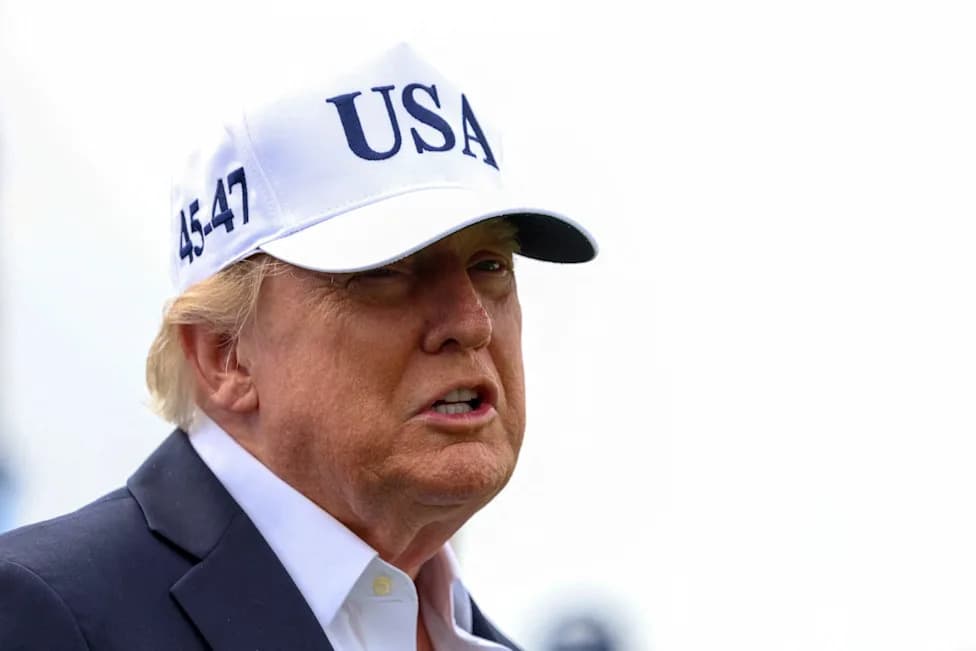
File photo: Trump speaks at the 2026 Republican National Convention at the American Airlines Center, Dallas, on September 9, 2026.
Turnout and Midterm Implications
Experts warned that even if ideological loyalty remains strong, reduced enthusiasm can depress turnout — a critical factor in midterm elections. Marquette's cross-tabs showed mixed signals on engagement: the share of very conservative respondents who said they were "absolutely certain" to vote rose from 69% in July to 72% in September, and the share "certain or very likely" to vote increased from 80% to 87%. At the same time, the combined share who were "very or somewhat enthusiastic" about voting fell from 78% to 74%.
"Voting for a Democratic alternative is a higher bar than stating lack of approval," Reeher said. "But it suggests more about potential turnout effects than vote choice. And in a midterm, that's really important." Panagopoulos added that persistent dissatisfaction could reduce campaign participation and the informal work of rallying other voters.
Reactions: RNC And White House
The Republican National Committee pushed back against suggestions of a broader conservative collapse. "Polls serve as a snapshot in time, not a crystal ball," RNC national press secretary Natalie Baldassarre said, arguing conservative enthusiasm grew after the Republican National Convention. The White House pointed to Trump's 2024 election victory as a more consequential indicator of support and defended the administration's economic agenda.
Methodology
The September Marquette survey interviewed 1,023 adults nationwide from Sept. 2–9, 2026 (±3.3 points). The comparison July survey interviewed 1,076 adults from July 22–29, 2026 (±3.2 points). The small size of the "very conservative" subsamples (about 145 in July, 110 in September) increases the sampling error for that group.
Bottom line: Trump remains strongly approved of by most very conservative respondents, but the narrower margin and weak issue ratings on inflation, the economy and gasoline prices raise the risk that lower enthusiasm — rather than large-scale defections — could matter in close midterm contests.
Help us improve.