Unusually early heat, drought and water-management events have caused mass fish die-offs across the U.S., from about 1,000 bluegill and crappies in Minnesota’s Como Lake to an almost complete loss at Arizona’s San Carlos Lake and a large carp kill in the Charles River. Experts say such events can be natural but warn that rising summer temperatures and El Niño–linked conditions could make them more frequent. Authorities are monitoring impacts and urging steps to support ecosystem and watershed health.
Early-Season Heat Triggers Mass Fish Die-Offs Across U.S. Waters
Shutterstock / Futurism
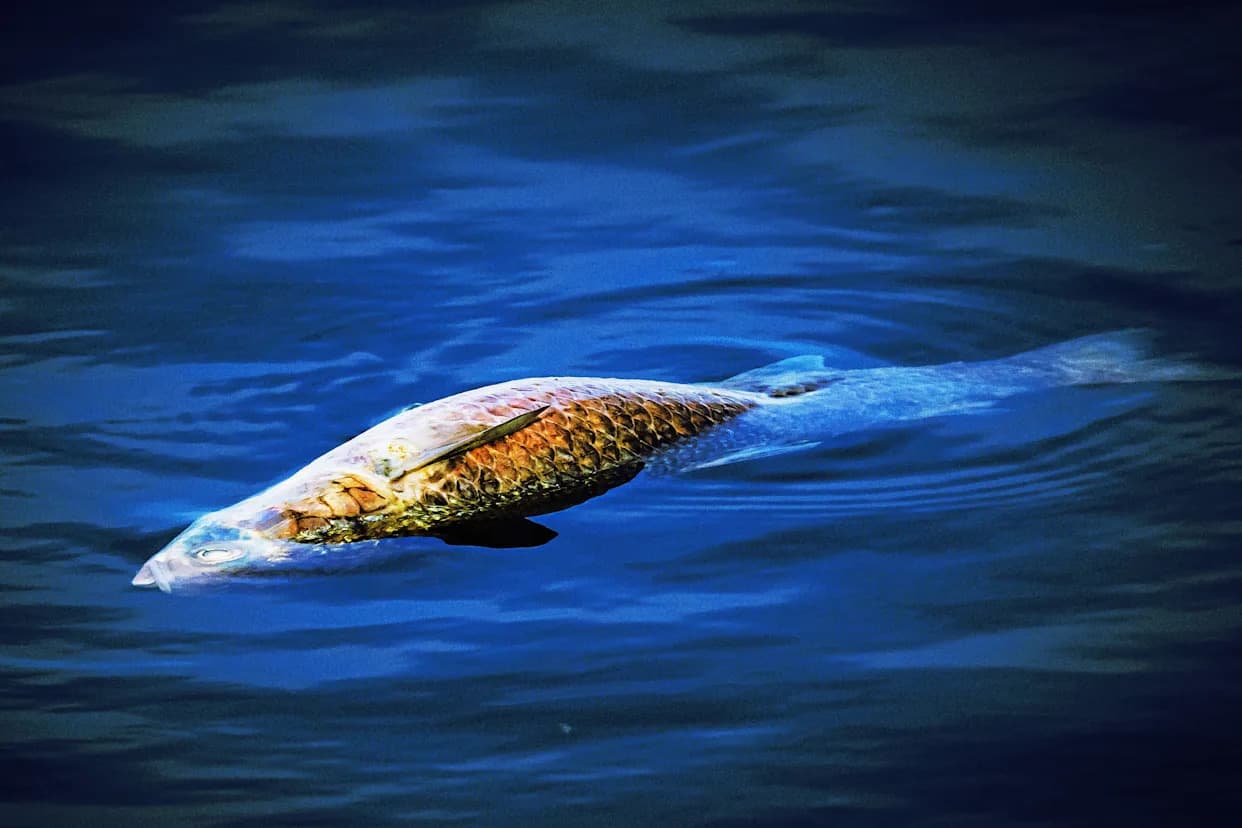
Contractors and wildlife officials across the United States have spent recent days removing thousands of dead fish after an unusually early surge of heat, combined with drought and water-management events, led to widespread low-oxygen conditions and large die-offs.
Minnesota: Como Lake
In St. Paul, Minnesota, crews spent a weekend hauling away roughly 1,000 bluegill and crappies from Como Lake after a sudden temperature spike caused oxygen levels to plunge, the Minnesota Star Tribune reported. Many fish were found floating or stranded along the lake’s shoreline in the suburban park.
Arizona: San Carlos Lake
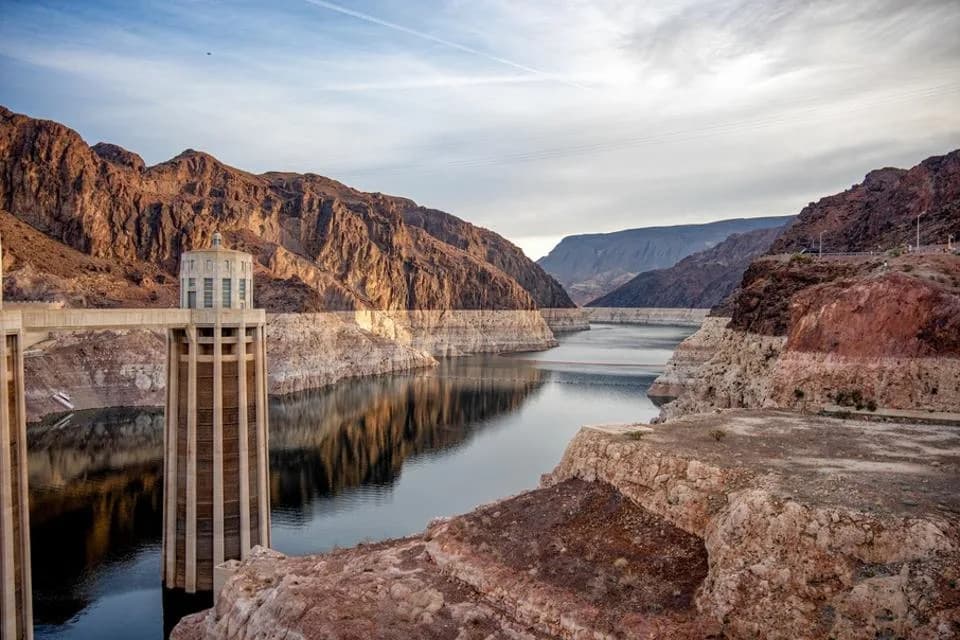
Arizona wildlife officials closed public access to San Carlos Lake indefinitely after severe drought and a nearby dam release combined to produce what the state described as a "major fish kill," affecting approximately 100% of the lake’s fish population. Authorities are evaluating the ecological impacts and public-safety issues from the event.
Massachusetts: Charles River
A large carp die-off occurred in the Charles River following an early heat wave that intensified stress on fish already exhausted from spawning. Marielena Lima, River Science Program Manager at the Charles River Watershed Association, told local station WGBH that the timing was unusual.
"It’s such an early fish kill. Usually it happens later down in the summer when it’s really hot," Lima said. "But we’ve been in a drought for months now, so I think it’s just kind of all these compounding effects on fish in our watershed."
Experts emphasize that fish kills can result from many causes — including natural population "boom-and-bust" cycles — and are not always evidence of permanent ecosystem collapse. Britta Belden, monitoring and research division manager at the Capitol Region Watershed District, noted that such population swings are natural in lakes like Como. Still, she warned that warmer summers driven by climate change may increase the frequency and severity of these events.
"These individual species populations do boom and bust in the lake. This is natural," Belden said. "The best we can do is continue to support the lake and ecosystem health."
Broader Context
Recent studies predict that fish kills will become more common as extreme heat events intensify. Last month was the world’s second‑hottest May on record, with global air temperatures about 2.55°F above pre‑industrial norms. Climate scientists warn that the summer of 2026 could be among the hottest on record as a major El Niño phase unfolds, raising the risk of more widespread thermal stress and hypoxia in freshwater systems.
What causes these die-offs? Rapid warming reduces how much oxygen water can hold, while drought concentrates pollutants and can strand vulnerable fish. Dam releases and altered flows can further shock aquatic systems, especially when fish are already stressed from spawning or low water levels.
What can be done? Managers can monitor oxygen levels, time water releases to reduce shocks, and take steps to improve overall watershed health. Longer term, reducing greenhouse gas emissions and bolstering drought resilience are central to limiting the growing threat to freshwater life.
Help us improve.