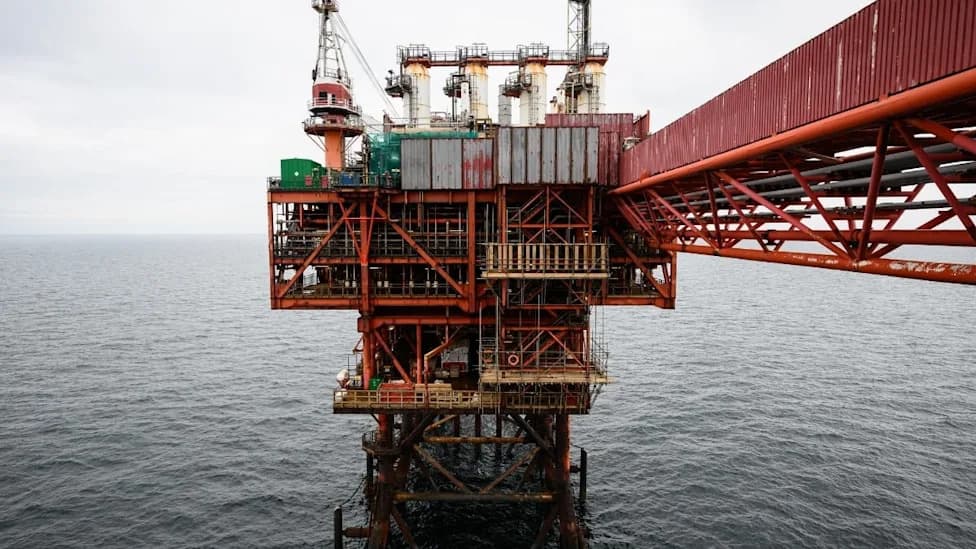
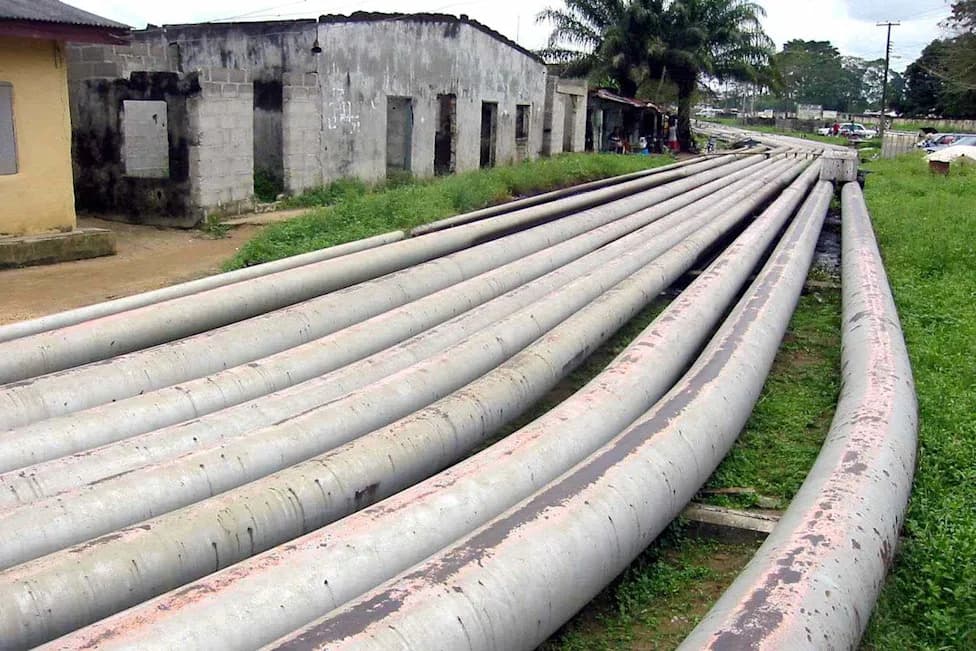
Internal Shell emails obtained by Mongabay indicate executives knew since 2008 that the Nembe Creek Trunk Line was in poor condition but continued operations. Residents say spills between 2011 and 2013 destroyed roughly 2,000 hectares of mangroves and devastated local fisheries. A 2015 U.K. lawsuit alleges Shell remains responsible even when oil theft played a role; Shell attributes many leaks to criminal gangs and cites complex safety and security trade-offs.
Internal Emails Show Shell Kept Nembe Creek Pipeline Running Despite Safety Warnings, Ravaging Mangroves
Photo Credit: iStock
Internal company documents obtained by Mongabay reveal that Royal Dutch Shell continued operating the Nembe Creek Trunk Line — a 97-kilometer (60-mile) pipeline carrying roughly 150,000 barrels per day to Bonny Island — despite internal warnings that the line was below technical standards and posed a risk to nearby wetlands.
What the documents show
Seniority-level memos and emails dating back to 2008 indicate executives were aware of the pipe's degraded condition. In one message, technical vice president Markus Droll said he felt "pretty uncomfortable" about keeping the line in service and called the justification for doing so "at best weak." Regional executive vice president Ann Pickard argued operations represented "the lower risk to both people and environment," according to the correspondence.
Subsequent internal records flagged tampered or illegally tapped sections of pipeline, including parts of the Nembe Creek line, as "red" — a classification that required either immediate shutdown or rapid removal of unauthorized connections.
Local impacts
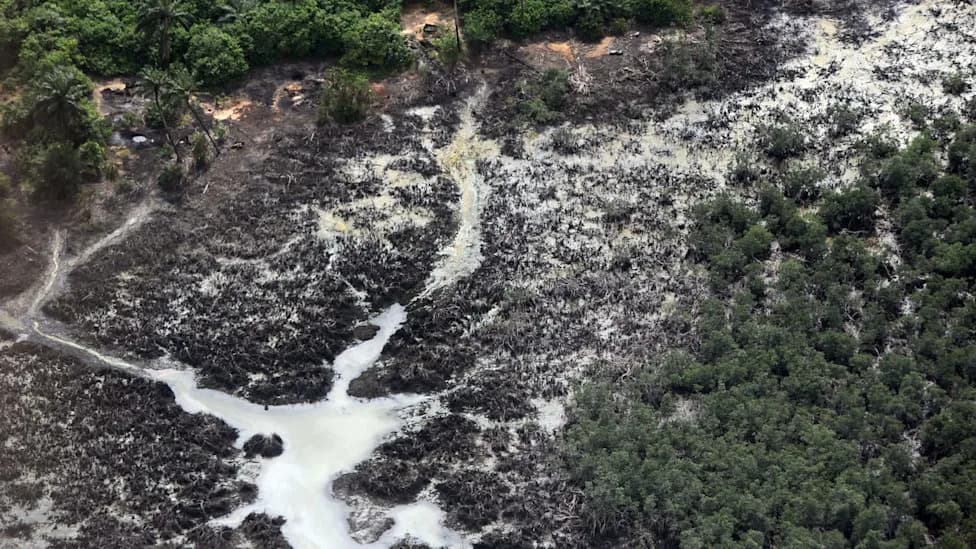
Residents of Bille, a riverine community near the pipeline, say a series of spills between 2011 and 2013 devastated roughly 2,000 hectares of mangrove and caused much wider ecological harm. Independent research cited by Mongabay marks the Bille area as a hotspot for mangrove degradation; local fishers describe dramatic declines in fish, shellfish, oysters and periwinkles that sustain both food security and livelihoods.
'The aquatic life is gone. Our people can no longer go to the river and catch reasonable fish — they can't even find the fish in the first place,' said Boma Renner Igolima-Dappa, spokesperson for the Bille Kingdom Chiefs Council.
Community lawyers say the newly disclosed records show that executives in London bore significant responsibility for decisions that affected Nigeria. In a 2015 lawsuit filed in the U.K., plaintiffs argued Shell remained liable for environmental damage even where oil theft or illegal tapping contributed to leaks. Shell maintains that organized criminal gangs caused many of the leaks and that operational choices were made amid complex safety, environmental and security trade-offs.
Wider stakes
The Niger Delta contains four Ramsar-designated wetlands and Africa's largest mangrove forest, amplifying the ecological stakes of major spills. Beyond immediate habitat loss and economic harm to coastal communities, oil pollution and broader fossil-fuel activities are linked to air and water contamination and long-term public-health risks, while delaying transitions to cleaner energy can perpetuate those harms.
For Bille residents, the consequences are concrete and lasting: fouled waterways, destroyed fishing livelihoods and a difficult path to recovery unless effective cleanup, compensation and accountability follow.
Shell's response: The company said operational choices were made "in a highly complex environment, balancing safety, environmental considerations and security risks."
What remains urgent: thorough cleanup, transparent investigations, and accountability to support ecological restoration and local livelihoods.
Help us improve.