Researchers are exploring several promising approaches to reverse hair loss by reactivating dormant hair-follicle stem cells. Absci's AI-designed injectable ABS-201 targets the prolactin receptor and showed full regrowth in macaques; human trials began in December 2025. UCLA teams discovered that boosting lactate metabolism can wake follicles, inspiring a topical candidate (PP405) now in safety trials. A 2024 study also found the natural sugar deoxyribose promoted blood-vessel formation and hair regrowth in mice, comparable to minoxidil.
Researchers Are Mining the Body for a Baldness Cure: AI Antibodies, Metabolism Hacks and a Surprising Sugar
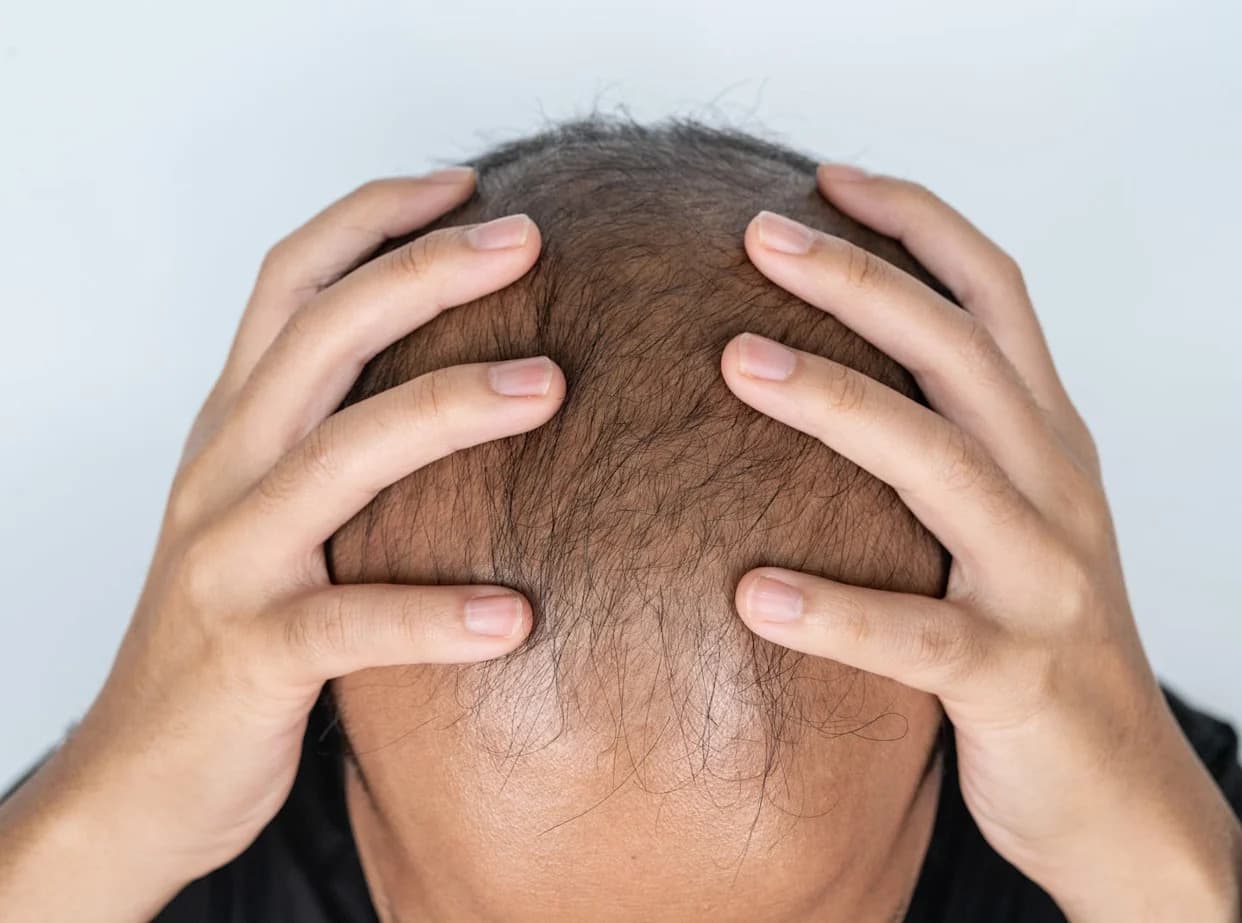
These Treatments Could Stop Balding in Its TracksGetty Images
For thousands of years, full, healthy hair has been a visible signal of vitality and attractiveness. When hair thins or disappears — a fate that affects roughly 80% of men and about 50% of women — the psychological impact can be significant. New research is converging on several ways to reactivate dormant hair-follicle stem cells and restore growth.
ABS-201: An AI-Designed Injectable That Targets the Prolactin Receptor
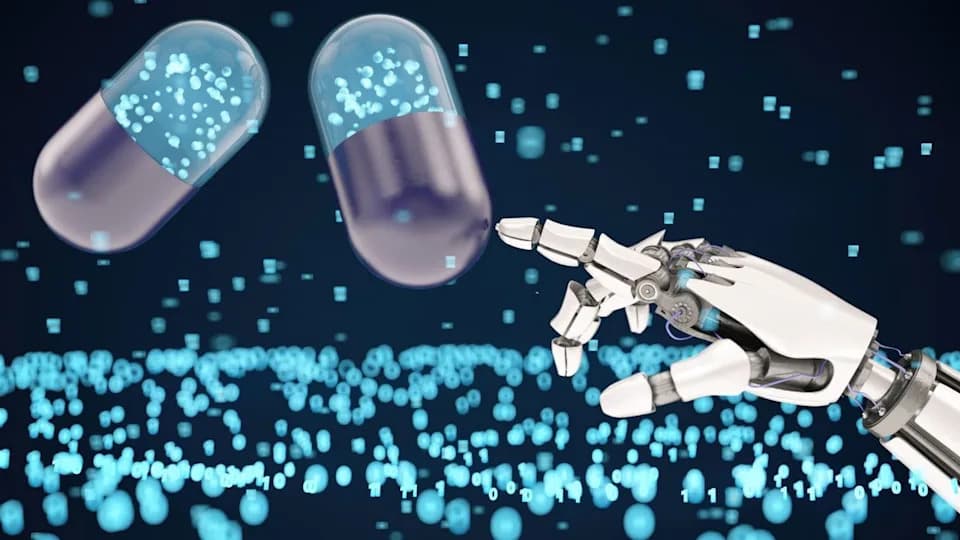
ABS-201 is an experimental injectable developed by Absci, a biotechnology company in Vancouver, Washington, that uses artificial intelligence to design antibody sequences. Unlike current treatments such as minoxidil or surgical transplants, ABS-201 is designed to push dormant follicles back into the anagen (growth) phase by targeting the prolactin receptor, a protein more commonly associated with mammary development.
"No other drugs target the prolactin receptor in the same way," says Anthony Rossi, MD, a dermatologist at Memorial Sloan Kettering Cancer Center, which collaborates with Absci.
Absci says its AI platform helped the team identify optimal antibody binding regions and optimize drug properties such as potency and the likelihood of immune reactions. In preclinical studies, macaques treated with ABS-201 reportedly regrew full coats within six months. In mouse tests cited by the company, ABS-201 produced full regrowth in about 22 days while minoxidil generated visible growth in roughly one-third of treated animals.
According to Absci, human single ascending-dose trials began in December 2025, with plans for a multiple ascending-dose study in mid-2026. These human studies will be needed to confirm safety and whether the preclinical regrowth translates to people.
Waking Stem Cells With Metabolism: Lactate and PP405
At UCLA, researchers led by biochemist Heather Christofk, PhD, and stem-cell biologist William Lowry, PhD discovered that active hair-follicle stem cells rely more on lactate, a metabolic molecule that helps cells produce energy without oxygen. They showed in mice that reducing lactate production prevented normal hair regrowth, while increasing lactate (genetically or pharmacologically) accelerated hair growth.
The group — together with medicinal chemist Michael Jung, PhD — developed a topical analogue of a pyruvate-transport blocker called UK-5099. The analogue, named PP405, is intended to raise lactate in hair-follicle stem cells and has been advanced by Pelage Pharmaceuticals into safety-focused clinical trials.
Deoxyribose: A Surprising Sugar That May Promote Regrowth
An eight-year study published in 2024 in Frontiers in Pharmacology found that deoxyribose — a sugar component of DNA produced naturally by the body — promoted blood-vessel formation and faster hair regrowth around wounds in mice. Follow-up experiments simulating androgen-driven hair loss showed that small doses of deoxyribose stimulated new vessel growth and hair regrowth similar to results reported for minoxidil in the same models.
What This Means and Why Caution Still Matters
These three lines of research — an AI-designed antibody (ABS-201), metabolism-focused topical drugs (PP405), and a naturally occurring sugar (deoxyribose) — illustrate different strategies to reactivate dormant follicles. Each has produced promising preclinical or early clinical results, but human efficacy and long-term safety remain to be proven. Ongoing and planned clinical trials will determine whether these approaches can become reliable treatments for people.
Next Steps
- Carefully monitored human trials to assess safety and efficacy.
- Head-to-head comparisons with existing treatments such as minoxidil.
- Long-term studies to evaluate durability of regrowth and potential side effects.
Bottom line: Multiple promising scientific routes are converging on the same goal — reawakening dormant hair-follicle stem cells — and while early results are encouraging, clinical validation in people is still needed.
Help us improve.