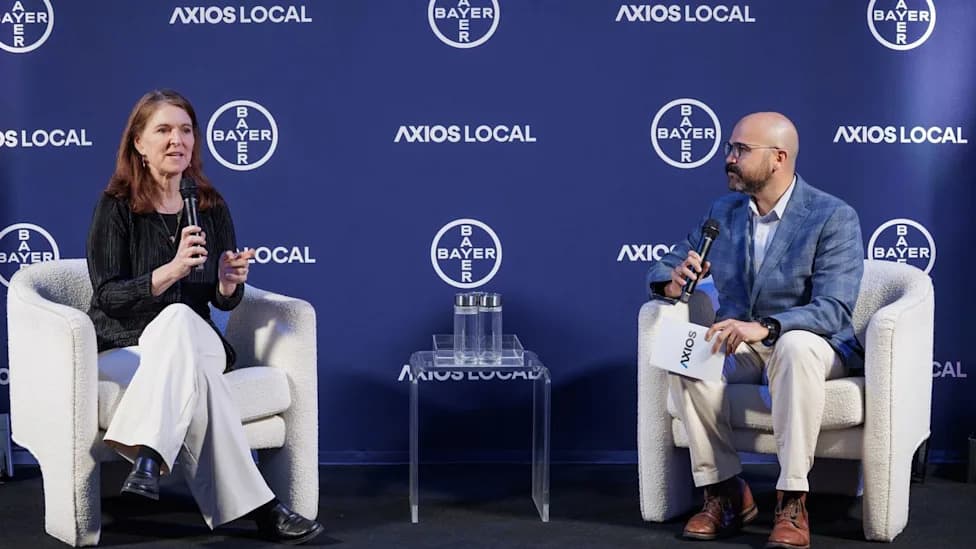
At ECRD 2026 in Prague, experts warned that the "diagnostic odyssey" for rare-disease patients averages about five years in Europe and that roughly 60% of patients are initially misdiagnosed. Aspire4Rare Diagnosis proposes an archetype-based framework that identifies seven recurring diagnostic challenges to help clinicians, policymakers and funders respond more effectively. Delegates argued that fragmentation of expertise and data, not lack of scientific knowledge, is the primary barrier and urged networked diagnostic centres and stronger European Reference Networks. IHI RealiseD promotes richer data collection, non-parametric methods and synthetic control arms for trials, and calls for early agreements among developers, regulators and HTA bodies.
ECRD 2026: Solving the Rare Disease Maze — From Diagnostic Odysseys to Smarter Trials
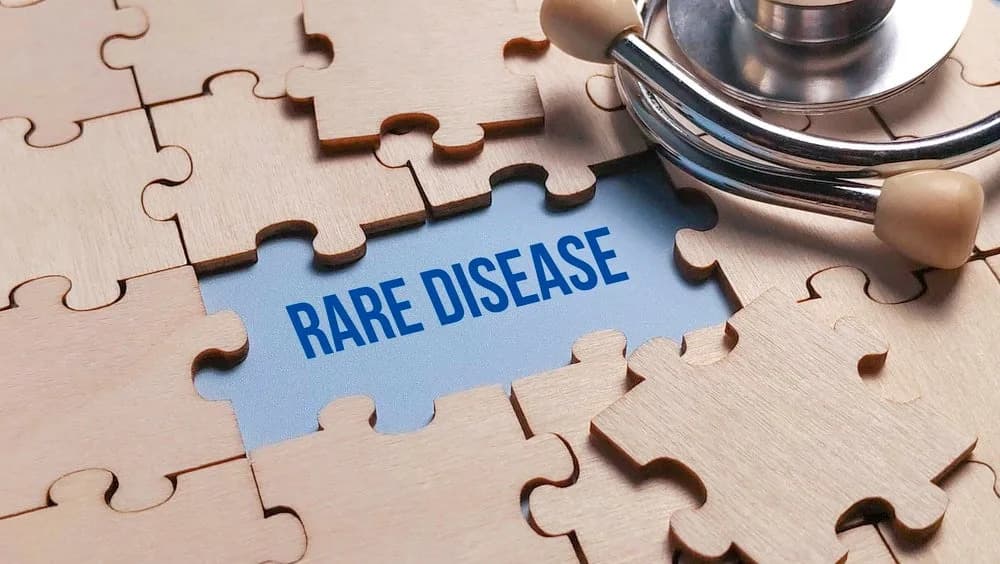
The 13th European Conference on Rare Diseases and Orphan Products (ECRD) in Prague, 3–4 June 2026, highlighted how fragmentation — not lack of science — is the biggest barrier to timely diagnosis and effective development of therapies for rare diseases. Experts outlined practical frameworks and collaborative trial designs intended to shorten the diagnostic odyssey and extract more value from small patient cohorts.
Diagnosis: The Long, Fragmented Journey
The phrase “diagnostic odyssey” captures the years many patients spend moving from first symptoms to a confirmed diagnosis. Speakers at ECRD reported an average interval of about five years in Europe and noted that roughly 60% of patients receive an initial incorrect diagnosis.
Dr. Holm Graessner, Managing Director of the Centre for Rare Disease at University Hospital Tübingen and co-chair of the Aspire4Rare Diagnosis Expert Group, introduced Aspire4Rare Diagnosis, an archetype-based framework that maps seven recurring patterns of diagnostic obstacles. These are:
- Awareness and referral gaps
- Uneven access to diagnostic technology and specialist knowledge
- Social and psychosocial consequences of diagnosis
- The dynamic, non-linear nature of many rare conditions
- Economic and financial burdens on patients and systems
- Insufficient standardisation across pathways
- The need for research to unlock answers and feed clinical practice
The framework aims to turn complexity into recognisable, repeatable situations so that non-rare-disease clinicians, policymakers and funders can identify and act on common problems. One speaker likened the odyssey to a maze, noting that some patients — because of geography or finances — may never find the entrance.
From Fragmentation To Networked Solutions
Delegates argued that decades of genomic and diagnostic advances have produced abundant knowledge, but expertise and data remain scattered. Proposed remedies include the development of high-end, networked diagnostic centres and strengthened European Reference Networks (ERNs) — not to replace ERNs, but to empower them. Digital tools should be used to direct patients to the right centres, not to replace clinical judgment. Systems should shoulder the cognitive load required to recognise thousands of rare conditions rather than expecting individual clinicians to memorise them.
Speakers stressed that the framework’s strongest value is as a shared language that bridges clinical, social, economic and policy domains. The central problem now is not knowing what to do — it is implementing solutions at scale.
Drug Development: Faster Innovation, Harder Evidence
Drug developers have made rapid progress: the number of orphan drugs has more than doubled in the past decade, and orphan medicines now account for roughly one-third of the pharmaceutical pipeline thanks to genomics and targeted therapies. Yet conventional clinical trials remain a poor methodological fit for many rare and ultra-rare diseases because of small, dispersed patient populations and high heterogeneity.
Danielle Dong, ScM CGC, Global Medical Scientific Advocacy Lead for Rare Diseases at Sanofi, presented IHI RealiseD, a multi-stakeholder public–private partnership that seeks to improve trial design and evidence evaluation for rare conditions. Key RealiseD approaches include:
- Collecting repeated measurements and multiple endpoints from each participant to maximise information
- Using non-parametric and other statistical techniques to adjust for imbalance when randomisation cannot fully control for differences
- Constructing synthetic control arms from high-quality registry or historical data where placebo or standard comparators are infeasible
RealiseD also promotes early, structured dialogue among developers, regulators and health-technology-assessment (HTA) bodies so methodological choices are agreed before evidence generation, reducing later disputes about whether the evidence is fit for purpose. The initiative encourages collaboration among patients, clinicians, regulators and payers to align trial objectives with real-world needs.
Conclusion
Conference participants concluded that scientific advances have created many technical solutions, but successful delivery depends on reducing fragmentation, aligning stakeholders, expanding networked diagnostic capacity and adopting trial designs that extract maximal value from small cohorts. Early collaboration among developers, regulators and HTA bodies was highlighted as essential to turning methodological innovations into approved, reimbursed treatments.
Originally published by Pharmaceutical Technology (a GlobalData brand). This summary is for informational purposes and does not constitute medical or legal advice. Readers should consult relevant professionals before taking action based on this content.
Help us improve.