The World Health Organization warns Europe must strengthen protections against extreme heat as the continent warms faster than any other region. Hans Kluge said over 200,000 people have died from heat-related causes in the past four years and called heat a 'silent killer' that can be prevented with existing measures. New guidance presented in Berlin emphasises shielding older adults and other vulnerable groups while urging emissions cuts and expanded urban green space to reduce risks.
Europe Must Act Now to Shield Citizens From Extreme Heat, WHO Warns
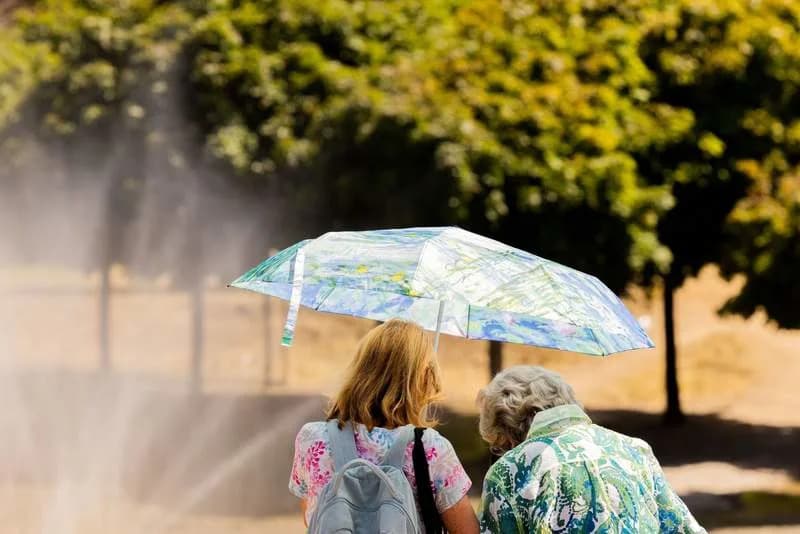
FILE PHOTO - Two women sit under an umbrella during a hot summer day in Cologne. (is associated with: «Europe must better protect citizens from heat, WHO says») Rolf Vennenbernd/dpa
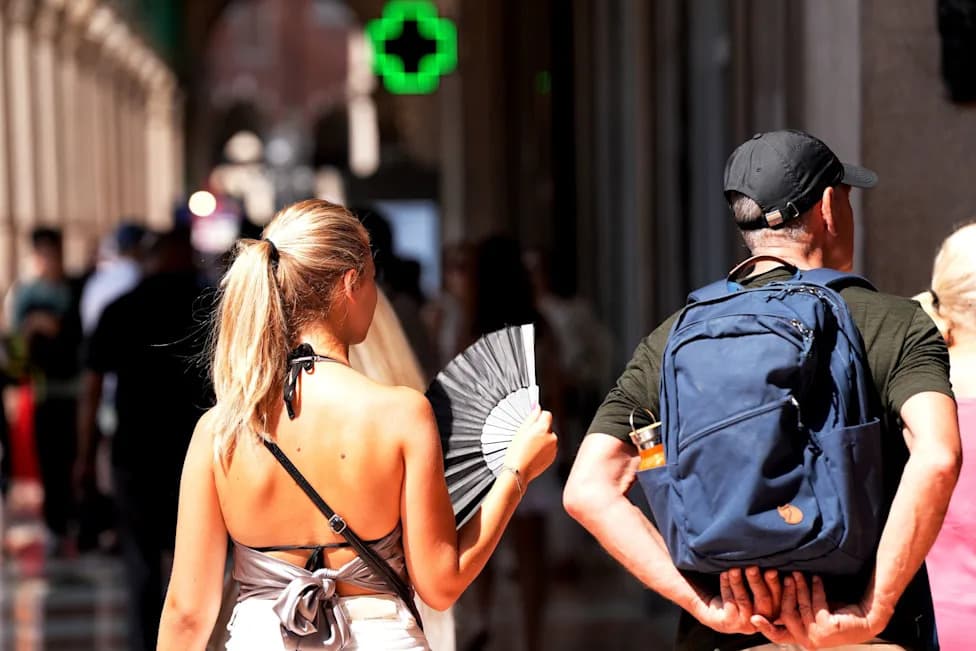
The World Health Organization has issued a stark warning that Europe needs stronger protection against extreme heat as the continent warms faster than any other region. WHO Regional Director for Europe Hans Kluge said more than 200,000 people across the region have died from heat-related causes in the past four years, and urged immediate action to prevent further loss of life.
Updated Guidance Presented in Berlin
Kluge unveiled updated guidance on heat protection at a German heat-action day in Berlin, speaking alongside German Environment Minister Carsten Schneider and Berlin Health Senator Ina Czyborra. The guidance emphasizes targeted measures to protect older adults and other vulnerable groups, and encourages governments and cities to scale up proven responses.
What Experts Recommend
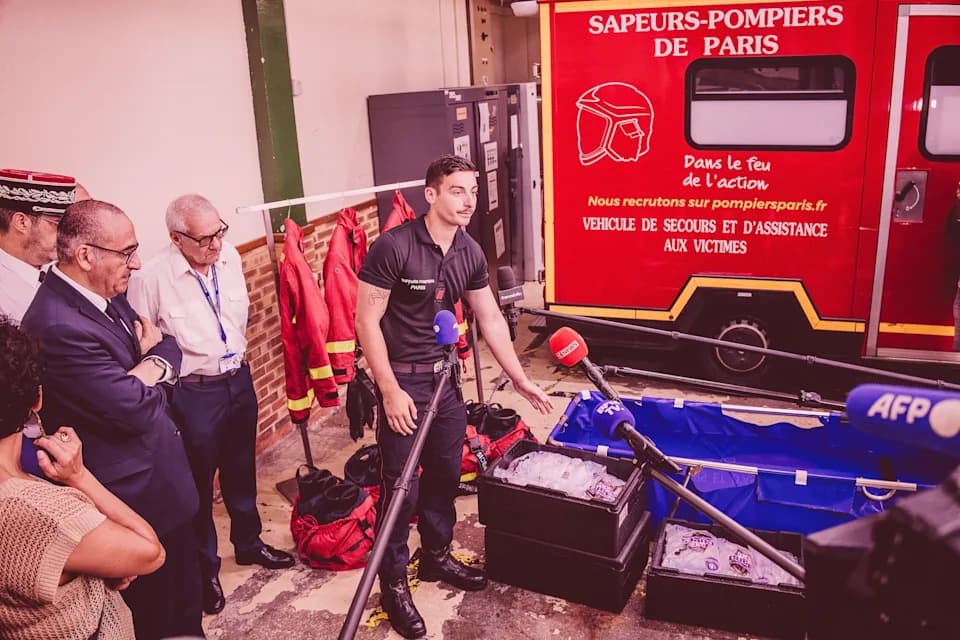
The WHO says many of the necessary tools already exist and should be deployed more widely. These include early warning systems, heat action plans, community outreach, cooling centers, improved housing standards and measures to reduce urban heat islands. Kluge described heat as a 'silent killer' that is largely preventable if authorities use the tools at their disposal.
'Heat is a silent killer that is preventable if Europe deploys the tools already available,' Hans Kluge said.
Heat as a Social and Urban Challenge
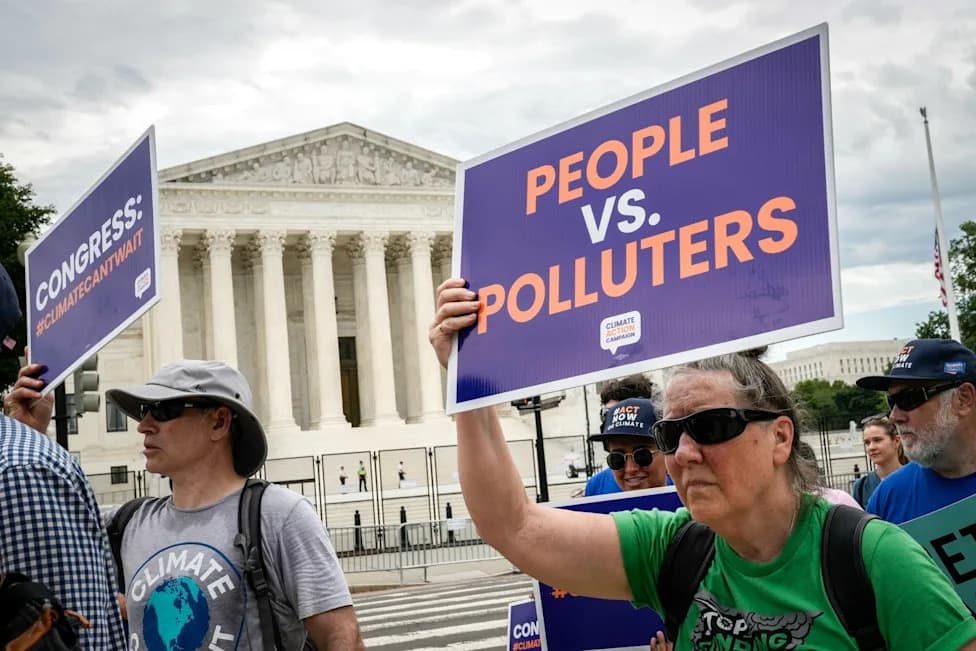
German Environment Minister Carsten Schneider framed heat protection as a social issue, noting that people who live in densely built urban areas or in overheated housing often struggle to escape extreme temperatures. He and other officials stressed that cutting greenhouse gas emissions and expanding urban green infrastructure — including trees, parks, rivers, forests and wetlands — can reduce temperatures and improve public health.
Health and Economic Consequences
Climate and health experts warn that rising global temperatures are producing more frequent, more intense and longer-lasting heatwaves. Older people and those with pre-existing health conditions are particularly at risk. According to the WHO, extreme heat is already driving higher rates of illness and premature death each year and causing economic losses that run into billions of dollars.
Authorities and communities are urged to combine immediate protective measures with longer-term climate action to reduce both the human toll and the economic burden of extreme heat.
Help us improve.