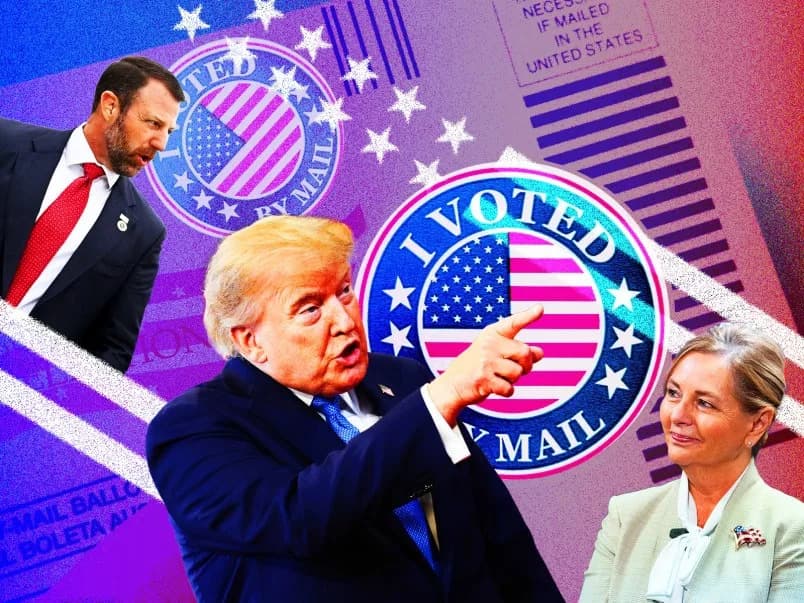
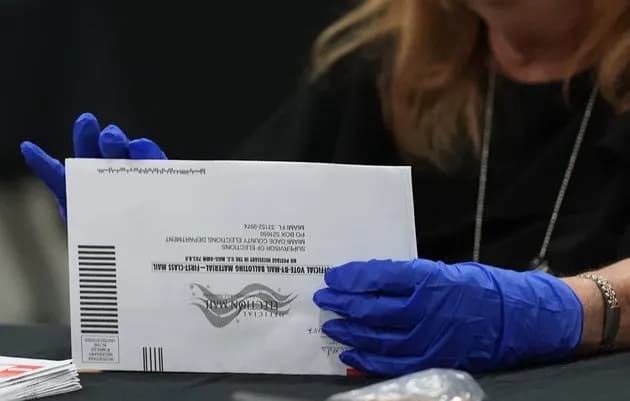
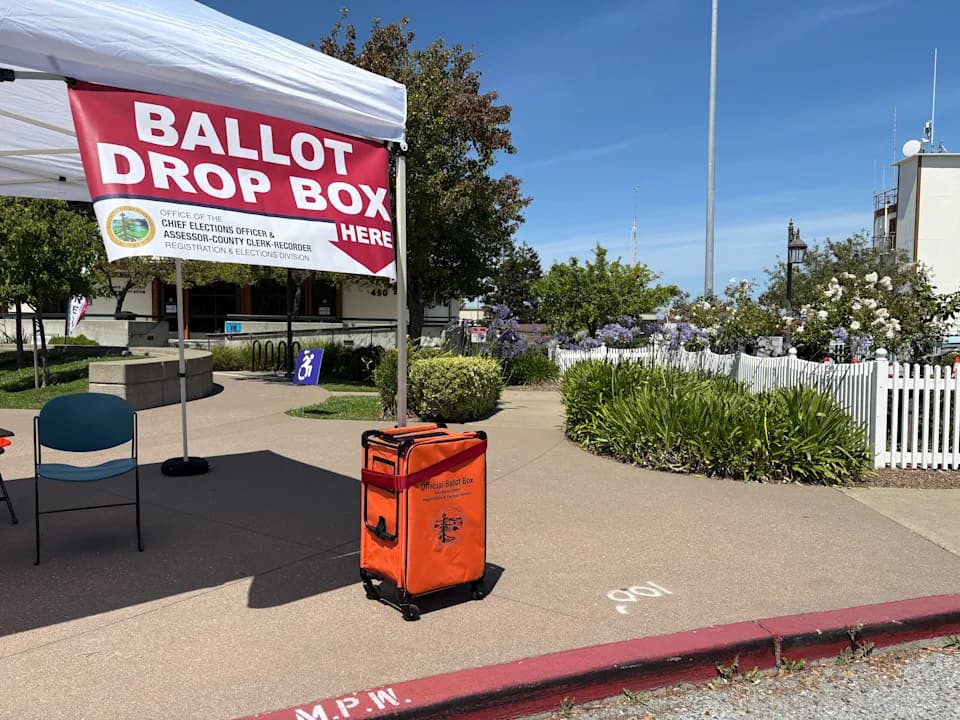
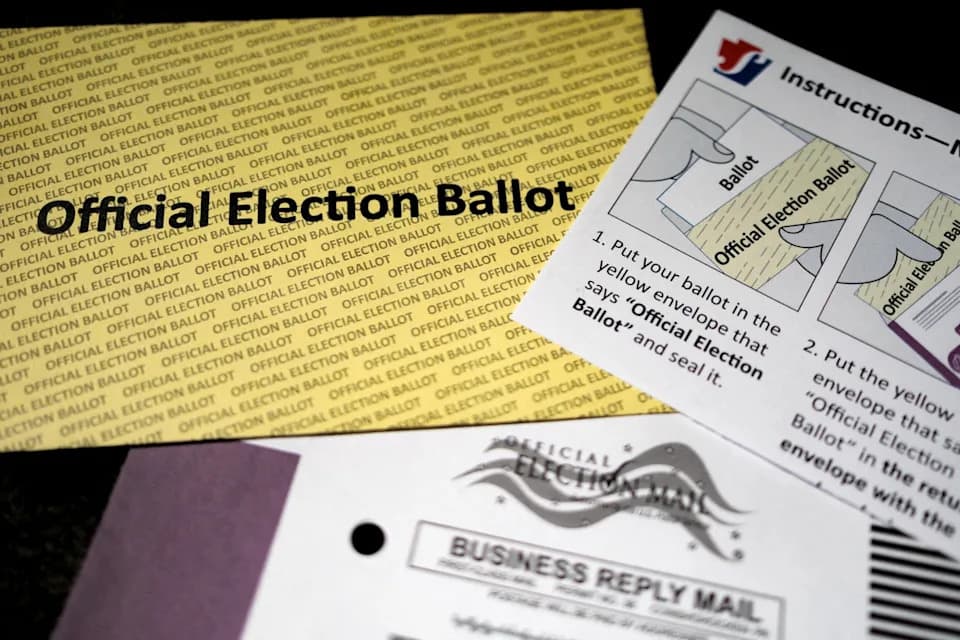
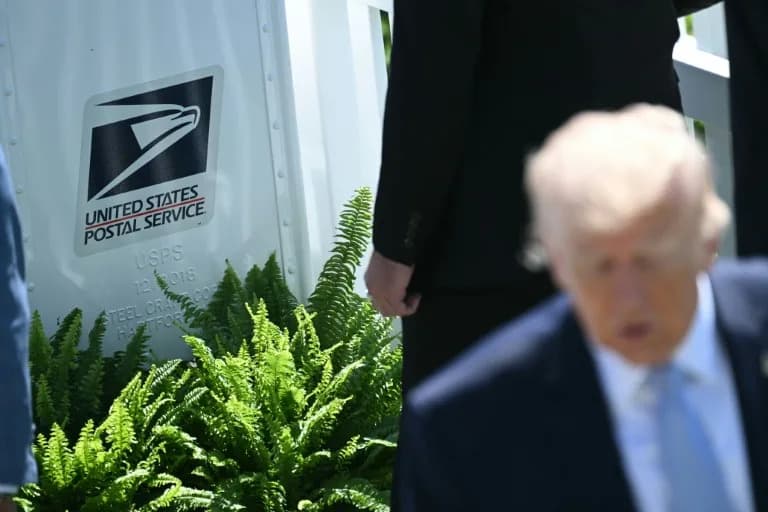
The Trump administration issued an executive order in March directing states to submit voter registration lists to the federal government so the U.S. Postal Service would mail absentee ballots only to those on the lists. Nearly two dozen Democratic-led states and the District of Columbia have sued, calling the measure unlawful federal overreach and election interference ahead of the midterms. State officials and the American Postal Workers Union warn the order could drastically curtail mail-in voting and raise federalism and privacy concerns.
States Sue Over Trump Order That Could Curtail Mail-In Voting
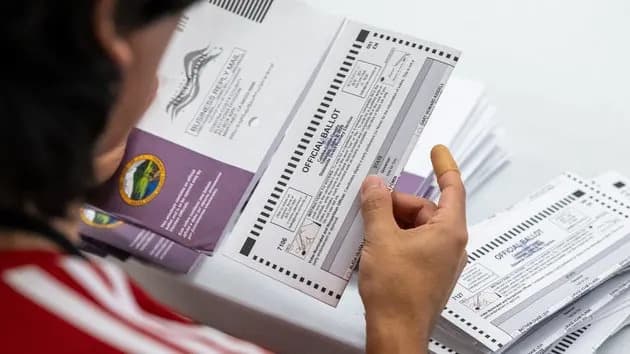
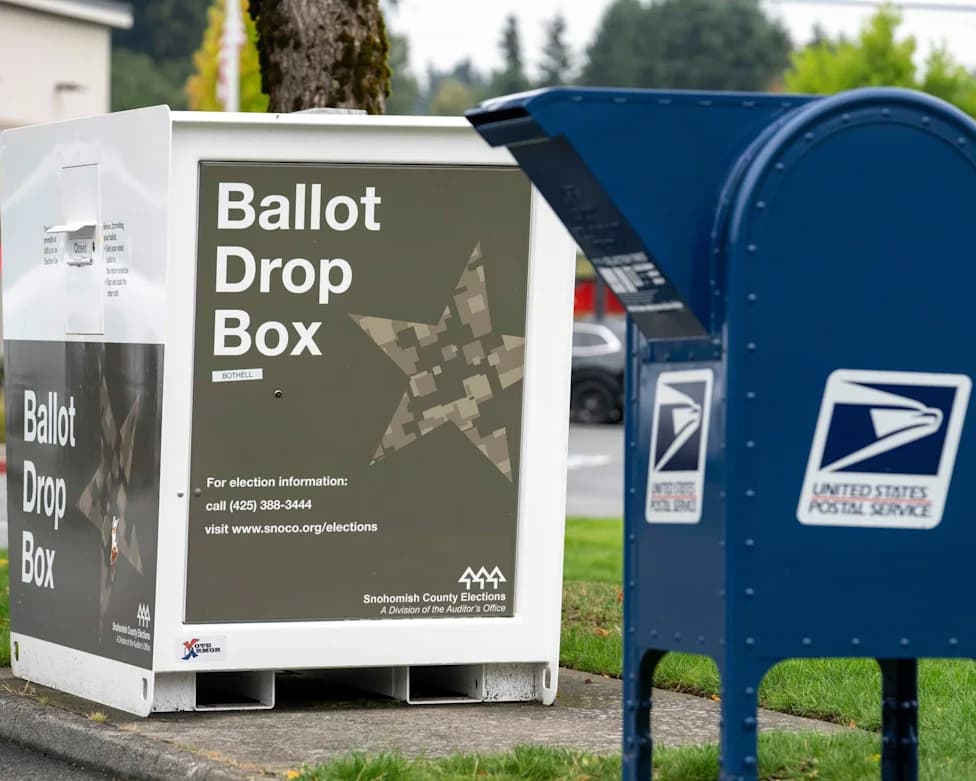
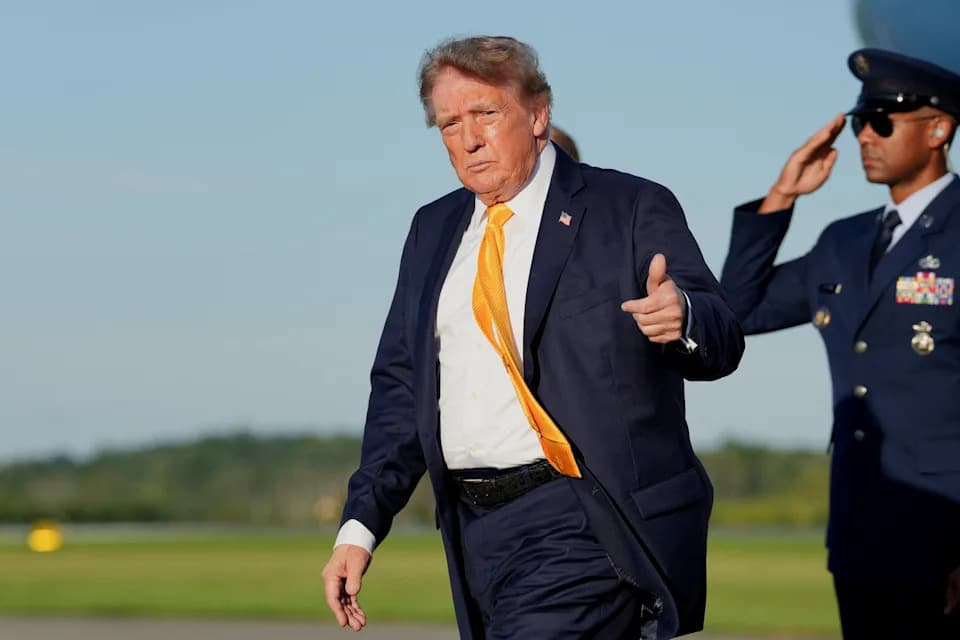
An executive order signed by President Donald Trump in March is drawing legal challenges from nearly two dozen Democratic-led states and the District of Columbia after directing states to hand over voter registration lists to the federal government so officials can decide who is eligible for absentee ballots.
What the Order Would Do
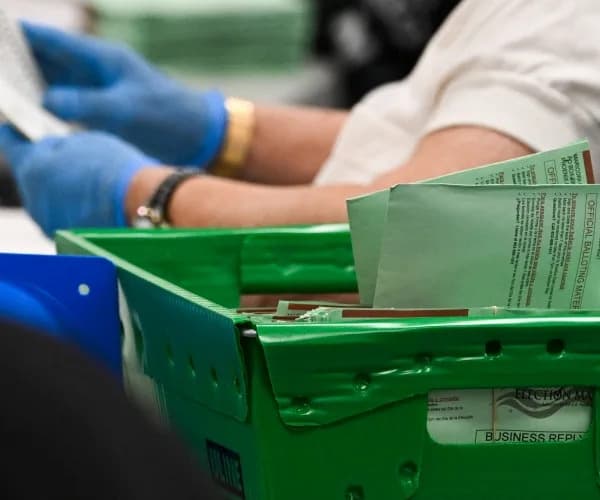
The directive requires states to compile lists of citizens the administration considers eligible to vote and submit those lists to the federal government. Under the order, the U.S. Postal Service would be authorized to mail absentee ballots only to people who appear on those federal lists.
Legal Challenges and Criticism
Several states and voting-rights advocates argue the order is illegal federal overreach and amounts to election interference ahead of the midterm elections. Plaintiffs say the order raises federalism and privacy concerns and could drastically reduce access to mail-in voting if states decline to comply.
Maine Secretary of State Shenna Bellows: "If the administration prevails, then you will see a virtual elimination of mail-in voting, unless the states supply voter lists to the federal government."
The American Postal Workers Union (APWU) condemned the order as "an unconstitutional attack on the millions of Americans who vote by mail and another front in an ongoing assault on voting rights in the United States of America."
Broader Context
The litigation comes as other politically charged stories circulate, including protests in Albania over a Kushner-linked resort and congressional action on a $70 billion immigration enforcement funding bill. The outcome of these suits could shape how states and the Postal Service handle absentee ballots in the upcoming elections.
What Happens Next: The courts will weigh the legal challenges in the coming weeks and months. A ruling could determine whether the federal government can require states to provide voter rolls for the purpose of restricting who receives mail-in ballots.
Help us improve.