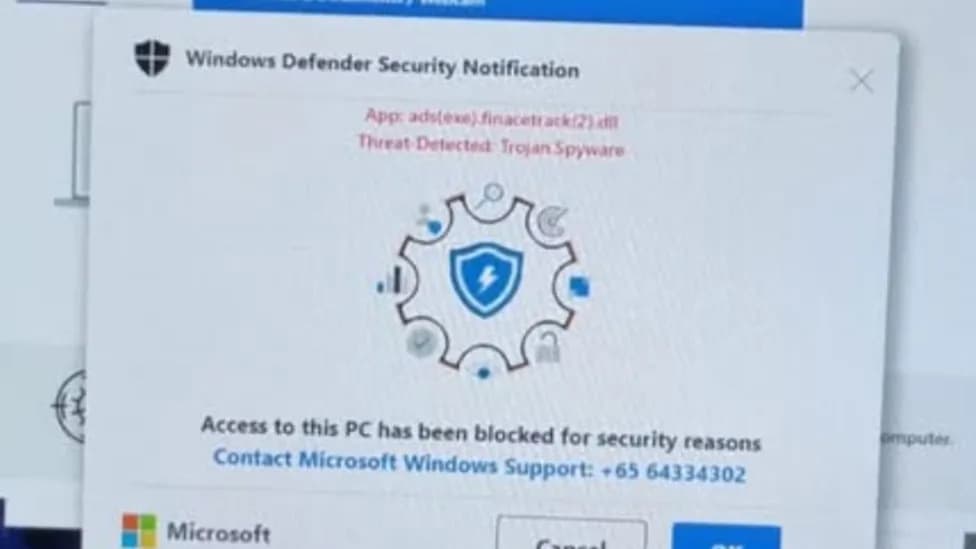
Store clerk Rose Crumbley stopped an 85-year-old woman from depositing $18,000 into a Bitcoin ATM after the victim received a text about alleged charges on her Apple account. Crumbley called 911 and police arrived before the transaction was completed, so no money was lost. Officials warn scammers often coach victims and direct them to cryptocurrency ATMs because transfers are irreversible; consumers should verify messages via official bank channels.
Store Clerk Foils $18,000 Bitcoin-ATM Scam, Saves 85-Year-Old Customer
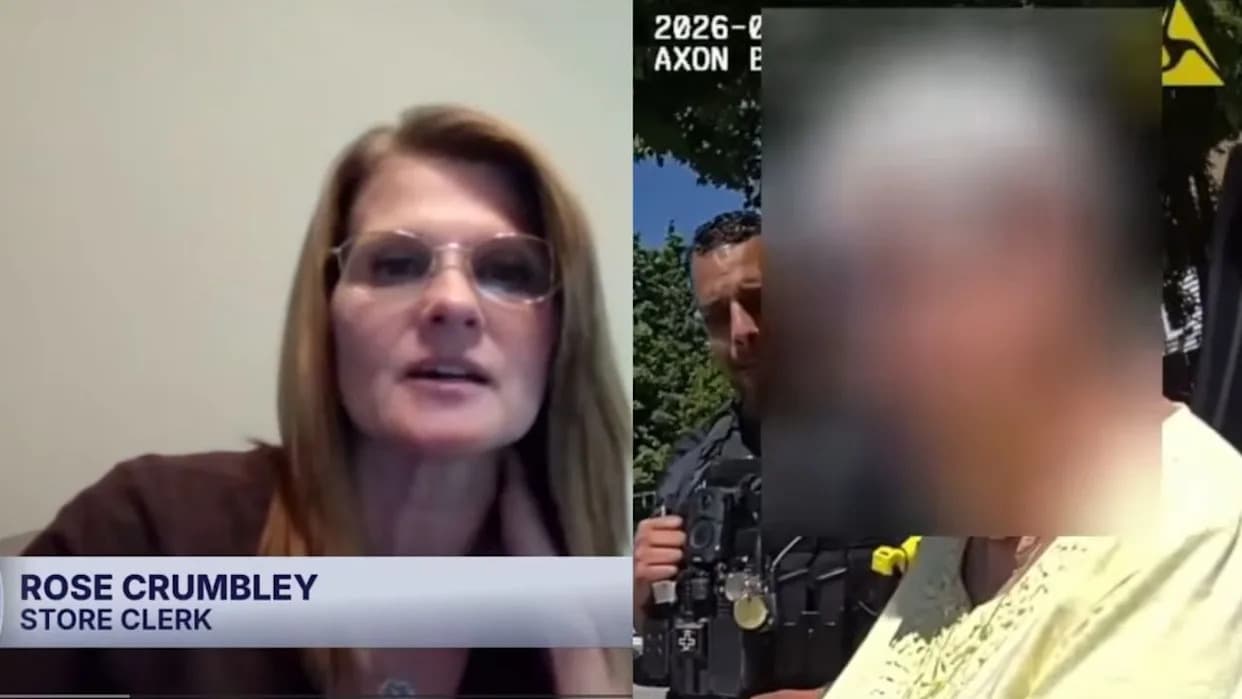
Image Credit: News 5 Cleveland/YouTube.
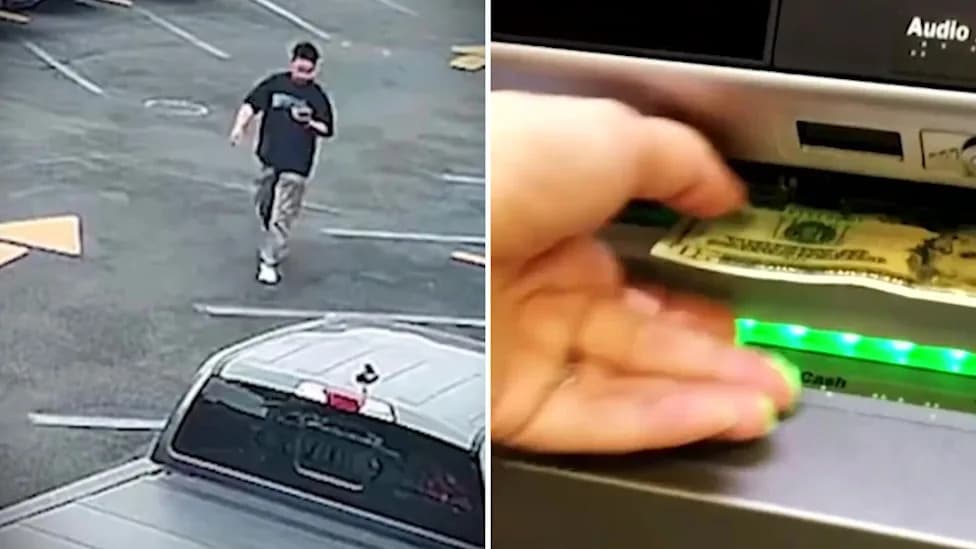
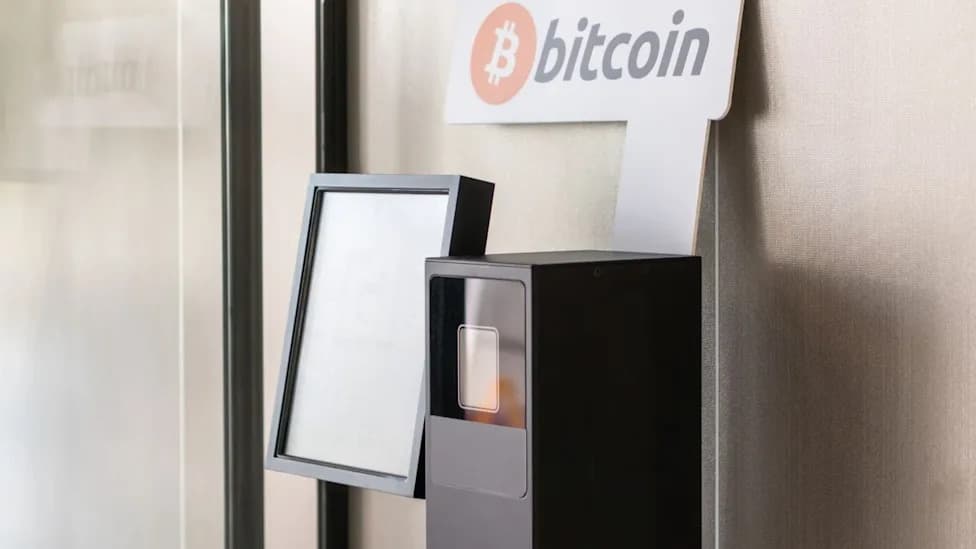
While stocking shelves in Westlake, Ohio, employee Rose Crumbley noticed an 85-year-old woman standing at a Bitcoin ATM with $18,000 in cash and still on the phone. The woman believed she was following instructions from her bank after receiving a text about supposed charges on her Apple account.
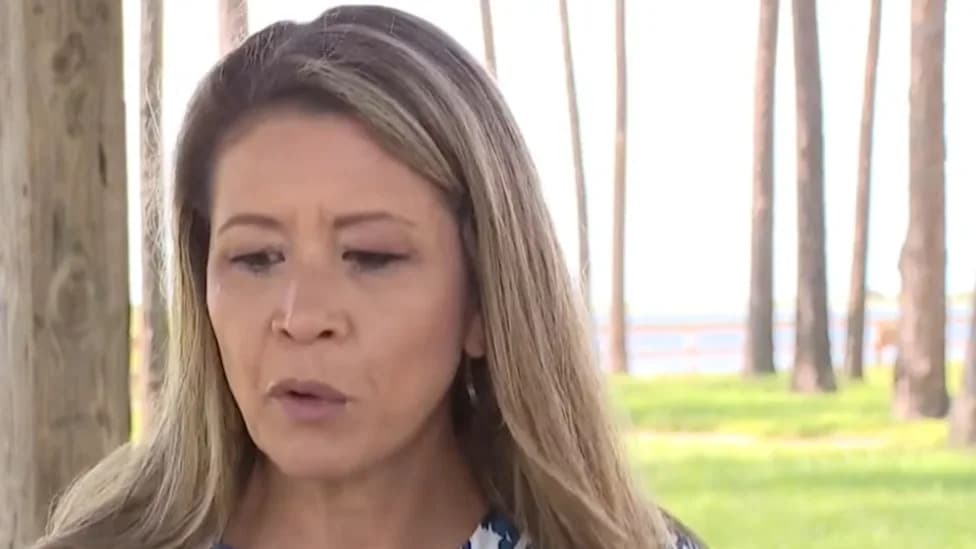
Crumbley stepped between the woman and the machine, called 911 and alerted police, telling them she had "a lady up here attempting to be scammed." Her quick action prevented the cash from being deposited; officers arrived before a transaction was completed and no money was lost.
How the Scam Worked
The woman told police she had received a text about alleged charges on her Apple account and had called the number included in the message. The callers posed as bank representatives, said they were helping cancel the charges, and instructed her to withdraw $18,000 in cash and deposit it into the Bitcoin machine. They also warned her not to tell anyone.
"Don’t say anything to anyone because then they’ll find out we’re checking on them and they won’t keep following through," the victim told officers, relaying the callers’ instructions.
Westlake Police Capt. Jerry Vogel told News 5 that scammers often prepare victims with scripts so the victim will appear credible when questioned by store staff or police: "Scammers feed them all this information because they know they’re going to get questioned."
Prevention and Warnings
Federal agencies and consumer advocates warn that cryptocurrency ATMs and QR-code payments are frequently used in scams because transfers are irreversible. The Federal Trade Commission and the FBI have both issued alerts about schemes that instruct victims to deposit cash into Bitcoin machines to "protect" funds or resolve fabricated account problems.
Ericka Dilworth, vice president of operations at the Cleveland Better Business Bureau, advised anyone who receives an unsolicited text about account charges not to call the number provided. Instead, verify suspicious messages by contacting your bank through official channels—such as the bank’s app, website, printed card number, or a customer service number listed on legitimate statements—or ask a trusted family member for help.
Crumbley said store employees watch for suspicious activity around the Bitcoin ATM and have stopped other attempted scams. The incident felt personal to her because a relative had been scammed previously: "We have to look out for each other, especially our seniors," she said.
The News 5 Cleveland segment, including footage of the incident, is available on YouTube under the title "Store clerk jumps in to help elderly woman, saves nearly $20K from being stolen." Authorities urge anyone who suspects they have been targeted to contact their bank directly and report attempted fraud to law enforcement and agencies such as the FTC.
Help us improve.