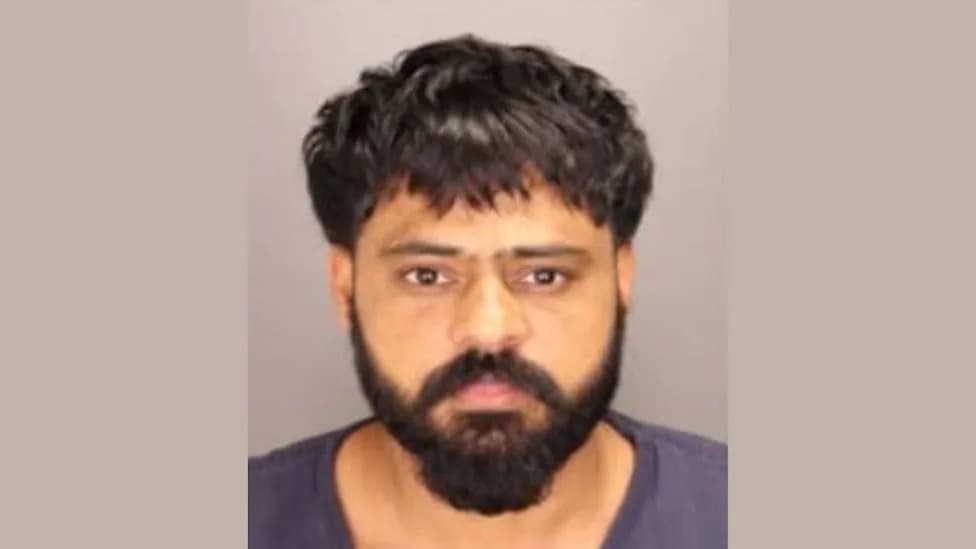
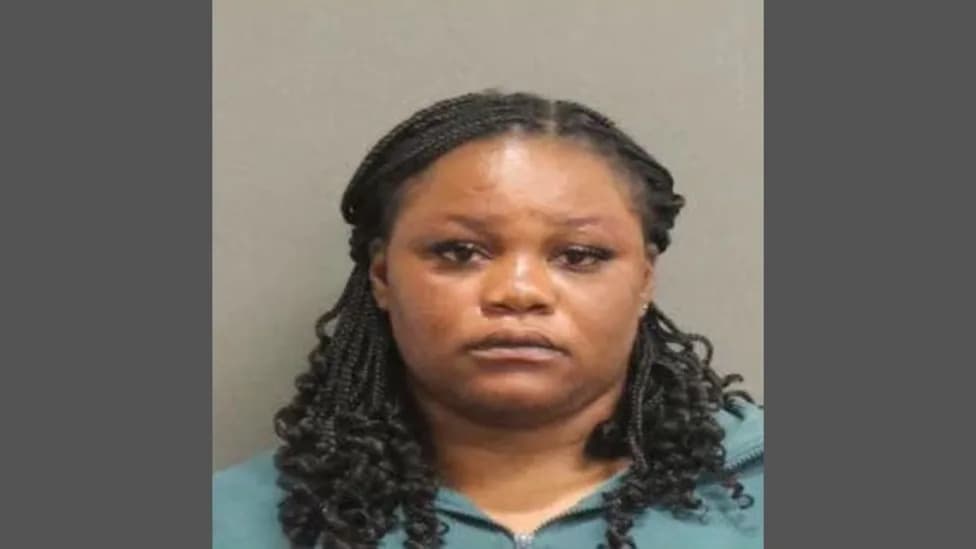
Narissa Jenkins received a convincing call that referenced a real federal jury summons and used the name of an actual Okaloosa County deputy. Callers spoofed the sheriff’s office number and demanded $25,000, directing her to a Bitcoin ATM at a Shell station. Jenkins saw a scam warning on the ATM, refused to pay, and went to the sheriff’s office, where the call was confirmed as fraudulent. Authorities urge people to hang up, verify claims using official numbers, and report scams to ReportFraud.ftc.gov.
Scammers Spoof Deputy, Send Woman With Real Jury Summons to Bitcoin ATM — $25,000 Demand Thwarted
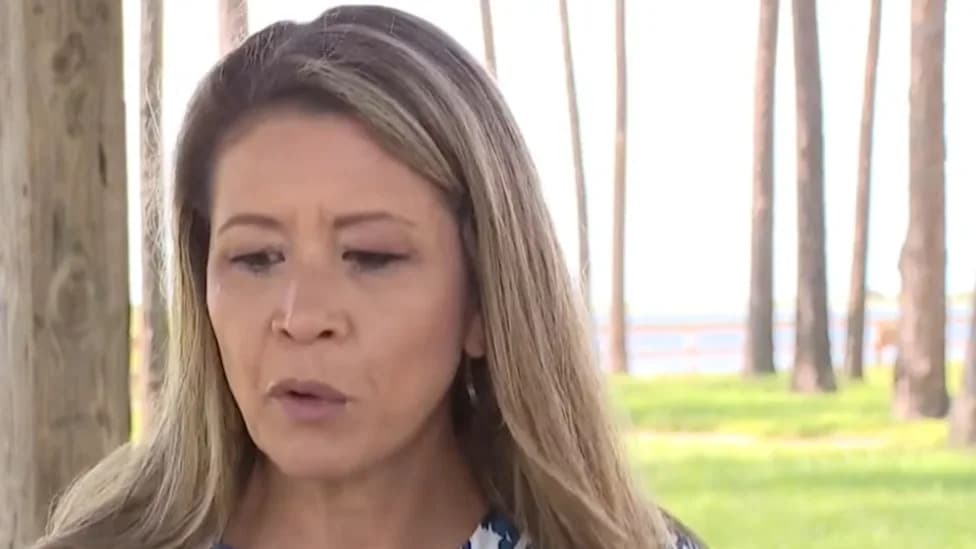
Image Credit: WEAR Channel 3 News/YouTube.
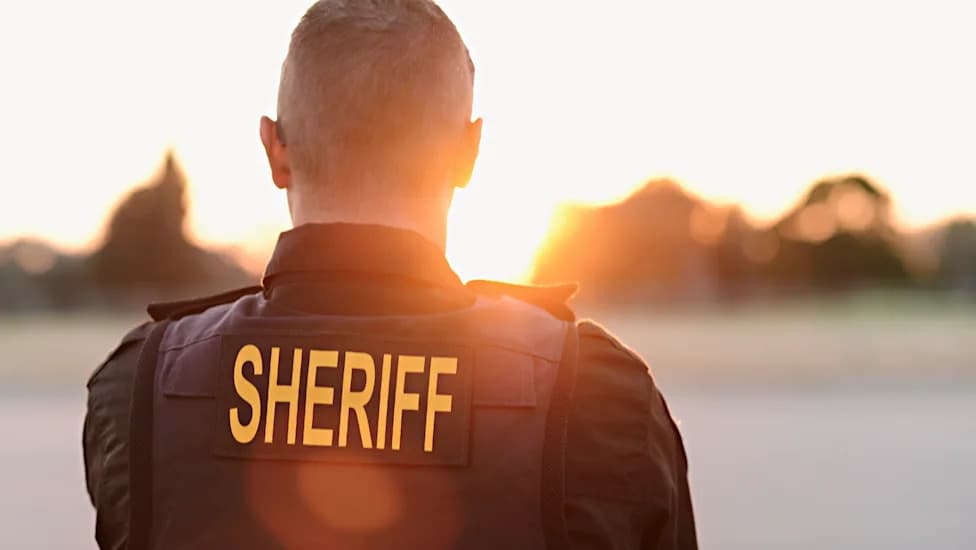
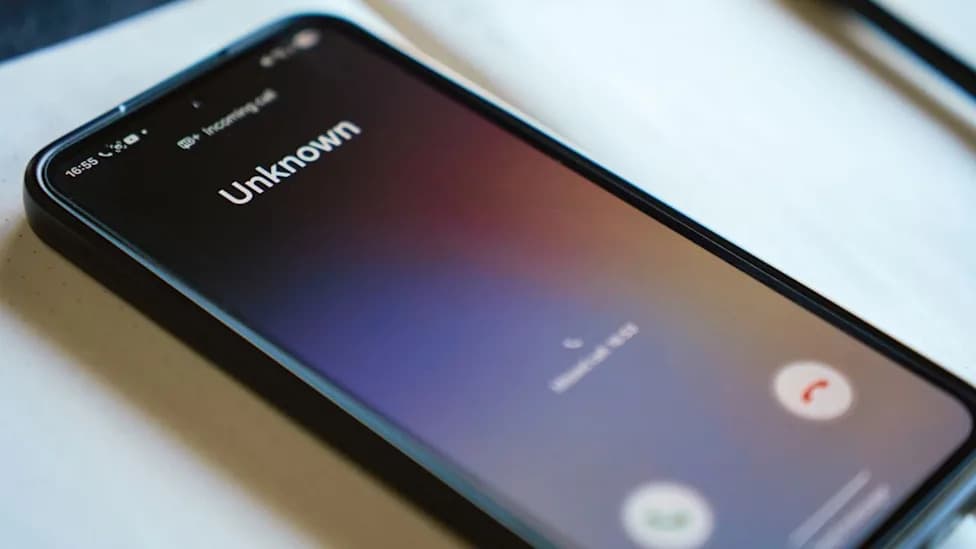
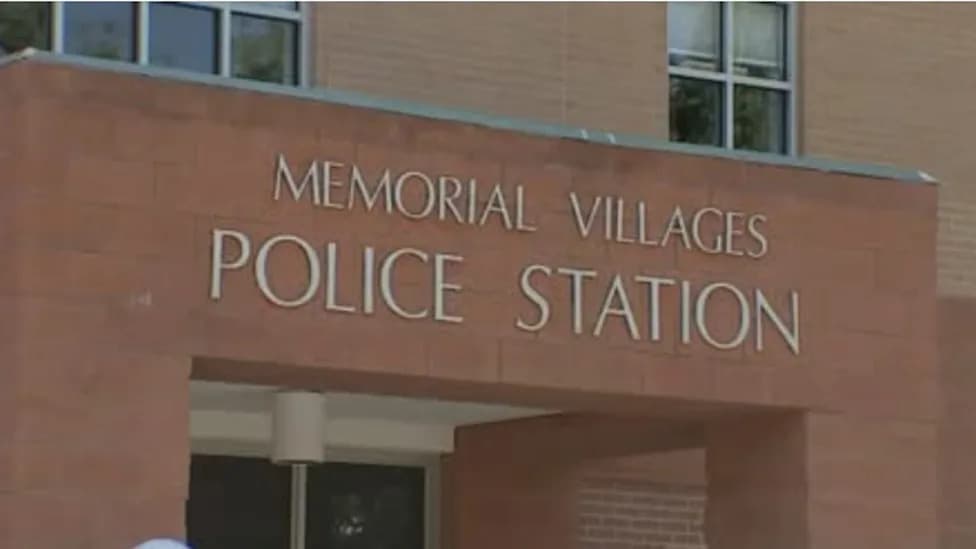
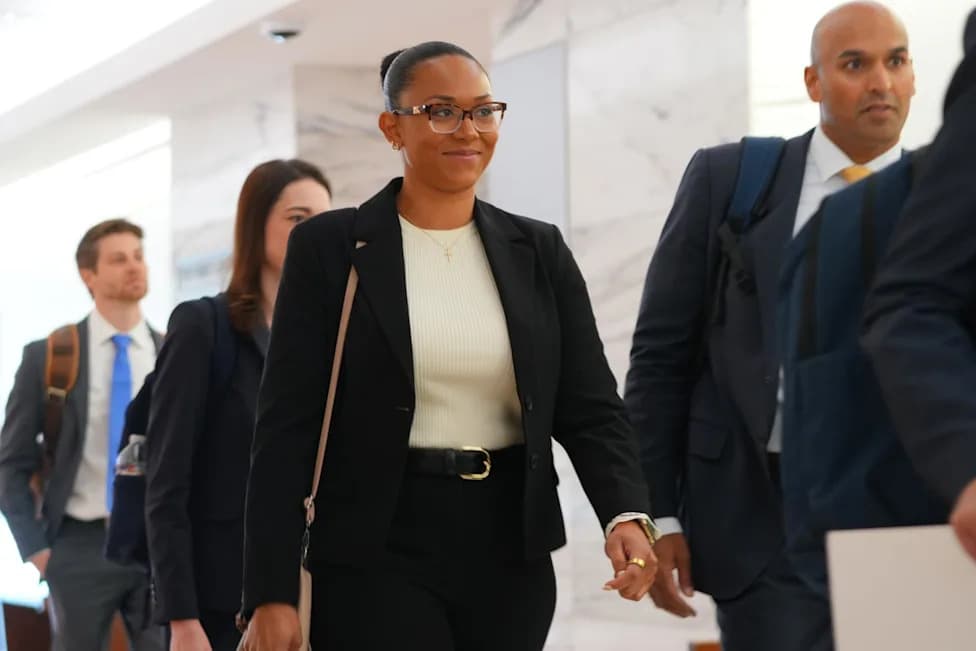
Narissa Jenkins nearly fell for a sophisticated jury-duty scam that targeted a real, mailed federal summons. Callers falsely claimed she had missed an August court date, identified themselves as an Okaloosa County deputy using the name of an actual officer, and spoofed the sheriff’s office phone number on her caller ID. They demanded a $25,000 payment and directed her to a Shell gas station where a Bitcoin ATM was presented as a "federally approved depository."
How the Scam Worked
The fraudsters exploited a genuine event in Jenkins’ life — she had received a federal jury summons for September — to make their story more convincing. When she questioned the call, the criminals arranged for a second incoming call to display the sheriff’s legitimate main number on her phone, reinforcing the illusion of authenticity. They urged her to ignore the ATM’s scam warning and complete a cryptocurrency payment immediately.
Why She Didn’t Lose Money
Jenkins heeded the ATM’s warning and declined to complete the $25,000 transaction. Rather than following the caller’s payment instructions, she drove directly to the Okaloosa County Sheriff’s Office and confirmed the call was fraudulent. No money was lost.
Official Warnings and Advice
Okaloosa County Sheriff Eric Aden said deputies will not call to say someone missed jury duty and then demand payment. He warned residents to hang up and contact official agencies directly if they receive such calls.
The Federal Trade Commission (FTC) notes that jury-duty impersonation scams often use personal information, official-looking documents and caller ID spoofing to intimidate victims. Courts do not demand payment over the phone, and legitimate law enforcement will not threaten to arrest someone for hanging up. Demands for payment via cryptocurrency, gift cards, payment apps or wire transfers are classic red flags.
How To Verify And Report
If you receive a jury-duty call, independently find the court clerk’s or law enforcement agency’s official phone number (do not use a number the caller provides) and verify the claim directly. Suspected scams can be reported to the FTC at ReportFraud.ftc.gov and to local law enforcement.
Note: Authorities say scammers are increasingly using technologies such as caller ID spoofing and, in some cases, artificial intelligence voice tools to make impersonation calls more convincing. Available reporting does not confirm that an AI-cloned voice was used in Jenkins’ case.
Help us improve.