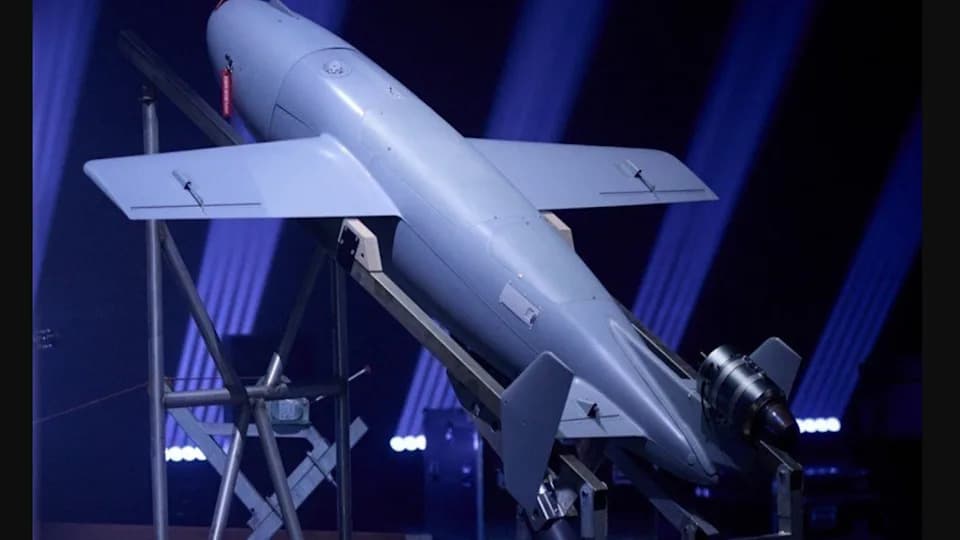
The CA-1EA is an AI-powered, fully autonomous unmanned jet developed by Helsing to jam enemy radar and protect allied missions. Helsing says the jet—targeted to be operational by 2031—will be built by Grob Aircraft in southern Germany and is promoted as a European alternative to U.S. systems. The program is part of Germany’s wider rearmament plans and ties into a €500bn fund intended to strengthen defence and transport infrastructure for NATO.
Germany Unveils AI-Powered Unmanned Jet to Jam Enemy Radar — CA-1EA Aims to Shield Allied Air Operations
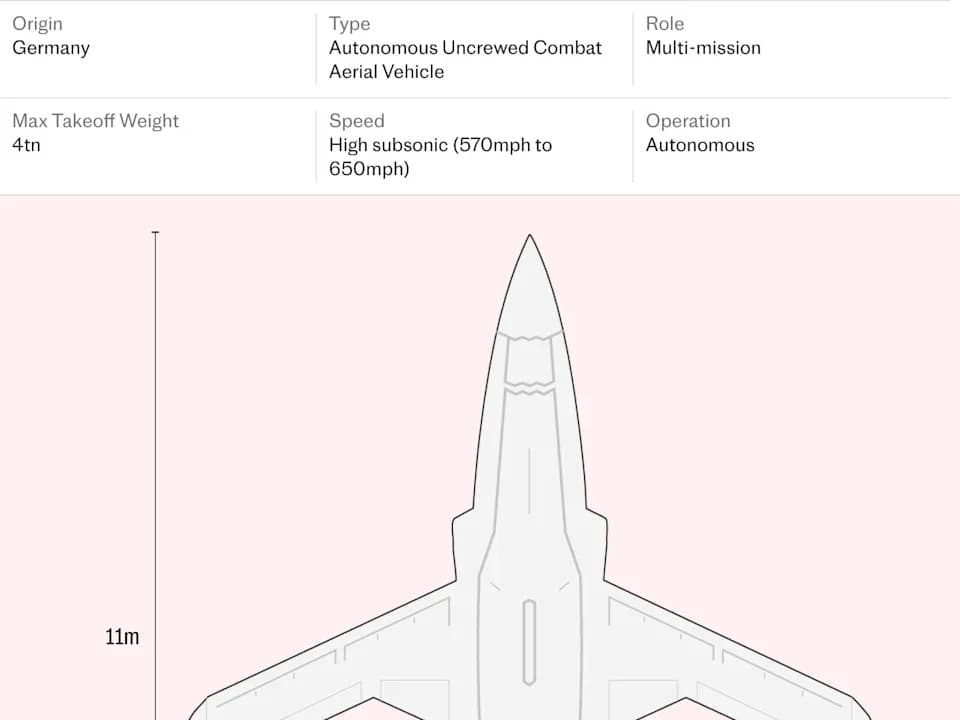
1106 CA-1 Europa
Germany’s defence firm Helsing has unveiled the CA-1EA, an AI-powered unmanned jet designed to disrupt and jam enemy radar systems and create protected corridors for allied aircraft and missions.
What the CA-1EA Does
The CA-1EA is described by Helsing as a fully autonomous electronic-warfare (EW) platform capable of operating without an onboard pilot. Its primary mission is to degrade or deny adversary radar and sensor networks from the air, reducing risk to manned platforms and enabling deeper, higher-risk operations.
Capabilities and Design
A Helsing spokesperson said the system is "AI-powered" and capable of autonomous mission execution, which the company says could allow it to operate inside contested airspace without exposing pilots to capture. The platform is positioned as a flexible, standalone EW asset that can be deployed in support of air and ground forces.
"Modern air forces cannot do without electronic warfare. Helsing has been working to develop this capability for years," said Stephanie Lingemann, vice-president of Helsing's air domain division. "The CA-1EA is the result: an unmanned system that can be deployed flexibly as a standalone platform for electronic warfare."
Timeline, Production and Strategic Role
Helsing says the CA-1EA is targeted to be operational by 2031 and will be manufactured by Grob Aircraft at facilities in southern Germany. The company is marketing the jet as "the only truly European solution being offered to German and allied air forces," framing it as part of efforts to reduce dependence on U.S. defence systems.
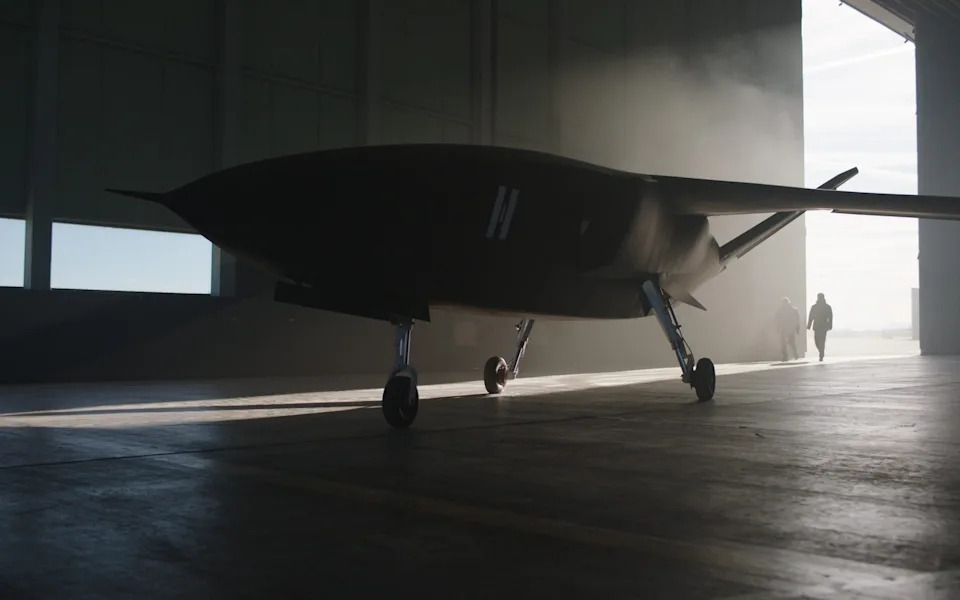
Helsing’s CA-1EA, an unmanned fighter jet, will be ready in 2031 - Helsing
German officials and Helsing expect the CA-1EA to become a key element of Berlin’s rearmament drive, which seeks to transform the Bundeswehr into a leading conventional force in Europe by the mid-2030s. Chancellor Friedrich Merz approved reforms last year that allow expanded defence spending and created a €500bn special fund intended for infrastructure and strategic investments that would also support NATO logistics in the event of a conflict.
Regional Context and Related Projects
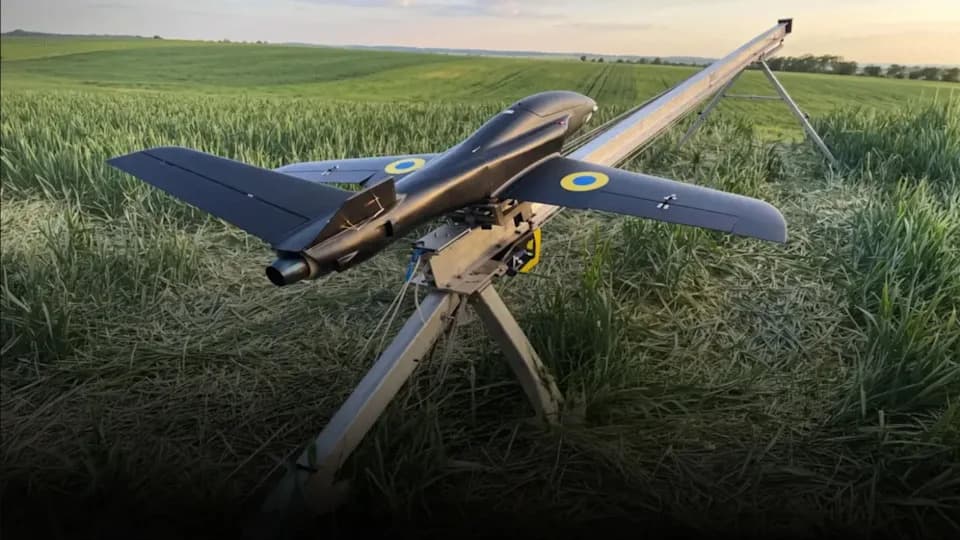
Electronic warfare has emerged as a priority for NATO after years of investment by Russia and intensified use of EW on the Ukraine battlefield to degrade air defences and interfere with drones. Ukraine has developed countermeasures such as the Parasol system to jam hostile drone signals in frontline situations.
Recent incidents — including a May episode in which a Royal Air Force jet reported signal interference near the Russian border — have prompted renewed debate in the UK about bolstering EW capabilities. Helsing is already engaged in other unmanned projects for allied partners: earlier reporting noted the firm is developing underwater drones for Britain, and its SG-1 unmanned gliders, built at a Plymouth factory, can patrol UK waters for extended periods.
Outlook: If delivered on schedule, the CA-1EA would add a dedicated European electronic-warfare asset to NATO’s toolkit, expanding options for protecting allied air operations and imposing new costs on adversary sensor networks.
Help us improve.