Archaeologists have discovered a cluster of water reservoirs and port-related structures at medieval Aydhab on Egypt’s Red Sea coast. The largest basin measures roughly 15.10 × 3.15 × 3 meters and was built from sandstone and local coral, later sealed with limestone. Fatimid-era pottery and Chinese porcelain shards point to its role in international trade. Separate excavations at Ihnasya Al Madinah revealed cartouches of Senusret III, a Roman basilica later converted into a church, and a 6th-century Doric temple.
Ancient Water Systems and Port Complex Uncovered at Medieval Aydhab Near Egypt–Sudan Border
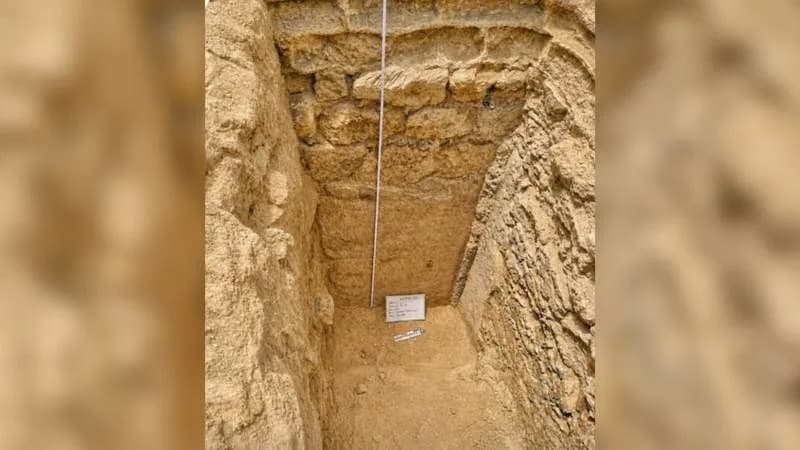
Water reservoir found at the ancient Red Sea port site of Aydhab in Egypt, June 9, 2026. (photo credit: EGYPTIAN TOURISM AND ANTIQUITIES MINISTRY)
Archaeological teams have uncovered a cluster of ancient water reservoirs and supporting service structures at the medieval port of Aydhab on the Red Sea coast, the Egyptian Tourism and Antiquities Ministry announced in late May. The find sheds new light on the infrastructure that supported long-distance trade and pilgrimage in the region.
Principal Reservoir and Construction
The largest reservoir measures approximately 15.10 meters long, 3.15 meters wide and about 3 meters high, according to Dr. Zia Zahran, head of Egypt’s Islamic, Coptic and Jewish Archaeological Sector. Built from sandstone and local coral, the basin was lined with limestone to act as a sealant, preventing leakage and preserving stored water. Archaeologists noted similar construction techniques in additional reservoirs uncovered to the south of the main find.
Port Complex and Operations
Survey work also exposed foundations of adjacent residential buildings, watchtowers and service facilities. Dr. Zahran said these remains point to an "integrated system to manage the port and meet the needs of pilgrims and merchants who have come to it for centuries," underlining Aydhab’s long-term logistical role on the Red Sea trade routes.
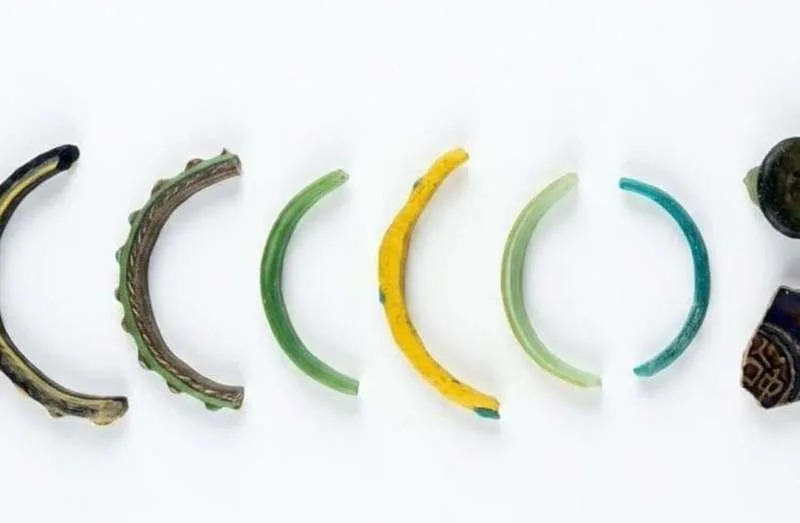
Chinese porcelain discovered at the ancient Red Sea port site in Egypt, June 9, 2026. (credit: EGYPTIAN TOURISM AND ANTIQUITIES MINISTRY)
Trade Connections
Excavations recovered pottery fragments dating to the Fatimid Caliphate (10th–12th centuries CE) alongside shards of imported Chinese porcelain, evidence that Aydhab functioned as a node in extensive international trade networks linking Egypt with the wider Indian Ocean world.
Related Discoveries at Ihnasya Al Madinah
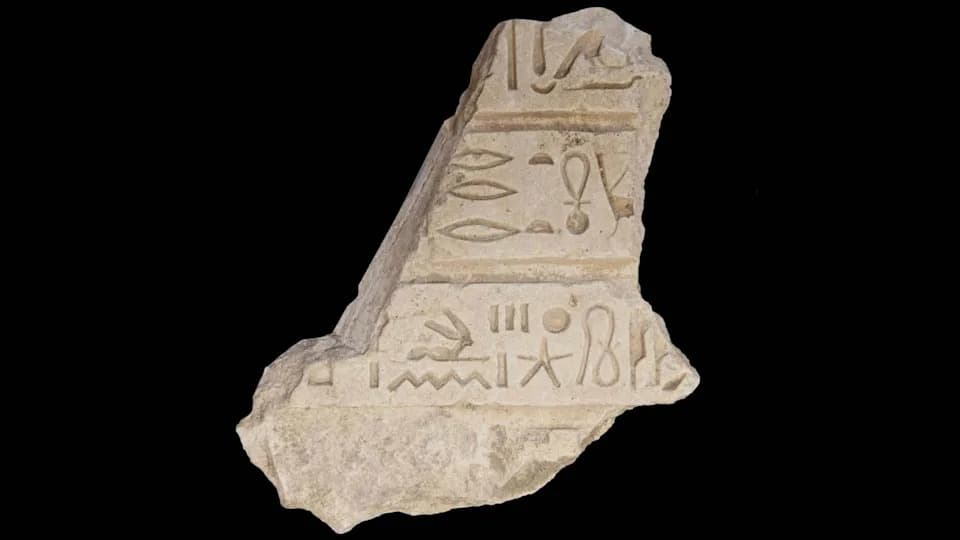
In parallel excavations on the Nile’s left bank at Ihnasya Al Madinah (ancient Heracleopolis), archaeologists unearthed artifacts spanning Egyptian, Greek and Roman periods. Significant finds include a cartouche bearing the throne and birth names of Pharaoh Senusret III (12th Dynasty), and a second cartouche bearing the name Osir-Naref, a local form of the god Osiris. Hisham El-Leithy, Secretary-General of the Supreme Council of Antiquities, said the Senusret cartouche confirms the city's sacred status during the Middle Kingdom.
Teams also exposed the remains of a Roman basilica that originally served as a public building in the Ptolemaic period and was later converted into a church during the early Christian era. Investigators identified the ruins of a 6th-century Doric temple whose stones were partly reused in the basilica’s foundations and load-bearing columns; three columns remain in situ.
Significance
Tourism and Antiquities Minister Sherif Fathy described the discoveries as evidence of how advanced the infrastructure of ancient Egyptian ports could be, emphasizing the ministry’s renewed focus on excavations in border and remote regions because of their historical and cultural importance.
Note: Finds are subject to ongoing study and conservation. Further publications from the excavation teams are expected to provide more detailed analysis and dating.
Help us improve.