England is rolling out stereotactic ablative radiotherapy (SABR) for low‑ and intermediate‑risk prostate cancer, cutting conventional courses from 20 sessions to five. NHS England expects all 48 radiotherapy centres to offer SABR within weeks, and modelling suggests about 3,500 eligible men may choose the option. Clinicians say the targeted, high‑dose treatment reduces exposure of healthy tissue and shortens recovery; trials continue to test use for higher‑risk cases.
NHS to Offer Five‑Session Precision Radiotherapy for Prostate Cancer as SABR Rolls Out to 48 Centres
[Getty Images]
Thousands of men in England with low- and intermediate‑risk prostate cancer will soon be offered a high‑dose, highly precise form of radiotherapy that reduces the usual 20 hospital visits to just five. NHS England has announced a national rollout of stereotactic ablative radiotherapy (SABR), a technique already used for some lung and brain cancers.
What Is SABR?
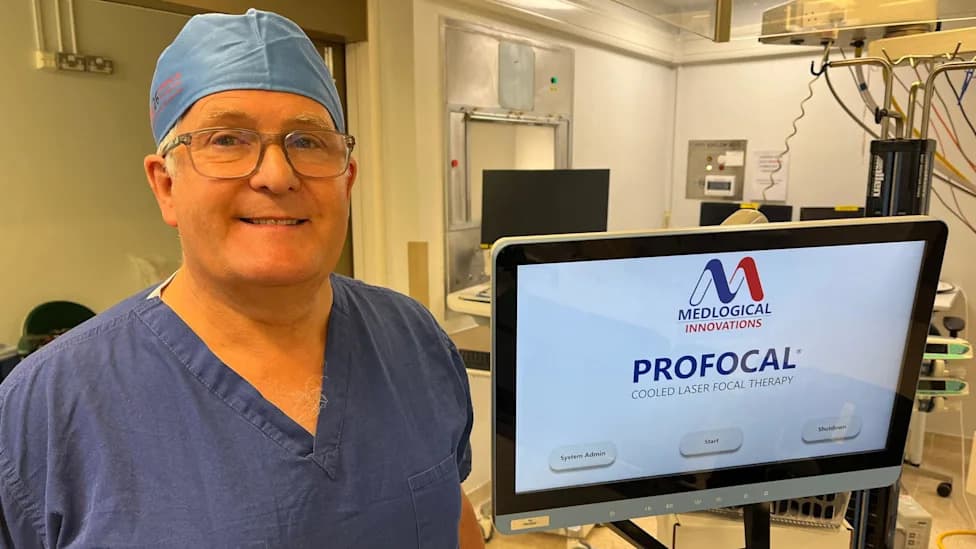
SABR (stereotactic ablative radiotherapy) delivers tightly focused, very high doses of radiation to a tumour while limiting exposure to surrounding healthy tissue. Because each dose is larger and more accurately aimed, treatment courses are much shorter than with conventional radiotherapy.
Who Will Be Eligible?
The initial rollout covers patients with low and intermediate‑risk prostate cancer outside clinical trials. Of about 55,000 men diagnosed with prostate cancer in the UK each year, roughly 17,500 fall into these risk groups. Modelling suggests around one in five of those eligible — approximately 3,500 men — may choose SABR when offered the option.
Expected Benefits and Uptake
Clinicians say SABR should reduce treatment‑related side effects by sparing healthy tissue and shorten recovery time by cutting 15 treatment sessions. NHS England expects all 48 radiotherapy centres across the country to offer the technique "within weeks." Uptake is likely to be moderated by the fact that many men with low‑risk disease opt for active surveillance rather than immediate treatment.
"This technology lets us focus a powerful and precise beam of radiotherapy directly on to the cancer, limiting the damage to healthy cells," said Professor Peter Johnson, national clinical director for cancer. "And the fact it can be delivered in 15 fewer doses will help men get back to living their lives far more quickly."
Amy Rylance of Prostate Cancer UK welcomed the news: "It's wonderful news that thousands of men in England will now have access to this revolutionary targeted radiotherapy," she said, adding that the shorter, targeted course will reduce the burden on patients and their families.
Trials and Next Steps
Clinical trials are already exploring whether SABR can be safely extended to patients with high‑risk prostate cancer. The charity and clinicians say they will continue to monitor outcomes closely as the treatment is offered more widely.
Patient Experience
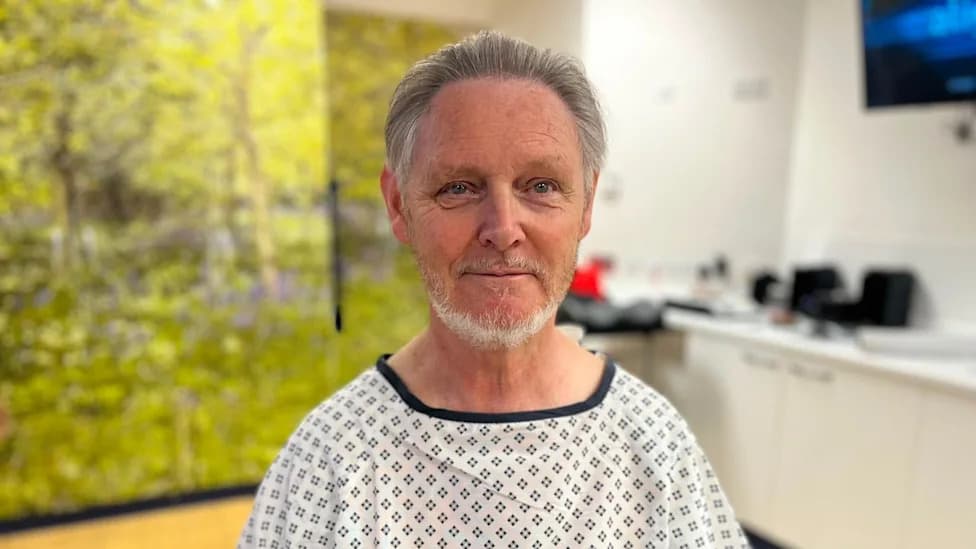
One trial participant, Edwin Lambert, 70, from Suffolk, was diagnosed in January 2025. After starting hormone therapy — which caused side effects including loss of libido, hot flushes, mood swings and fatigue — he received SABR to his prostate and nearby lymph nodes. He described the course as easier to cope with than standard radiotherapy and reported only a temporary increase in urinary frequency. Within five weeks he was well enough to take part in a planned archaeological dig.
"This treatment was an absolute godsend," Mr Lambert said.
What To Watch For: Shorter treatment schedules may reduce time off work, travel burden and cumulative side effects for many patients, but individual suitability will be assessed by clinical teams. Ongoing trial results will guide future expansion of SABR to higher‑risk groups.
Help us improve.