Squadron Leader Terry Hilliard, who has died aged 93, was the Canberra pilot who penetrated the mushroom cloud of an 800‑kiloton British hydrogen bomb during Operation Grapple Z in 1958 to collect radioactive samples. He flew combat operations in Malaya and the Suez crisis, later served as a flying instructor and on V‑bom bers in strategic reconnaissance. After leaving the RAF in 1969 he ran businesses in the UK and Australia and contributed to the Wings Museum exhibit Into the Atom.
RAF Squadron Leader Terry Hilliard, 93, Who Flew Canberra Through H‑Bomb Mushroom Cloud, Dies
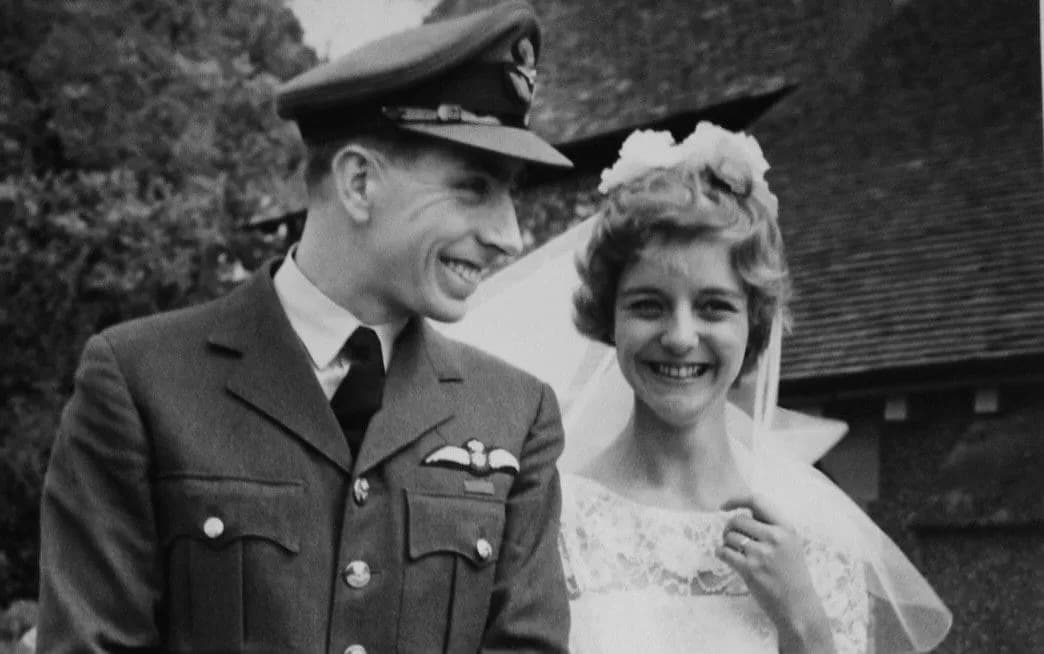
Terry Hilliard on his wedding day in 1959
Squadron Leader Terry Hilliard, who has died aged 93, was an RAF pilot best known for flying his Canberra jet into the mushroom cloud of an 800‑kiloton British hydrogen bomb during Operation Grapple Z in 1958 to collect airborne radioactive samples. His long career also included combat sorties in Malaya and the Suez crisis, instructor duties and service on strategic reconnaissance V‑bombers.
Operation Grapple Z: Sampling a Thermonuclear Cloud
In the summer of 1958 Hilliard was detached from 76 Squadron to Edinburgh Field near Adelaide for Operation Grapple Z, Britain’s follow-up tests to the initial thermonuclear trials on Christmas Island in 1957. Four tests were carried out that season: two balloon‑suspended devices and two dropped from Valiant bombers from about 45,000 ft. Hilliard flew on three Grapple Z sorties.
On 11 September 1958 he served as the primary “sniffer” for the device nicknamed Halliard, the second bomb released by a Valiant that day. He took off ahead of the bomber, climbed above 50,000 ft and — 36 minutes after the detonation of the 800‑kiloton weapon — penetrated the towering mushroom cloud. He spent roughly seven minutes in the turbulent plume while sensors and collection pods mounted on his Canberra’s wings gathered radioactive samples for later laboratory analysis.
After landing he released the collection pod in a controlled area, taxied to decontamination facilities and underwent the required decontamination procedures, which included cold showers and clothing changes for him and his two crew members.
Early Life and Military Career
Born on 6 June 1932 in Newport, South Wales, Hilliard left school at 16 to join the RAF as an apprentice at RAF Cranwell. He graduated as the senior apprentice, won the general service prize and was selected for pilot training. In 1952 he completed the Officer Cadet Training Unit with the sword of honour and commanded the guard of honour at the opening of the House of Keys, the Isle of Man’s parliament.
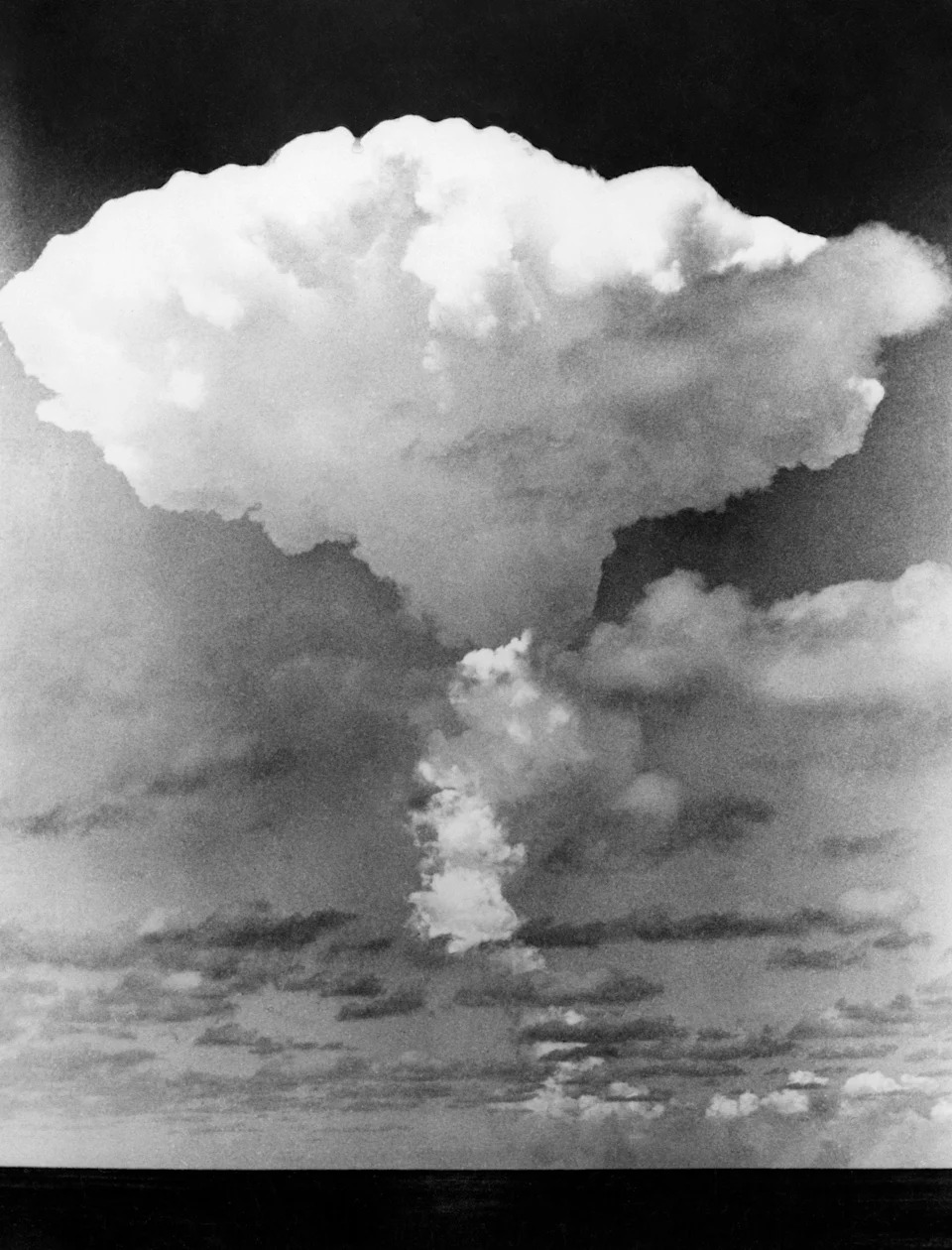
One of the 1957 Operation Grapple tests - Keystone-France
After pilot training in Canada, he joined 9 Squadron, flying the Canberra B2. He and his crew were part of the squadron team that won Bomber Command’s annual visual bombing trophy. In February 1956 the squadron deployed to Butterworth in Malaya, where Hilliard flew bombing operations against communist insurgents during Operation Firedog.
At the end of October 1956 the squadron moved to Malta to support British forces during the Suez operations. On 1 November he took part in a strike on the Egyptian airfield at Kasfareet. The squadron returned to the UK in mid‑December after the ceasefire.
Instructor, V‑Bomber Service and Later Life
Following his operational tours, Hilliard trained as a flying instructor and spent almost four years with the Oxford University Air Squadron, training undergraduates. Promoted to squadron leader, he converted to the V‑bombers — first the Valiant, then the Victor — and flew strategic reconnaissance with 543 Squadron before serving on staff at Bomber Command headquarters. He left the RAF in 1969.
In civilian life he qualified as an insurance broker and founded his own firm. After a decade in insurance he bought a small hotel in Southsea run by his family. He and his wife then returned to Australia, where they spent about ten years in Sydney running and investing in businesses, including a coffee shop near the Opera House. In 2002 the couple moved to Cyprus; they returned to England in 2011 and Hilliard later worked for an estate agent in Portsmouth, retiring in his mid‑80s.
Legacy and Family
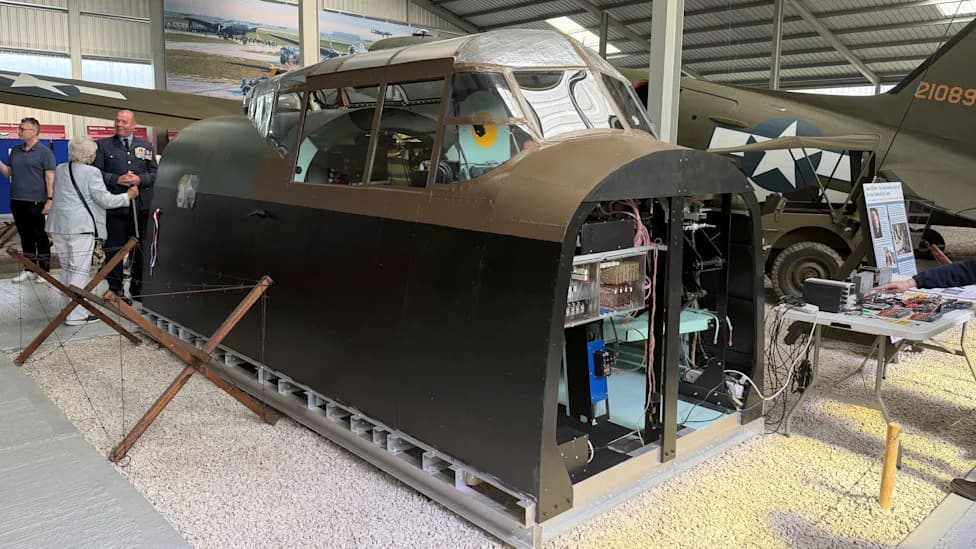
Two days after his death the Wings Museum opened the UK’s first in‑depth permanent exhibition on Cold War RAF nuclear cloud sampling, entitled Into the Atom. Hilliard had contributed a recorded account describing his experience flying through a thermonuclear cloud.
He married Sally in 1959; she predeceased him in 2018. He is survived by a son and two daughters. Terry Hilliard was born on 6 June 1932 and died on 24 April 2026.
Note: Operation Grapple’s success helped establish the United Kingdom’s early strategic nuclear deterrent, a role maintained by the RAF until responsibility transferred to the Royal Navy’s Polaris submarine force on 30 June 1969.
Help us improve.