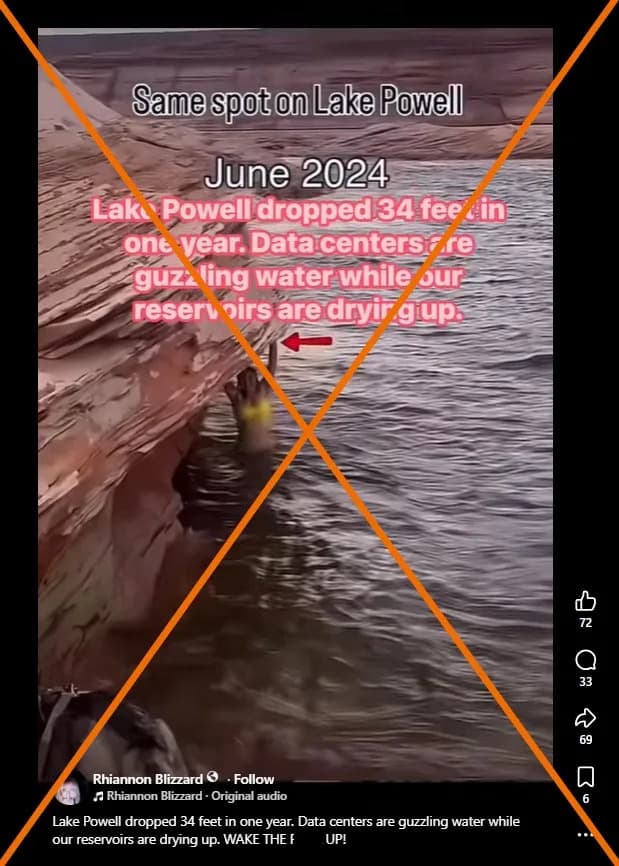
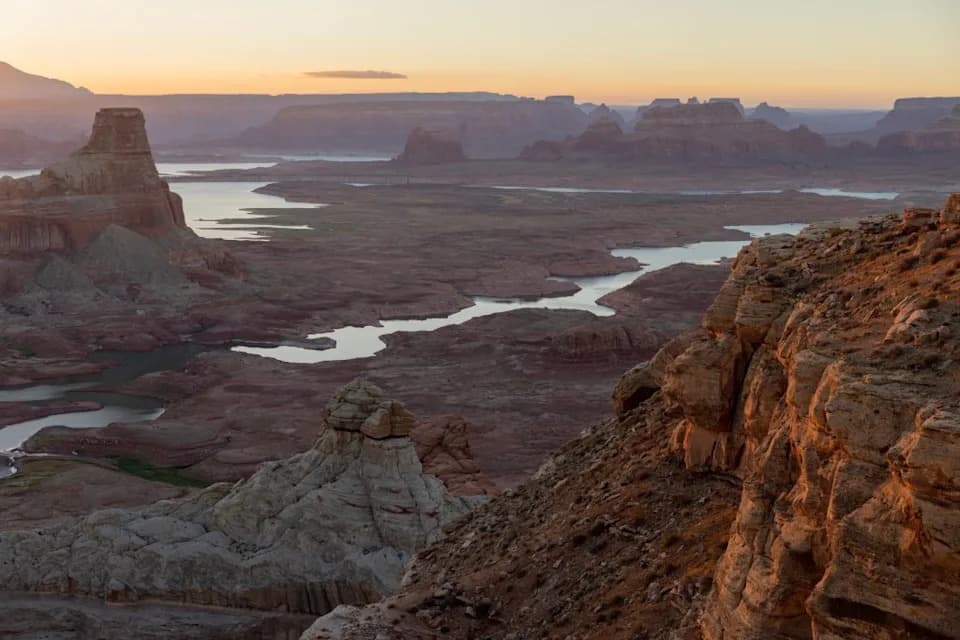
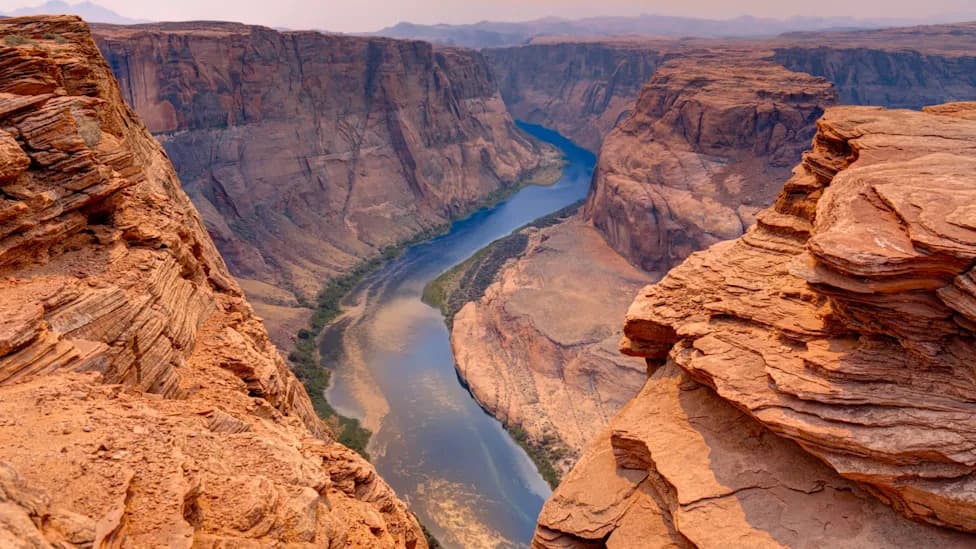
The Colorado River is at a critical tipping point: prolonged drought, climate change and century-old allocation rules have left Lake Powell and Lake Mead at about 25% of peak capacity. With projections showing 10%–45% less flow by 2050 and talks among the seven basin states stalled ahead of an October deadline, federal emergency releases and potential imposed cuts have heightened tensions. Communities and farms are already tightening water use as officials scramble to avert wider shortages.
Western Water in Crisis: Colorado River Nears Breaking Point as States Clash Over Deep Cuts
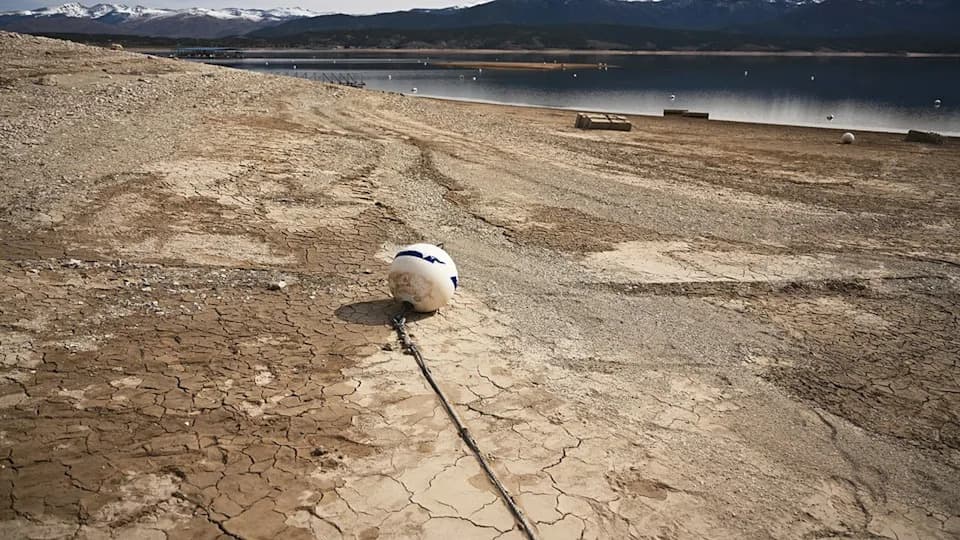
Colorado’s Lake Granby reservoir is shrinking. | Credit: Getty Images
The Colorado River, which begins in Colorado's Rocky Mountains and flows to Mexico's Gulf of California, is under intense strain after decades of drought and overuse. The river supplies water to more than 40 million people across seven Western states and supports hydroelectric power for roughly 25 million people through Lake Powell and Lake Mead—both now at about 25% of their historical peak volumes.
Why This Matters
Falling reservoir levels threaten urban supplies, farming, recreation and electricity generation. Declines at Lake Mead could reduce Hoover Dam's power output by as much as 40% as soon as this fall, and recent studies project the Colorado River may deliver 10%–45% less water by 2050 as a warming climate accelerates regional drying.
Root Causes: Drought, Old Assumptions, Growing Demand
The Colorado River Basin has been in drought since 2000; average snowpack and rainfall are roughly 7% below 20th-century norms. This year, snowpack peaks arrived a month early and held roughly half the moisture normally expected. But drought is not the only problem: the 1922 Colorado River Compact was negotiated during an unusually wet period and overestimated the river's reliable supply. Since then, population growth and agricultural expansion in the semi-arid West have driven demand far beyond those assumptions.
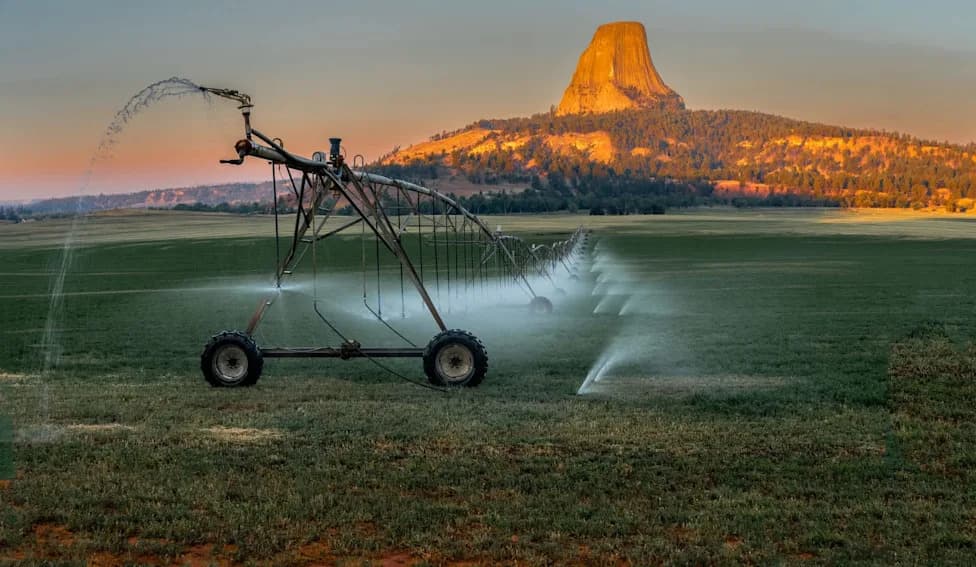
Today the river serves more than 40 million people and supports an agricultural sector covering more than 5 million acres. Agriculture consumes about 70% of basin water; alfalfa grown for cattle feed alone uses approximately 26%—more than the combined municipal use of all cities in the basin.
Politics, Negotiations and Rising Tensions
After three years of talks, the four Upper Basin states (Colorado, New Mexico, Utah and Wyoming) and the three Lower Basin states (Arizona, California and Nevada) have not reached a new agreement to reallocate water amid declining supplies. Lower Basin officials have proposed reducing their annual allotments by about 20% and asked the Upper Basin to accept permanent cuts to help guarantee southward flows. Upper Basin leaders resist measures they say would curtail future development and block new projects.
“I see still a very large lack of skin in the game by the Upper Basin,” said Tom Buschatzke of the Arizona Department of Water Resources.
The federal Bureau of Reclamation has signaled it will impose cuts if states cannot reach consensus. Officials have discussed scenarios that could reduce Lower Basin allocations by up to 40%—a volume comparable to the water used last year by roughly 19 million people in Southern California.
Emergency Releases and Local Impacts
In April, the Interior Department authorized emergency releases from Wyoming's Flaming Gorge Reservoir to bolster Lake Powell and help Glen Canyon Dam keep generating electricity. Officials say up to one-third of Flaming Gorge's stored water could be released over the coming year. The Upper Basin agreed to the drawdown reluctantly; the move may close boat ramps, harm local fish habitat and exacerbate regional tensions.
“Our consideration and approval are not taken lightly,” said Wyoming State Engineer Brandon Gebhart, noting the decision responds to "historically dire conditions."
Some communities are already on the brink. Kearny, Arizona, relies on a tributary reservoir that is roughly 2% full; local officials warned residents they could run out of water unless consumption drops sharply. Other jurisdictions have implemented rationing and conservation: Las Vegas, New Mexico, has banned automatically serving water in restaurants, while Denver and Aurora have ordered cuts to outdoor irrigation.
Outlook
With an October deadline for progress on a new Colorado River Compact, officials face difficult choices: deep, immediate cuts; long-term structural changes to water use (particularly in agriculture); or federal intervention that imposes allocations. As climate change reduces supply and demand continues to rise, policymakers will need to make hard trade-offs to preserve water, power and the western way of life.
“Maybe this is the first worldwide climate-change crisis that's going to force really fundamental policy-level decisions to be made,” said Brad Udall of Colorado State University's Colorado Water Center.
Help us improve.