The Strait of Hormuz is a critical maritime chokepoint whose closure by Iran threatens global energy supplies and trade. Recent Hezbollah attacks from Lebanon and a missile exchange between Israel and Iran have complicated diplomatic prospects. Historically more than 20% of global LNG and crude transited Hormuz, and about 30% of fertiliser shipments still rely on it. Prolonged closure risks a severe energy-price shock worldwide and will require coordinated diplomatic, economic and naval responses.
Reopening the Strait of Hormuz: Why the World Cannot Wait
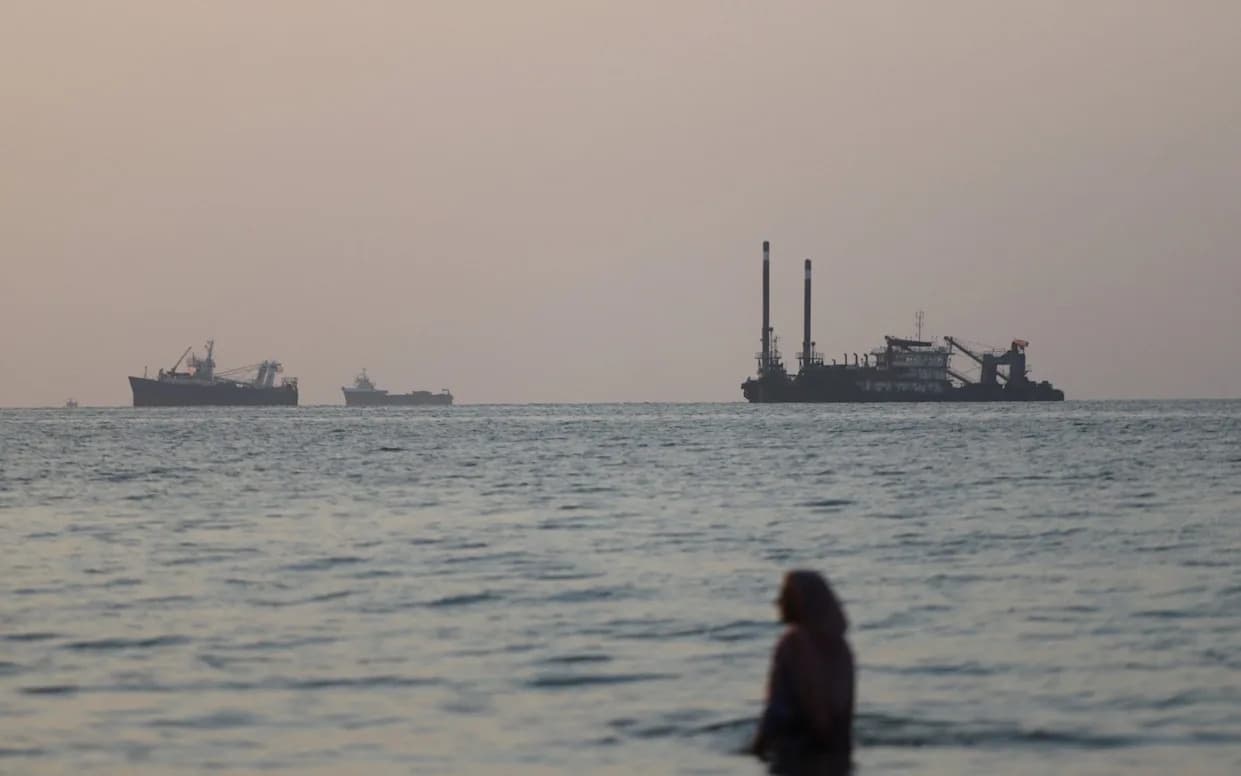
Vessels in the Strait of Hormuz near the beach of Bandar Abbas, June 8 - Amirhosein Khorgooi
The closure of the Strait of Hormuz poses an immediate threat to global energy supplies and trade flows, and recent regional violence has made diplomacy more difficult.
A Hezbollah attack launched from Lebanese territory — carried out by a proxy of Iran’s Islamic Revolutionary Guard Corps — provoked a missile exchange involving Israel and Tehran. That escalation has complicated any prospect of a negotiated settlement with Iran and has intensified international concern over Iran’s recent decision to disrupt traffic through the Strait of Hormuz.
Strategic Importance
The Strait of Hormuz is one of the world's most critical maritime choke points. Historically, more than one-fifth of global liquefied natural gas (LNG) and crude oil transited the strait, and roughly 30% of global fertiliser shipments move through it. There is no practical short sea route around Hormuz; avoiding the strait requires a long detour around Africa, adding time and cost to shipments.
Economic Impact
Disruption of traffic through Hormuz quickly raises energy and commodity prices. Refined petroleum products, including aviation fuel, also pass through the strait — a vulnerability compounded in the UK after two of its six remaining refineries closed last year, increasing reliance on imports. Countries without domestic oil and gas supplies are especially exposed to an energy-price shock, but even net exporters, including the United States, would feel the economic ripples through higher fuel and transportation costs.
Political and Military Dilemma
So far, the United States has not used military force to seize control of the strait. If Washington rules out renewed large-scale combat operations, it still faces the challenge of persuading Tehran to reopen the waterway and abandon any claims to levy tolls on transiting vessels. The recent violence suggests the diplomatic window to resolve the crisis peacefully is narrowing.
What Comes Next
Ending the disruption will likely require a mix of sustained diplomacy, international maritime cooperation, and economic pressure alongside clear contingency planning for energy markets. Multilateral engagement — involving regional powers, major importers and exporters, and international institutions — will be essential to reopen the strait and restore confidence in global shipping lanes.
Bottom line: The Strait of Hormuz is a global lifeline. Keeping it open requires urgent, coordinated international action to manage both the security and economic consequences of prolonged disruption.
Help us improve.