Richard Scolyer (1966–2026) was a surgical pathologist whose work with the Melanoma Institute Australia helped raise advanced melanoma survival from under 5% to over 50%. In May 2023 he was diagnosed with an aggressive grade 4 IDH‑wildtype glioblastoma and volunteered as "Patient Zero" for a delayed‑surgery immunotherapy protocol adapted from melanoma treatment. Early pathology and a May 2024 MRI showed encouraging immune responses and no recurrence, but the cancer progressed in March 2026 and he died on 7 June 2026, three years after diagnosis. His case has prompted a clinical trial at Duke University and cemented a legacy of scientific courage and innovation.
Richard Scolyer: Melanoma Pioneer Who Became His Own 'Patient Zero' In The Fight Against Glioblastoma
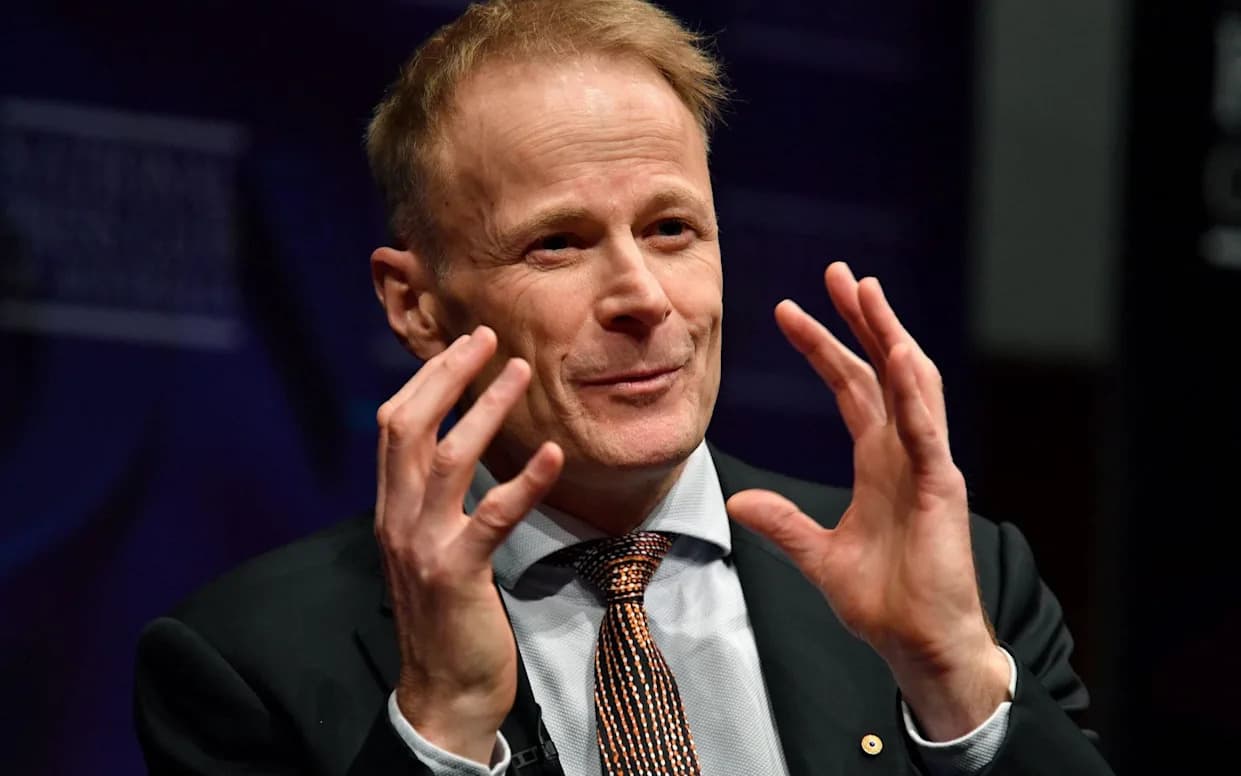
Richard Scolyer: ‘I didn’t want to die. I loved my life,’ he wrote in a memoir, Brainstorm - AAP/Alamy
Richard Scolyer, who died on 7 June 2026 aged 59, was a leading surgical pathologist whose research transformed outcomes for advanced melanoma and who, in a personal and public battle with glioblastoma, volunteered as a test case for a radical immunotherapy approach.
A Breakthrough For Melanoma
As co-director of the Melanoma Institute Australia with colleague Professor Georgina Long, Scolyer helped develop a protocol that gives immunotherapy before surgery so the immune system is exposed to the whole tumour rather than to the few cells left after resection. That strategy helped raise survival for advanced melanoma from under 5% in 2010 to more than 50% today, a leap that has saved thousands of lives worldwide.
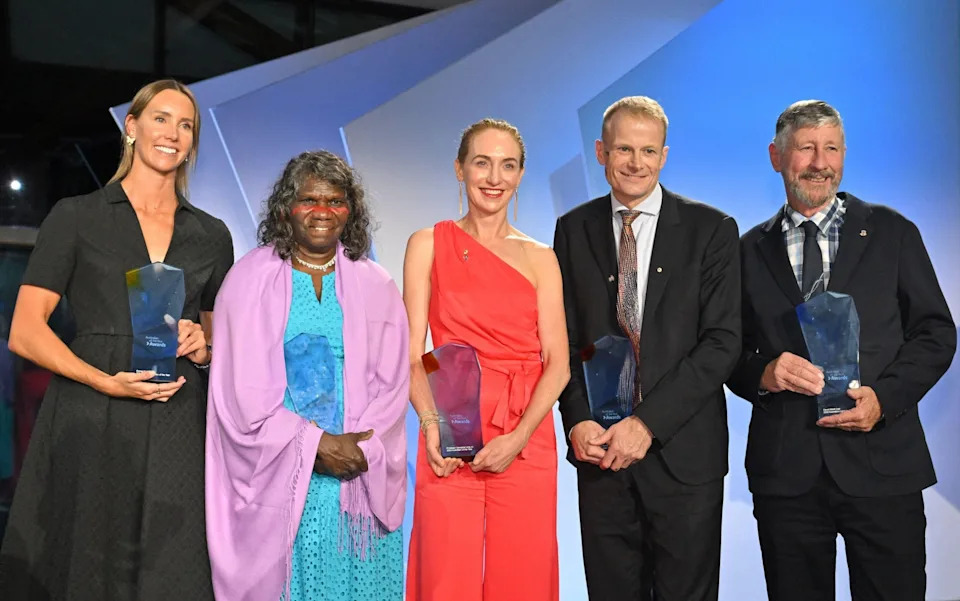
Scolyer with his co-worker Georgina Long, joint 2024 Australians of the Year, with category winners Emma McKeon, swimmer and Young Australian of the Year, Yalmay Yunupiŋu, Senior winner, and David Elliott, Local Hero - AAP/Alamy
Becoming 'Patient Zero'
In May 2023, while visiting Poland, Scolyer collapsed with convulsions in his hotel room. An MRI in Kraków found a mass in his temporal lobe; a biopsy back in Sydney confirmed an aggressive grade 4 IDH‑wildtype glioblastoma. Given six to eight months to live, he refused to accept the prognosis without testing an alternative.
Under a team led by Georgina Long, Scolyer agreed to act as "Patient Zero" for an adaptation of the melanoma protocol: surgery was delayed for two weeks while immunotherapy drugs were administered so the immune system could be primed by intact tumour tissue. He made his journey public and gained a large following on social media.
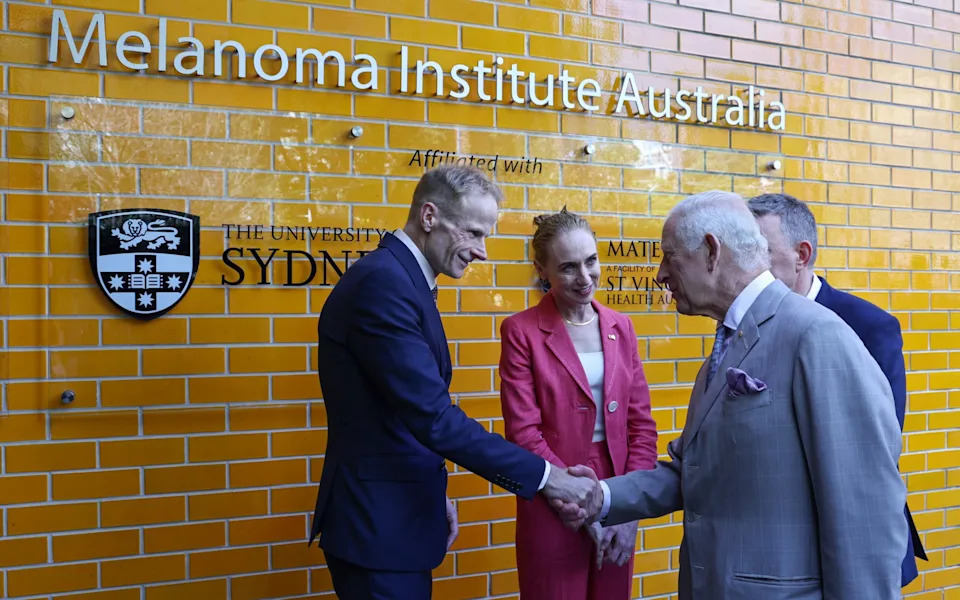
Scolyer and Georgina Long with King Charles in 2024 - David Gray-Pool/Getty Images
"I didn’t want to die. I loved my life," he wrote in his memoir Brainstorm. "It didn’t sit right with me… to just accept certain death without trying something."
Risks, Early Promise, And Progression
The regimen carried real dangers: a brief delay in surgery could allow tumour growth, and immune‑related side effects could be severe. Some in the medical community were understandably resistant. Early pathological analysis of the removed tumour, however, revealed a marked influx of cancer‑fighting immune cells, and by May 2024 an MRI showed no visible recurrence — a hopeful sign though not proof of cure.
In March 2026, shortly before a charity cycling event in Tasmania, a scan showed the cancer had progressed. He announced the setback candidly to his followers: "Not the best day ever." He lived three years after diagnosis, far exceeding his initial prognosis. The protocol he volunteered for has since inspired further research and a clinical trial at Duke University in the United States.
Life, Legacy And Honours
Richard Anthony Scolyer was born in Launceston, Tasmania, on 16 December 1966. Childhood hardships — his mother, a schoolteacher, suffered multiple strokes and spent time in psychiatric care — motivated him to study medicine. He trained at the University of Tasmania and completed specialist pathology training at Prince Alfred Hospital in Sydney, becoming a professor in the University of Sydney's faculty of medicine and health at 39.
In recognition of their work, Scolyer and Long were named joint Australian of the Year in 2024. He was appointed an Officer of the Order of Australia in 2021. He is survived by his wife, Kate, and their three children. His memoir Brainstorm and his public battle have helped raise awareness of glioblastoma research and of immunotherapy approaches that may change outcomes for future patients.
Help us improve.