FIU researchers show that banning shark fishing, though important, is not enough to secure Caribbean reef shark recovery. Using 631 BRUVS across eight Bahamian island groups plus visual surveys and environmental data, the study found sharks concentrate in smaller reefs with high prey biomass. Conservation must safeguard reef habitats and the small fish populations that feed sharks alongside fishing protections.
Study: Banning Shark Fishing Isn’t Enough — Food and Habitat Matter for Caribbean Reef Sharks
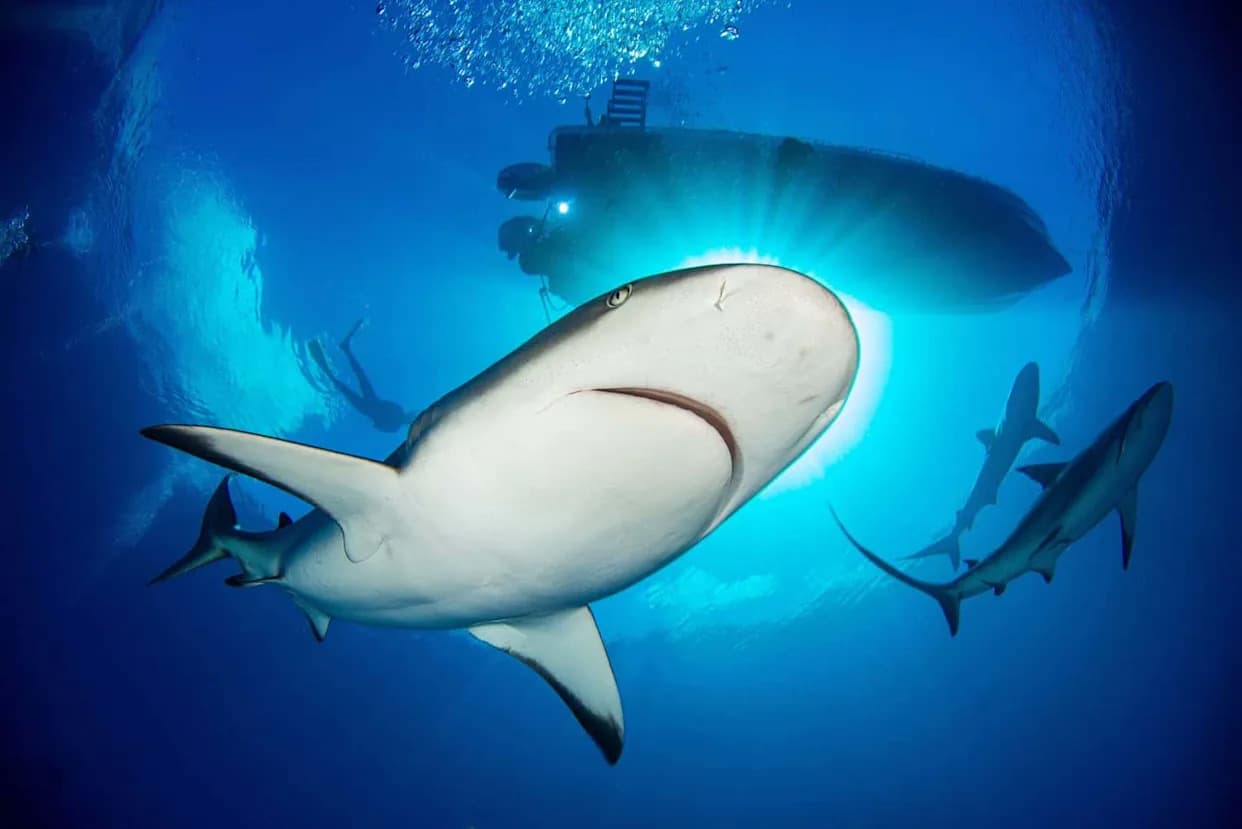
Caribbean reef sharks swimming below a diving boat© Maydel/Shutterstock.com
Protecting Caribbean reef sharks requires more than hunting bans. A new Florida International University (FIU) study finds these reef predators concentrate where their prey is abundant and prefer smaller reef habitats that deliver high food density with lower hunting costs. That means conserving reefs and prey fish must accompany fishing restrictions if shark populations are to recover.
About the Species
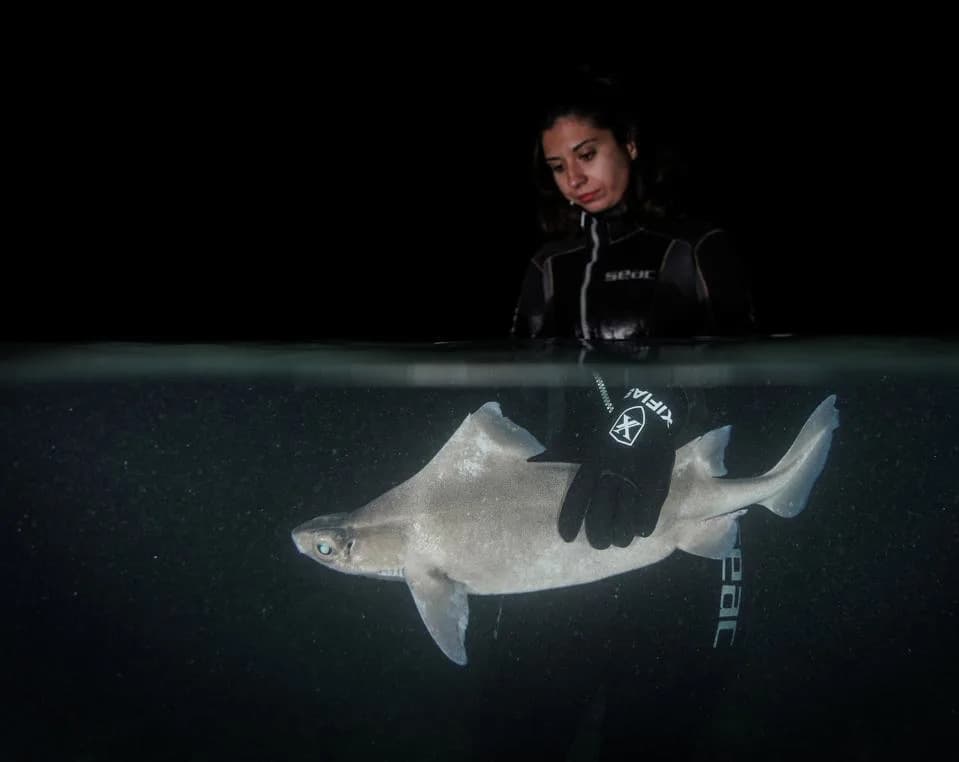
Caribbean reef sharks (Carcharhinus perezi) are robust, reef-associated predators found throughout tropical parts of the western Atlantic, from Florida and Bermuda to the Caribbean and northern South America. They have a short, blunt snout, large narrow pectoral fins and a relatively small first dorsal fin, reaching up to about 116 inches (roughly 9.7 ft) in length. Despite their size, they are not especially aggressive toward people.
Range, Diet and Threats
These sharks frequent coral-reef habitats on continental and insular shelves and are common around the Bahamas. They hunt primarily bony fishes, locating prey with a keen sense of smell, their lateral line (which senses low-frequency vibrations), acute hearing, taste and electroreception. Juveniles may fall prey to larger sharks such as tiger and bull sharks.
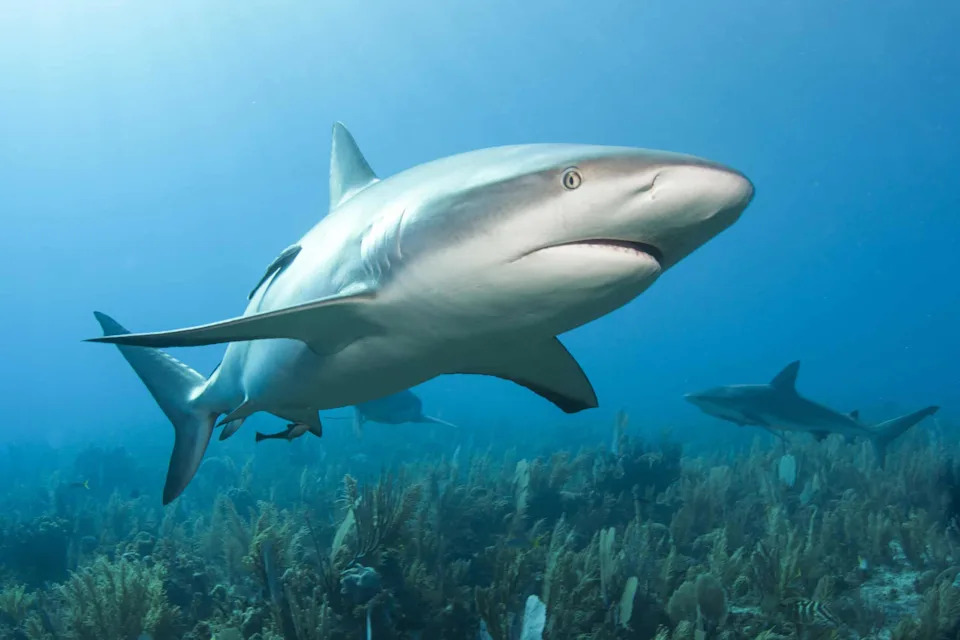
Reef sharks can grow quite large, but they are not especially aggressive and dangerous to humans.©Konstantin Novikov/Shutterstock.com
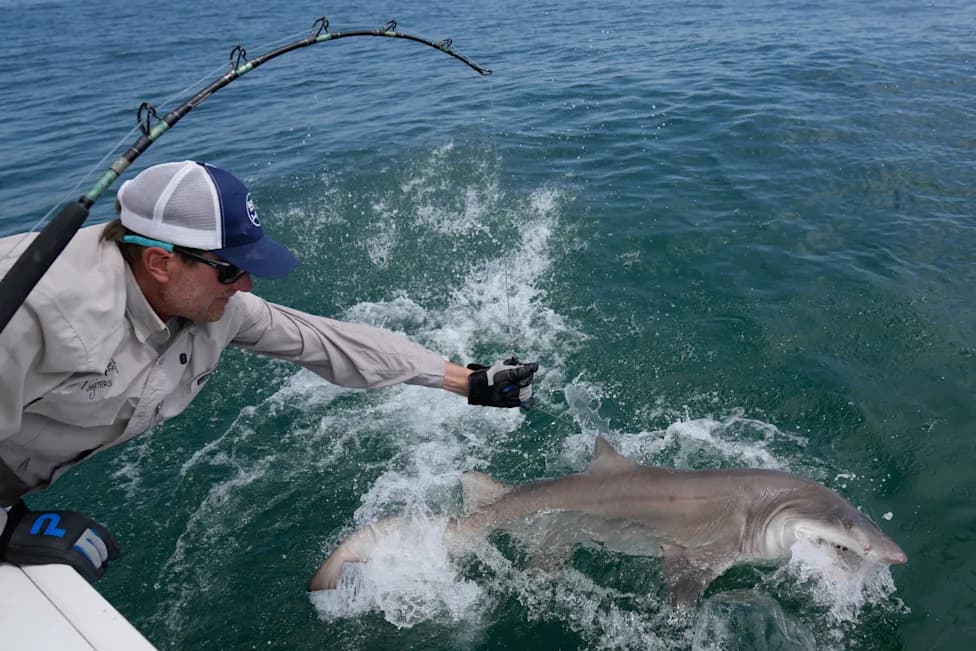
In 2021 the IUCN Red List classified Caribbean reef sharks as Endangered. As of 2026, commercial fishing for this species is illegal in U.S. waters, but targeted and incidental capture continues elsewhere in their range—often in artisanal and commercial gillnets and on longlines. Unregulated small-scale (artisanal) fisheries in some regions have driven local declines.
Beyond direct fishing pressure, reef degradation is a growing threat. Climate-driven warming, coral bleaching, disease, pollution, invasive species and other stressors reduce reef complexity and fish abundance, undermining the ecosystem that reef sharks depend on.
What the FIU Study Did
FIU researchers surveyed eight island groups across the Bahamas—the site of the Atlantic's first shark sanctuary (2011)—using 631 baited remote underwater video stations (BRUVS). They combined BRUVS observations with 85 underwater visual surveys and 23 biophysical variables to model the spatial distribution of reef fish prey biomass. This allowed the team to test whether shark occurrence correlated primarily with prey abundance or with other habitat features.
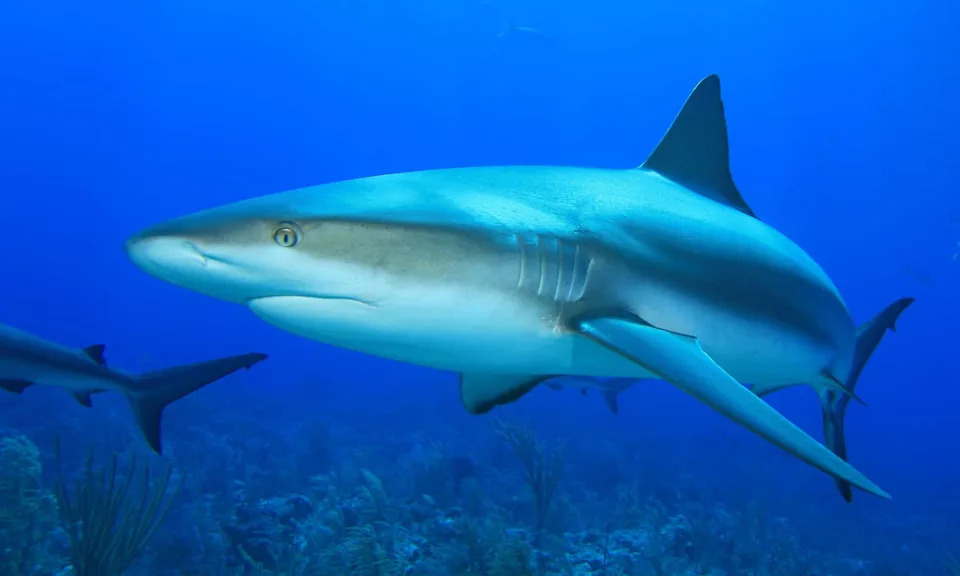
Caribbean reef sharks have been overfished in the past.©iStock.com/richcarey
Key Findings
The study found that Caribbean reef sharks do concentrate where prey biomass is high, but they show a notable preference for smaller reef habitats that support dense prey aggregations. These habitat choices lower energetic costs for foraging and enable sharks to move between habitats while avoiding larger predators that are more often associated with larger reef structures.
Conservation Implications
The results underline that fishing bans, while necessary, are not sufficient on their own. Effective conservation should combine legal protection from fishing with measures that sustain reef health and the populations of small reef fish that form the sharks' prey base. That includes managing artisanal fisheries, protecting reef habitat from pollution and degradation, and addressing broader climate-related threats such as coral bleaching.
Bottom line: Protecting sharks means protecting the whole reef food web and habitat that sustains them—not just stopping direct harvest.
Study source: Florida International University; locations surveyed: eight Bahamian island groups using 631 BRUVS, 85 visual surveys and 23 biophysical parameters.
Help us improve.