Top Democrats warn that Bill Pulte — a Housing Finance Agency director with no national security background — could misuse access to intelligence if he serves as acting Director of National Intelligence. Lawmakers including Sen. Mark Warner and Rep. Jim Himes say Pulte might amplify unverified claims about voter fraud or foreign interference, potentially justifying extreme federal actions. The White House dismissed the criticism, while audits and experts have found no evidence of widespread fraud in the 2020 election. Pulte can serve in an acting capacity for up to 210 days, a window that worries oversight officials.
Top Democrats Warn Bill Pulte Could Be 'Most Dangerous' Acting DNI, Raising Election Integrity Fears
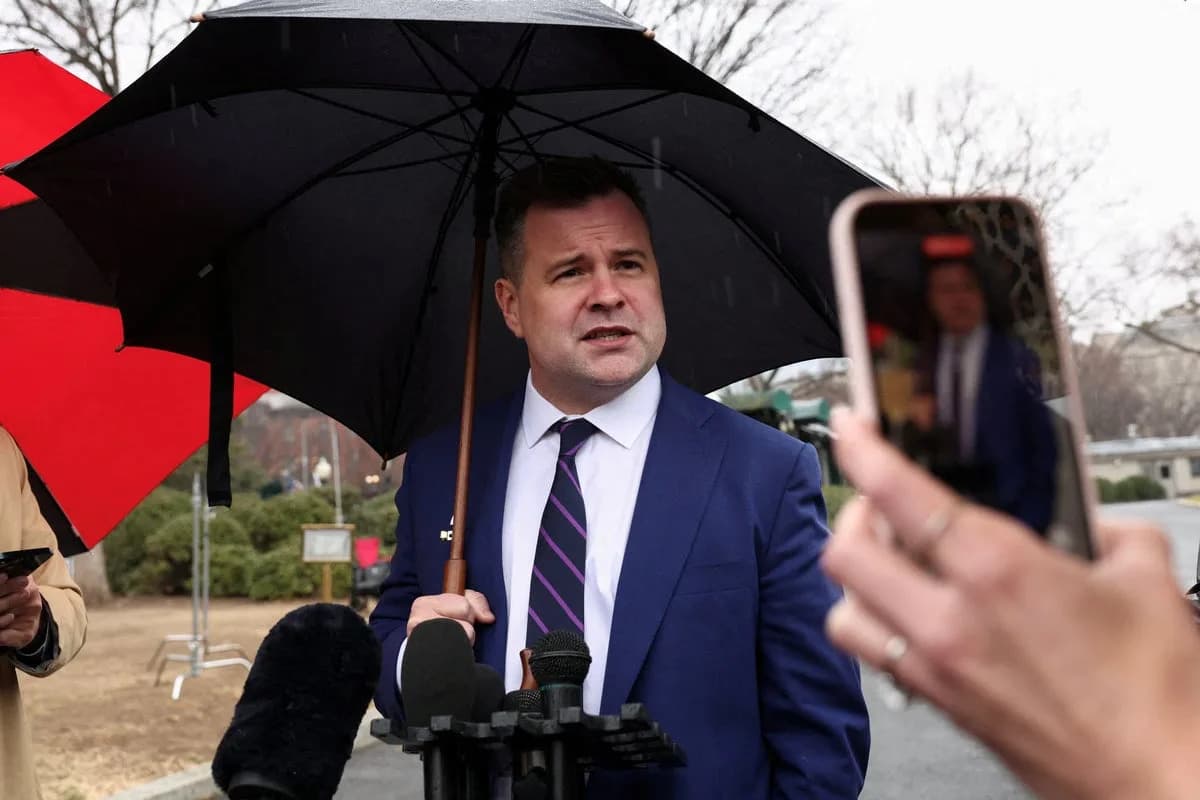
Lawmakers sound the alarm on Trump’s ‘most dangerous’ Cabinet pick
Top Democratic officials who oversee national intelligence are sounding the alarm over President Donald Trump’s controversial selection of Bill Pulte as acting Director of National Intelligence. Pulte, the director of the Housing Finance Agency, has no known national security experience but has been tapped to oversee the nation's 18 intelligence agencies for up to 210 days while serving in an acting capacity.
Lawmakers from both parties have expressed alarm at the appointment, but leading Democrats warn the risks are especially acute given Pulte’s demonstrated political loyalty and recent use of government housing records to make allegations against individuals the president considers opponents.
Sen. Mark Warner, the top Democrat on the Senate Intelligence Committee, cautioned that Pulte could amplify unverified or single-source intelligence in ways that would damage election integrity long after his term. Warner suggested such claims could be used to justify extreme federal actions, saying:
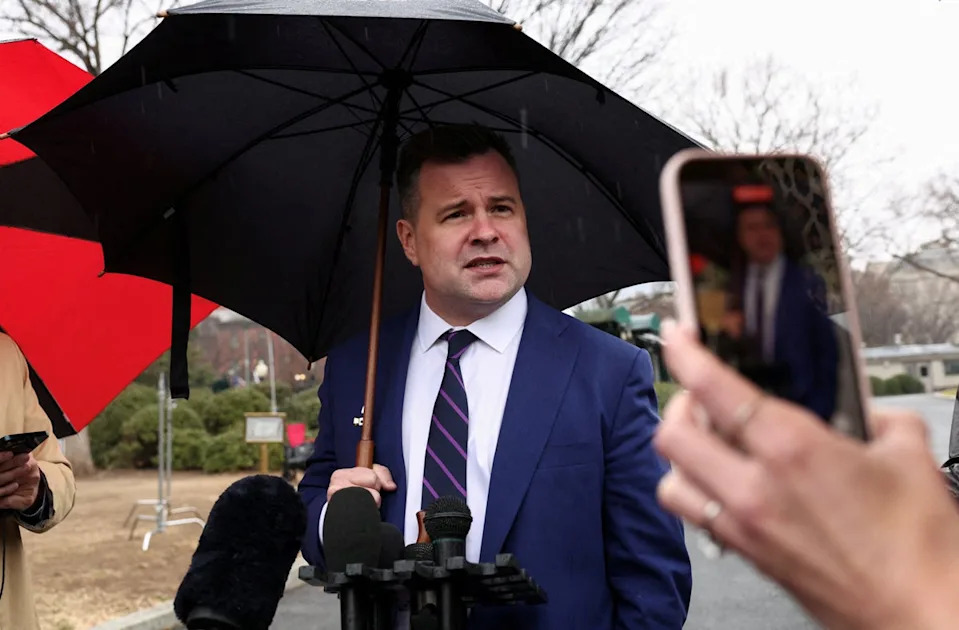
Bill Pulte has displayed unwavering loyalty to Trump by using government housing documents to accuse the president’s political enemies of engaging in criminal behavior (Reuters)
“What he could do is take a single piece of intelligence that may not be corroborated or make something up and say, ‘Country X is going to interfere or is sending people to encourage non-citizens to vote,’ and be used as an excuse for Trump to bring in ICE, federal troops, close down elections, seize polling stations.”
Rep. Jim Himes, the top Democrat on the House Intelligence Committee, described the pick as “the worst and probably most dangerous” decision of the administration and warned Pulte would likely use intelligence resources to serve the president’s political interests. Rep. Seth Magaziner, who leads the House Subcommittee on Counterterrorism and Intelligence, said Pulte was chosen because he has shown a willingness to use government levers to target political opponents.
Critics point to Pulte’s recent use of housing agency paperwork to make allegations of mortgage fraud against people viewed as political enemies — actions that, they say, raise serious concerns about how he might handle classified information and intelligence assessments.
In response, the White House’s Rapid Response account on X dismissed the lawmakers as “deranged losers,” accused critics of inventing “twisted conspiracy theories,” and defended Pulte’s record as proof of his qualifications.
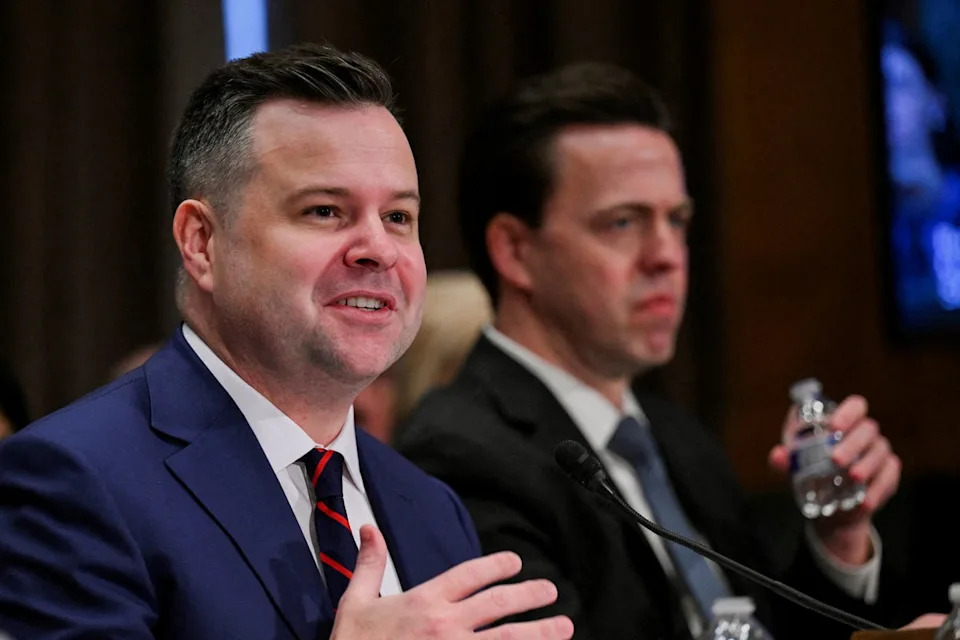
Pulte would only serve as Acting Director of National Intelligence for 210 days but some lawmakers still fear it is enough time to damage the intelligence community (Reuters)
For years, former President Trump has repeatedly claimed without evidence that the 2020 election was “stolen” through widespread voter fraud. Election officials, state audits, federal judges and members of his own administration have repeatedly found no proof of large-scale manipulation. Election experts continue to stress that U.S. voting systems are secure.
The article notes that the administration has previously used intelligence resources in election-related inquiries: Trump directed his outgoing Director of National Intelligence, Tulsi Gabbard, to assist investigators in Fulton County, Georgia, including actions that involved seizing ballots.
Although Pulte is designated as acting director rather than a Senate-confirmed official, his 210-day tenure would give him time and access to pursue administration priorities — raising urgent questions for lawmakers and national security professionals about safeguards, oversight and the politicization of intelligence.
Key questions going forward: What safeguards will limit the use of raw or uncorroborated intelligence? How will Congress and intelligence professionals ensure that intelligence resources are not used for political purposes? And how will agencies maintain public confidence in election security while under an acting leader with no national security background?
Help us improve.