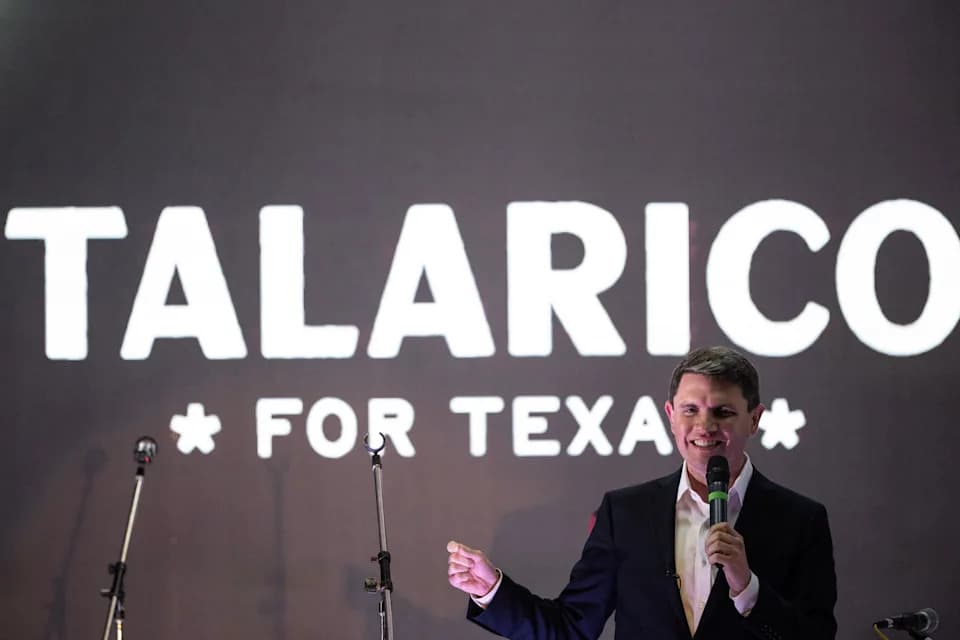
James Talarico, a 37-year-old state representative, former teacher and seminary student, is mounting a high-profile Democratic challenge to Texas Attorney General Ken Paxton. He emphasizes faith language to frame issues like health care, education and poverty as moral imperatives and has built a large online following and raised $27 million in Q1 2026. His faith-forward approach has energized progressives and independent voters but provoked sharp criticism from conservative religious leaders. The central question: can this strategy overcome structural Republican advantages and break Democrats' decades-long losing streak in statewide Texas races?
Can a Faith-Forward Democrat End Three Decades of GOP Dominance in Texas?

Can James Talarico Break Texas Democrats' Losing Streak?
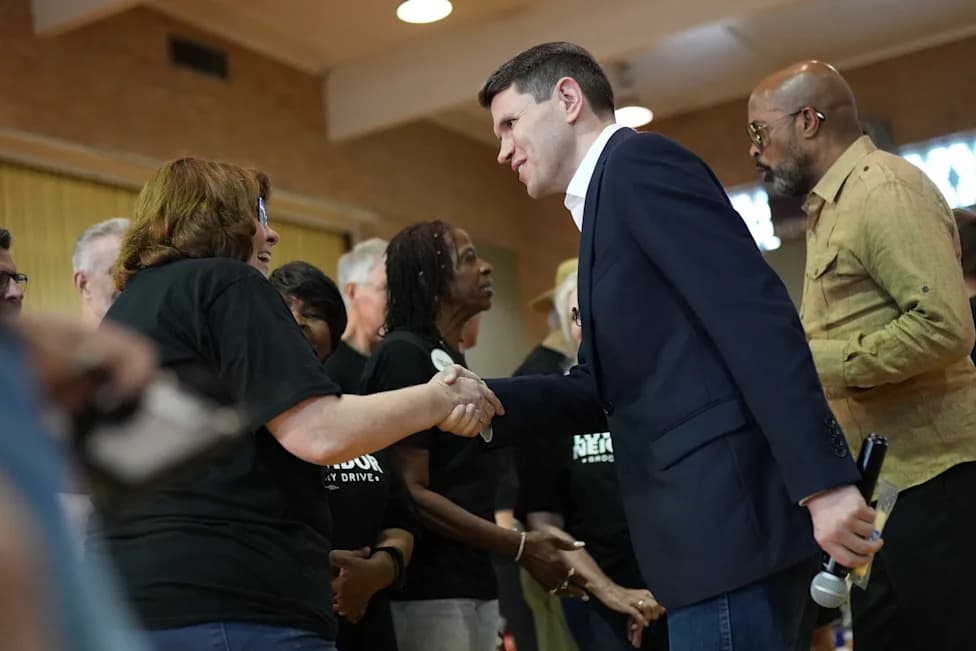
James Talarico, a 37-year-old Texas state representative, former public school teacher and seminary student, has emerged as one of the most closely watched Democratic hopefuls in the state. His campaign combines faith-forward rhetoric with populist critiques of money and power — a strategy that has drawn national attention, large fundraising hauls and sharp criticism from conservative leaders.
What Sets Talarico Apart
Talarico places religious language at the center of his politics. A Presbyterian seminarian who has discussed entering the ministry, he frequently quotes Scripture and frames policies such as health care, education, childcare and poverty as moral imperatives rooted in Jesus’s command to "love thy neighbor." That posture distinguishes him from many contemporary Democrats who have de-emphasized overt religious rhetoric.
"I don't believe in a progressive or conservative Christianity; I believe in a biblical Christianity," Talarico told The New York Times.
Rise To National Prominence
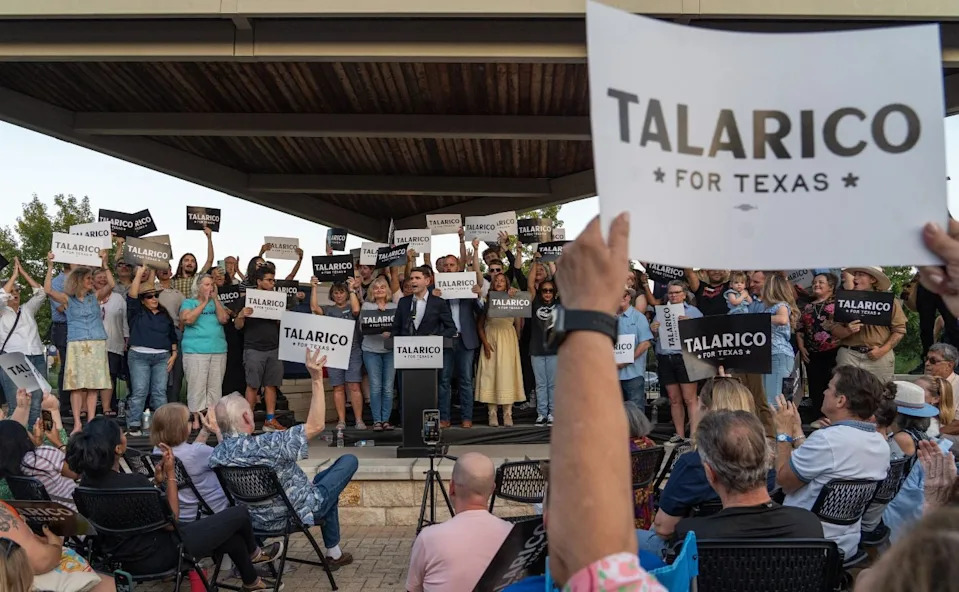
His combination of faith language and populist critique first drew viral attention when he attacked wealthy GOP megadonors for promoting a Christian nationalist agenda he says conflicts with core Christian teachings. Talarico now has more than 1.5 million TikTok followers and reported raising a record-breaking $27 million in the first quarter of 2026, transforming a relatively obscure state legislator into a national figure. Former President Barack Obama joined him for a high-profile appearance in Austin, and a planned spot on The Late Show With Stephen Colbert was reportedly shelved amid concerns over regulatory scrutiny.
The Race: Talarico vs. Paxton
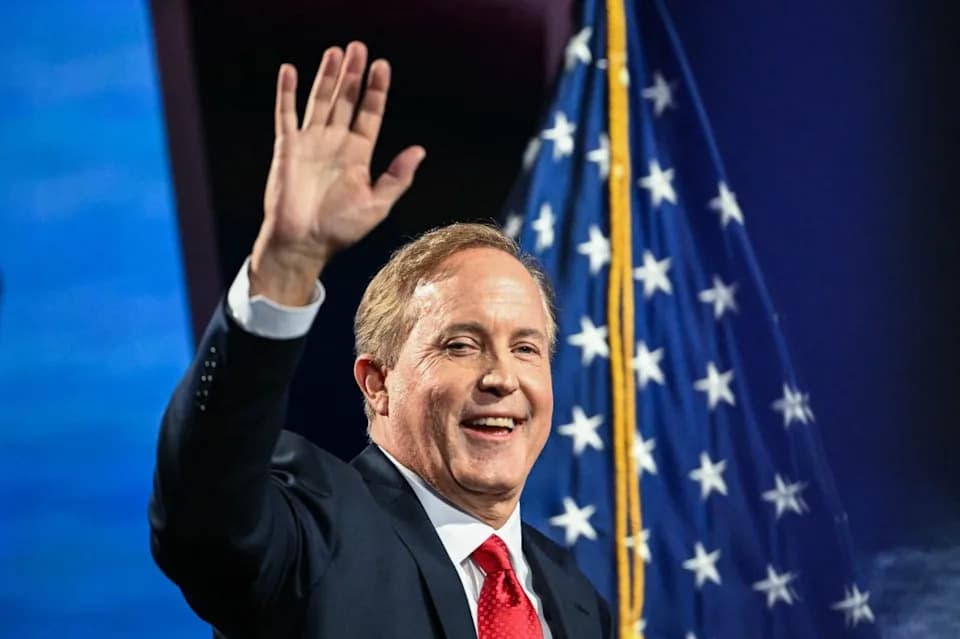
Talarico is preparing to challenge Republican Attorney General Ken Paxton, a polarizing figure whose legal and ethical controversies have coexisted with strong support among conservatives. Recent polling shows Talarico running close to Paxton and polling particularly well among independent voters — a sign his message may have cross-partisan appeal.
Getty Images
Support, Pushback, And Religious Debate
Progressive Christians and many Democrats see promise in Talarico’s approach. But his religiously infused politics have also provoked fierce backlash from conservative clergy and activists. Critics accuse him of reinterpreting scripture to suit policy goals. In one high-profile example, Talarico told Joe Rogan that the New Testament account of the angel visiting Mary supports the idea of consent and informed his view on reproductive rights — a reading that conservative religious leaders rejected.
Ryan Burge, a political scientist who studies religion and politics, called Talarico a "throwback" to an era when Democrats leaned into faith to win broader electorates.
Structural Challenges in Texas
Scholars caution that structural factors still work against Democrats. Votes remain concentrated in urban centers while Republicans win large margins across rural areas and small towns; turnout patterns and party resources also favor the GOP. Mark P. Jones of Rice University warns that demographic change alone has not delivered a sustained Democratic breakthrough and that institutional advantages for Republicans have grown since the 1990s.
What’s At Stake
Talarico is testing a strategic theory few modern Texas Democrats have tried seriously: that faith can be an electoral asset for the left rather than a liability. If his approach wins statewide, it could reshape messaging and candidate recruitment for Texas Democrats. If it fails, it will join a long list of near-misses that underscore the party’s uphill climb in statewide contests.
Bottom line: Talarico’s faith-forward strategy has energized supporters, attracted national money and attention, and reframed debates about religion and public policy — but whether it can overturn decades of Republican dominance in Texas remains an open question.
Help us improve.