Robert B. Talisse argues that many of Donald Trump’s most extreme statements are better understood not as straightforward lies but as performative acts meant to taunt opponents and command media attention. Because these claims are rarely intended to persuade, they function as expressions of contempt that helped mobilize a movement. Now, when those claims conflict with supporters' economic and security experiences, they can feel like betrayal and help explain recent drops in approval.
A Philosopher’s Case: Trump Isn’t Just Lying — He’s Performing Contempt

Polls indicate mounting regret and disappointment among Trump supporters.Farknot_Architect, iStock/Getty Images Plus
For much of his public life, Donald Trump has faced few political costs for repeated falsehoods. He began his national political ascent with the birther claim that Barack Obama was not born in the United States, yet that did not prevent him from winning the 2016 Republican nomination. Many of his persistent false claims — about crowd sizes, election outcomes and even personal details — now attract only episodic coverage.
Why 'Lie' Isn’t Always the Right Word
At first blush, calling such statements lies seems natural. But ordinary definitions — 'anything false' or 'asserting what one knows to be false' — miss important moral and psychological distinctions. Honest mistakes, memory lapses or rhetorical exaggerations are not morally equivalent to deliberate deception.
A more serviceable definition treats lying as speech with the intent to deceive an audience. That helps clarify some cases, though it is imperfect: actors, satirists and propagandists can all cause audiences to accept falsehoods for reasons other than simple deception.
Example: Bill Clinton's statement that 'there is not a sexual relationship' was literally true at the moment he spoke but widely judged dishonest in context. Simple formulations of 'lying' can therefore be misleading.
What Trump Is Doing Instead
Given how easily many of Trump’s more extravagant claims are debunked, it is implausible that his primary aim is to persuade people of those specific falsehoods. Few actually believe claims such as that he has 'stopped eight wars,' vanquished inflation entirely, reduced gasoline below US$2, or earned '100% approval' for a military operation.
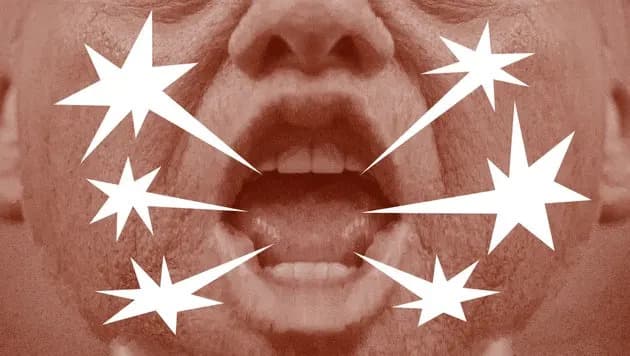
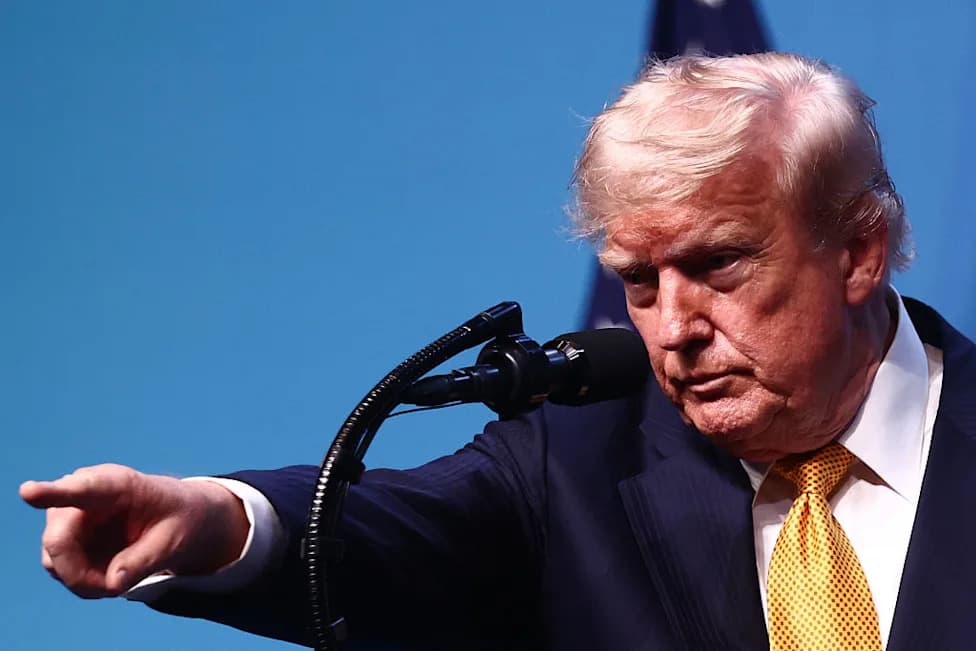
From a political-philosophical perspective, many of these statements function as performances of contempt. By asserting the unbelievable, Trump forces rivals and reporters to respond, thereby setting the news agenda on his terms. The gesture is not aimed at convincing skeptics so much as at taunting opponents and declaring dominance: 'You cannot stop me.' For supporters who view politics as a turf to be reclaimed from a corrupt establishment, this posture has been an effective mobilizing tactic.
Why Some Supporters Are Turning
That tactic has limits. Recent administration missteps — confused messaging about the Iran operation, unresolved questions about the Epstein files, and the economic pains from tariffs and inflation — have left parts of his base feeling misled. When claims about falling grocery prices, a booming economy or a 'short-term excursion' in Iran clash with supporters' lived experiences, the effect is not merely disbelief. It can feel like contempt directed at followers themselves.
In other words, the emerging erosion of support appears less about an abstract discovery that 'he lies' and more about a sense of betrayal: supporters concluding that they have been belittled and abandoned by a leader whose rhetoric primarily targets elites and critics rather than addressing voters' material concerns.
Conclusion
Describing these speeches merely as lies flattens the phenomenon. Recognizing them as performative acts of contempt clarifies why they were initially effective at rallying a movement and why they now risk alienating the very people they helped mobilize. If true believers feel mocked rather than defended, political loyalty can erode — a dynamic that may help explain recent declines in approval.
Update: This story was updated to correct the date on which President Trump spoke to GOP lawmakers, describing the war in Iran as a 'short-term excursion.'
Republished from The Conversation. Written by Robert B. Talisse, Vanderbilt University. The author reports no relevant conflicts of interest beyond his academic appointment.
Help us improve.