Ukraine's leading interceptor-drone manufacturers have introduced remote-operation systems that let pilots control aircraft from far beyond the front lines, reducing the risk that pilots will be targeted by Russian reconnaissance and strike drones.
Remote Control Through Satellite Internet
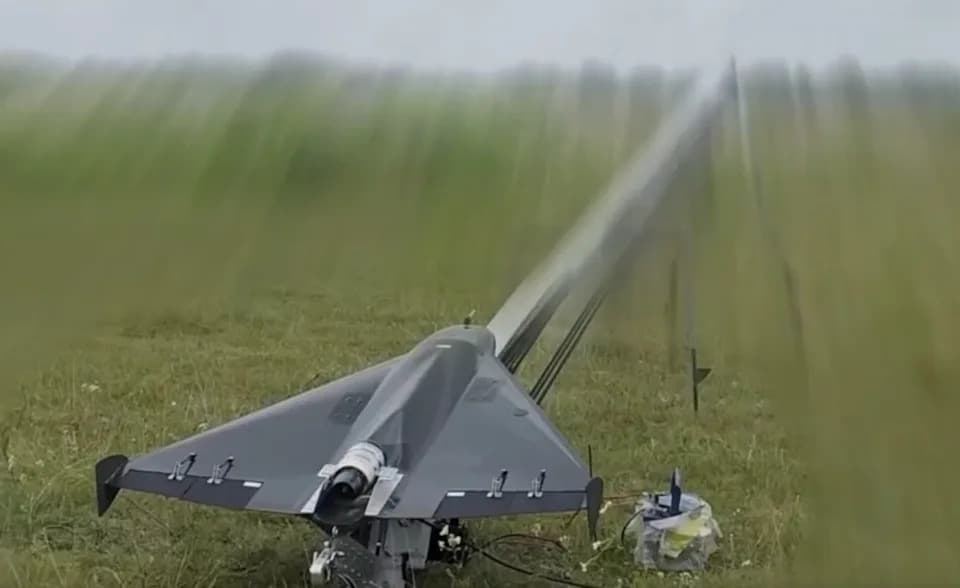
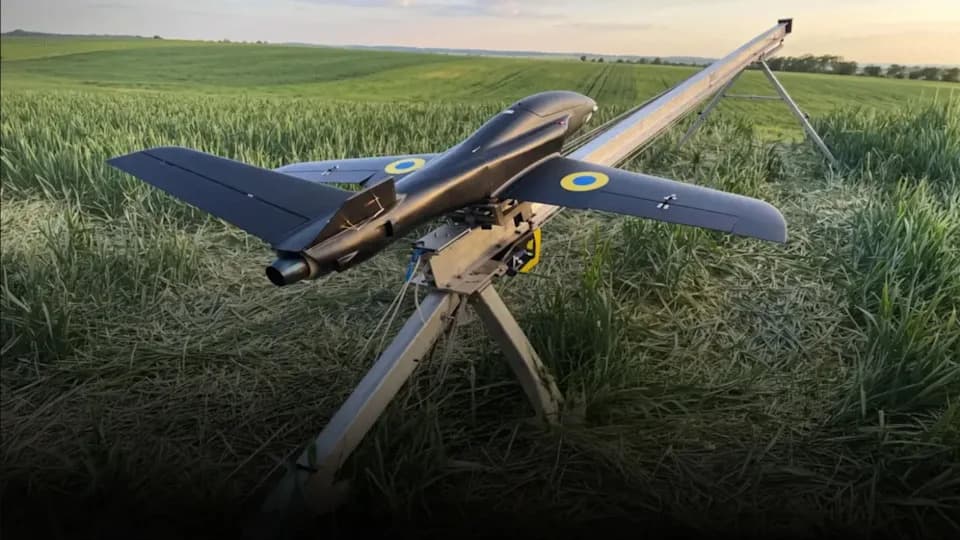
Companies such as Skyfall and Wild Hornets say satellite-based internet — including Starlink — now enables pilots to fly interceptors from distances measured in hundreds or even thousands of miles. Skyfall's P1-Sun previously had an effective control radius of roughly 20 miles; company representatives told Business Insider on background that remote links now allow far greater reach without degrading mission performance.
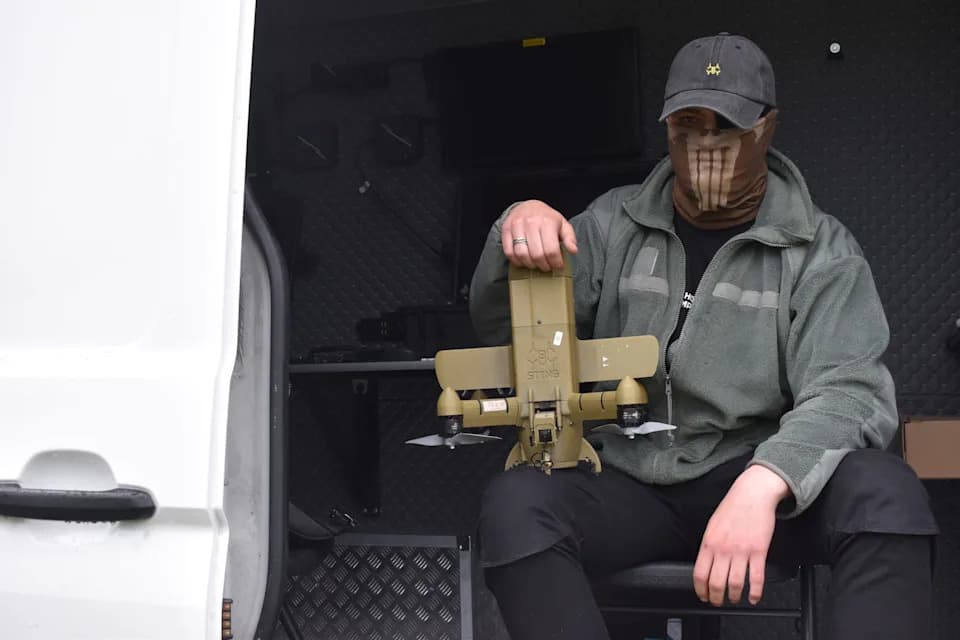
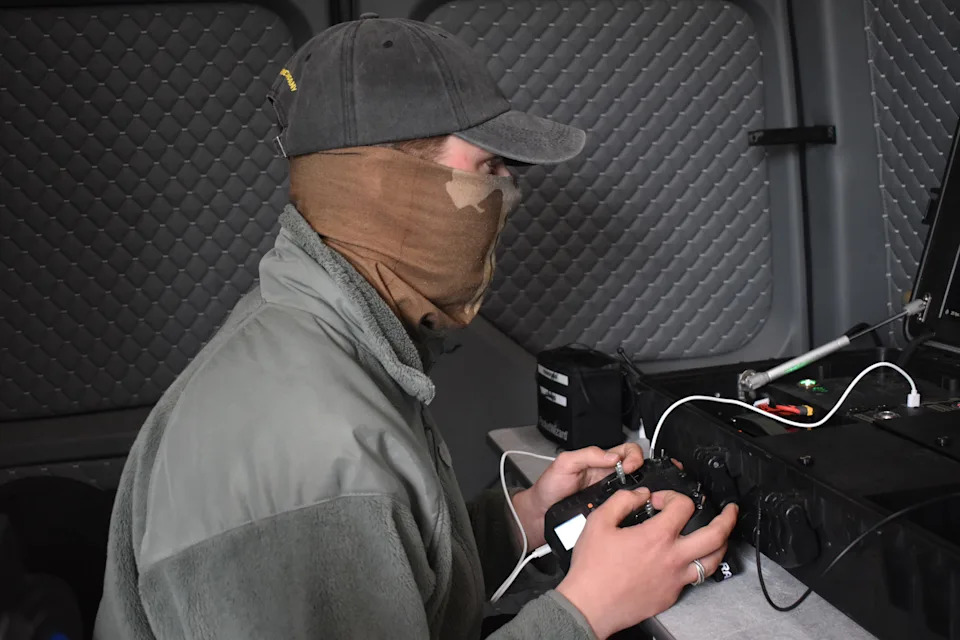
Ukrainian companies figured out how to let pilots control interceptor drones from hundreds of miles away.Jake Epstein/Business Insider
How It Works In Practice
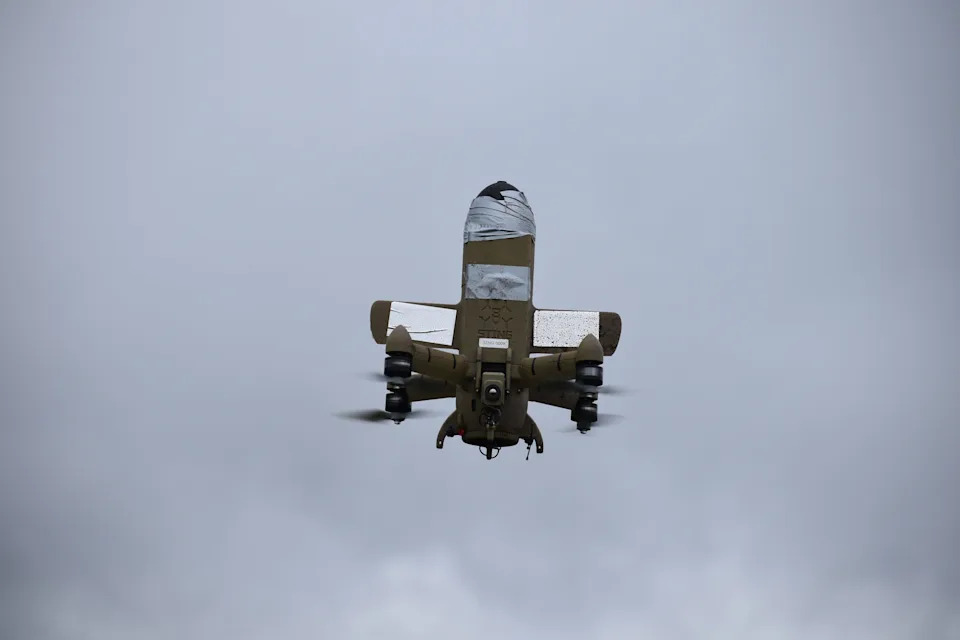
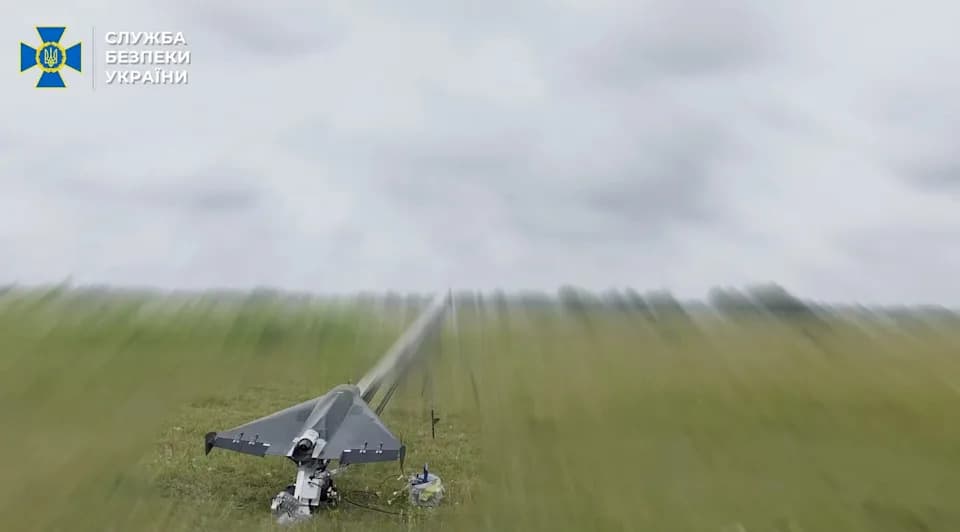
Typically, ground crews at forward sites prepare and launch interceptors. Once airborne, remote pilots assume control via a secure, low-latency satellite link. Wild Hornets announced its "HORNET VISION Ctrl" system in March, saying it can operate Sting interceptors across hundreds of kilometers and, in some configurations, beyond 1,200 miles.
Why It Matters
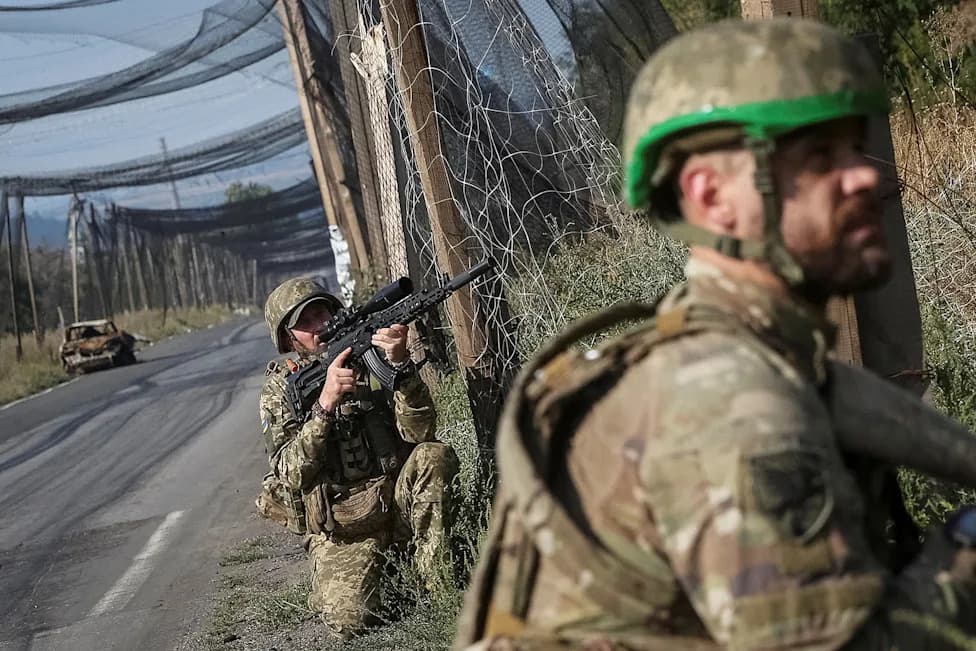
Operators on or near the front line have increasingly become targets as Russian reconnaissance penetrates deeper into Ukrainian lines. Moving pilots farther from the battlefield preserves personnel safety while concentrating expertise in secure locations — a model similar to how the U.S. operates MQ-9 Reaper missions from bases in the U.S.
Wild Hornets figured out how to use satellites so pilots can operate Sting from hundreds of miles away.Jake Epstein/Business Insider
Cost, Capability and Tactical Role
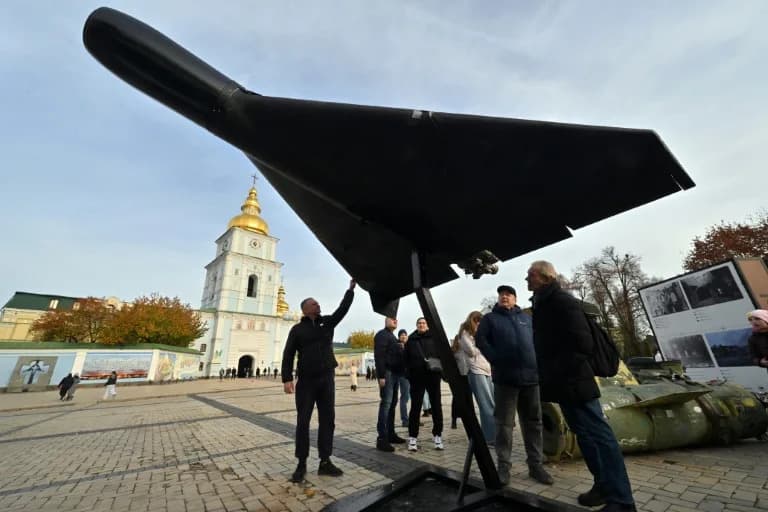
Interceptor drones are typically propeller-driven, carry small warheads, and defeat incoming attack drones either by colliding with them or detonating nearby. They are inexpensive — some reported to cost as little as $2,000 — and are intended to be a cost-effective layer against one-way attack drones such as Shaheds (also called Gerans), which can cost many times more.
Technical Upgrades And An Ongoing Arms Race
Manufacturers are also adding artificial intelligence for targeting assistance while keeping humans in the decision loop, and designing faster interceptors to match Moscow's evolving designs. Skyfall's P1-Sun can reach nearly 200 mph today with plans to push toward 250 mph. Russia has responded by deploying jet-powered Shaheds that can travel up to around 310 mph and by equipping some drones with electronic-warfare systems to resist interception.
Breadth Of Application
Remote control isn't limited to aerial platforms. Ratel Robotics is developing long-range control for uncrewed ground vehicles (UGVs) so operators can remain physically distant from contested areas while guiding missions via satellite links.
Outlook
Ukrainian officials say interceptor drones have become an increasingly important part of the country's layered air defense: Defense Minister Mykhailo Fedorov told reporters the share of Shaheds downed by interceptors has doubled this year. Remote operations reduce pilot exposure and allow a smaller, centralized cadre of trained operators to manage many vehicles — a significant tactical advantage as both sides adapt.
Sources: Reporting based on interviews with industry representatives and Ukrainian officials who spoke on the condition of anonymity to discuss sensitive developments.