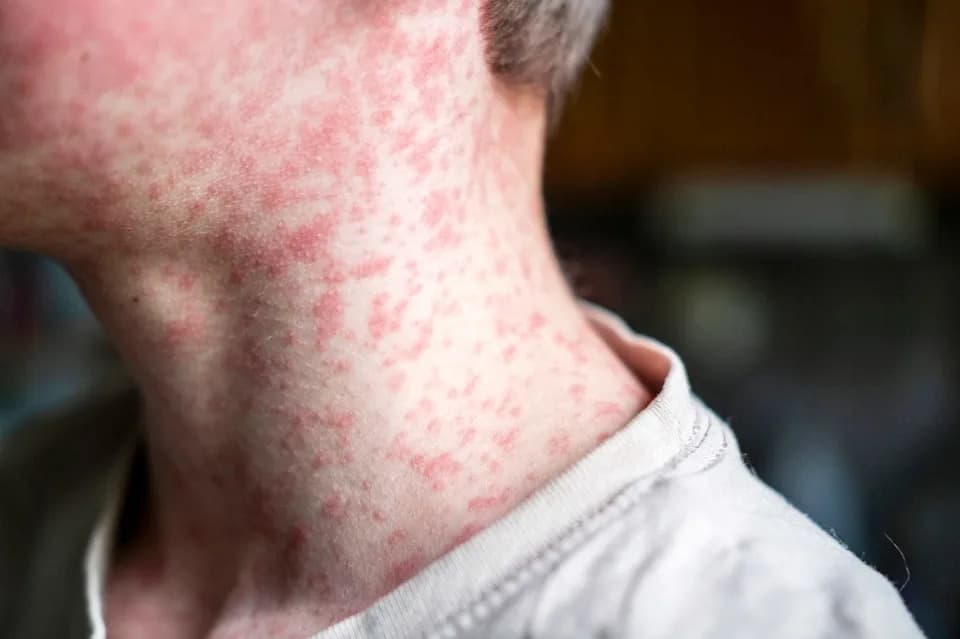
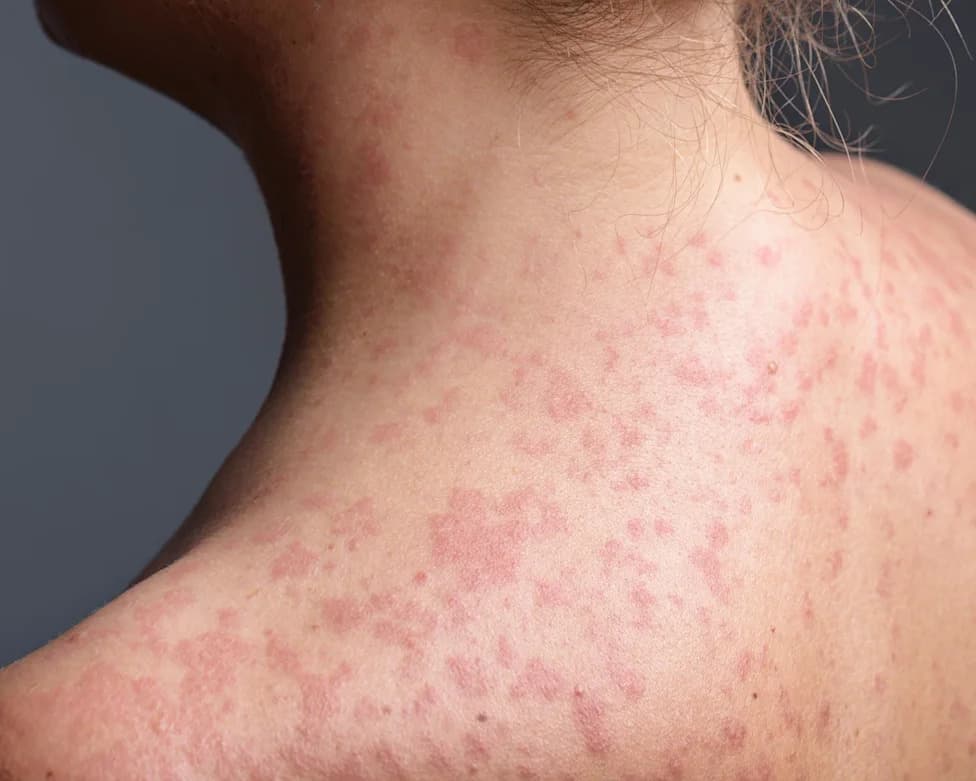
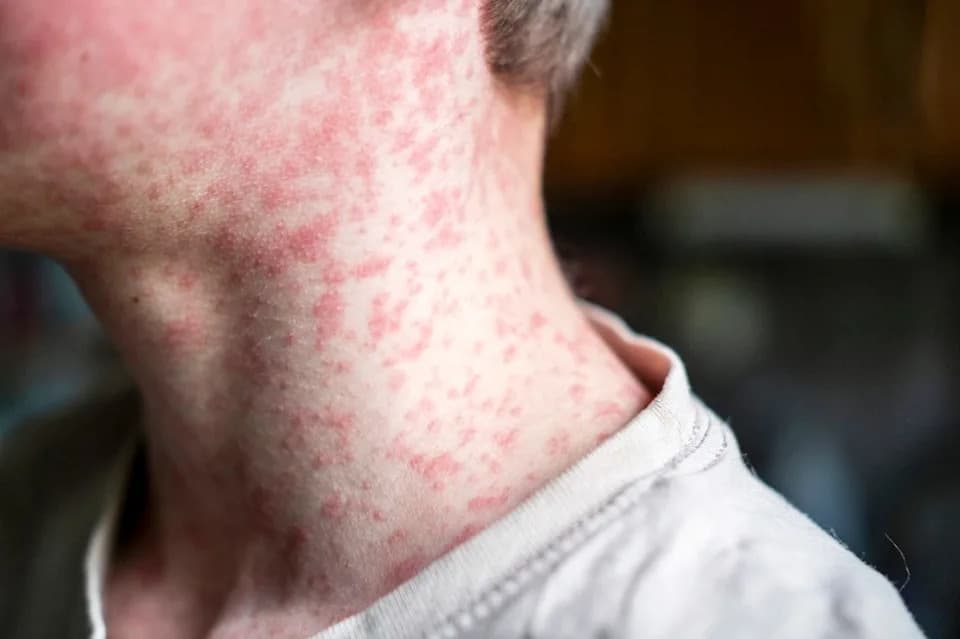
Routine wastewater testing in Merced County detected measles genetic material as California reports a rapid surge to 74 confirmed cases across seven counties — the state’s highest annual total in seven years. About 96% of infections are among the unvaccinated or those with unknown vaccination status, revealing immunity gaps despite roughly 95% kindergarten coverage. Officials warn that clustered pockets of under-vaccinated people are sustaining spread, and they caution against relying on vitamin supplements as substitutes for the MMR vaccine.
Measles Traces Found in Merced County Wastewater as California Sees Sharp Case Rise
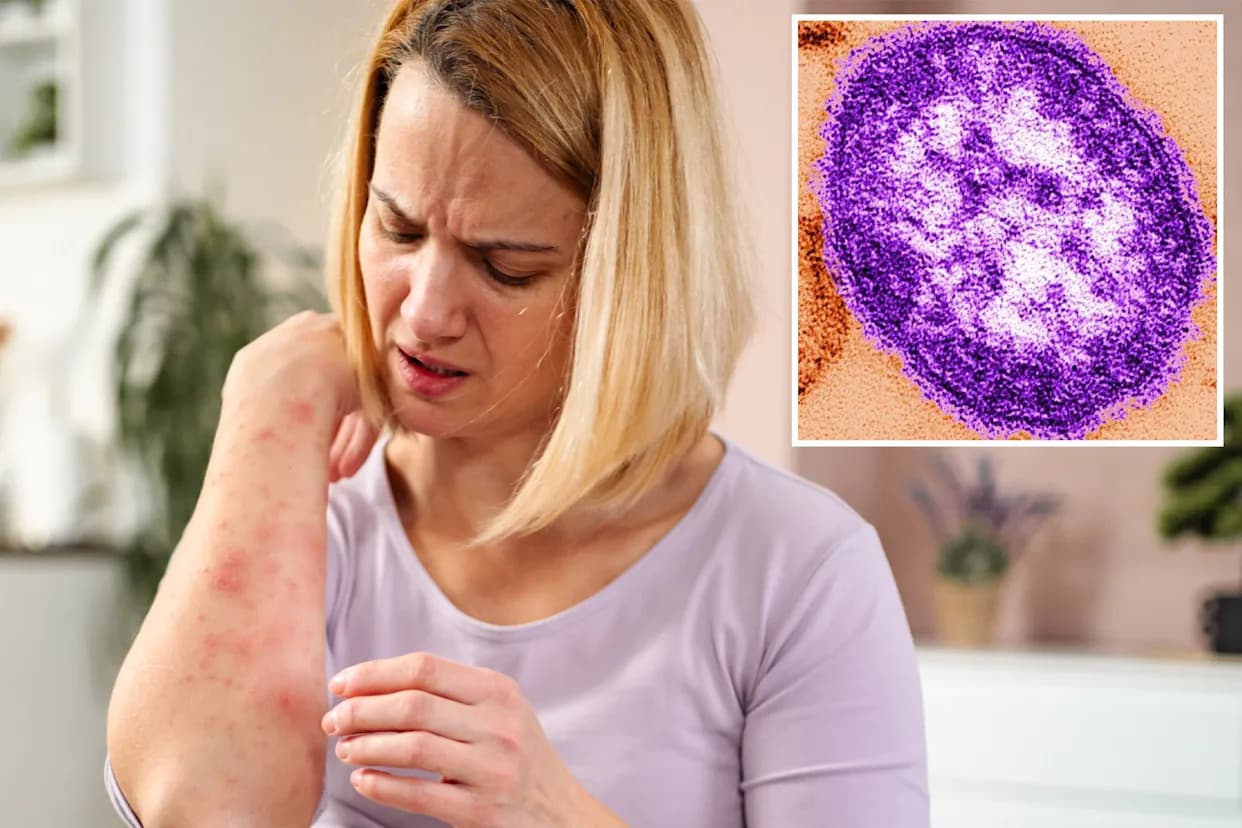
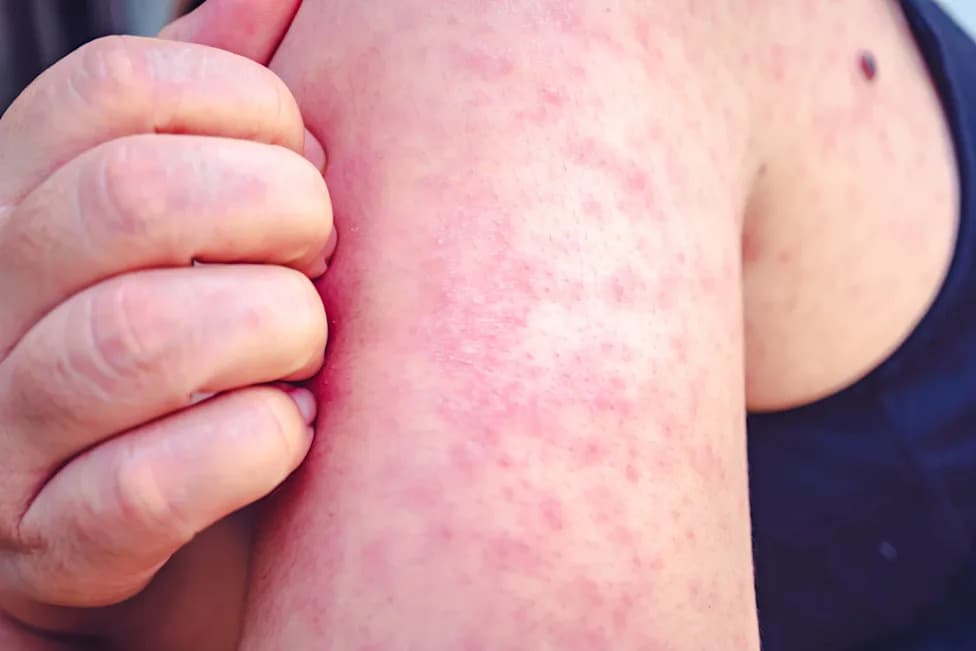
Collage of a woman scratching a rash on her arm and an image of the variola virus.
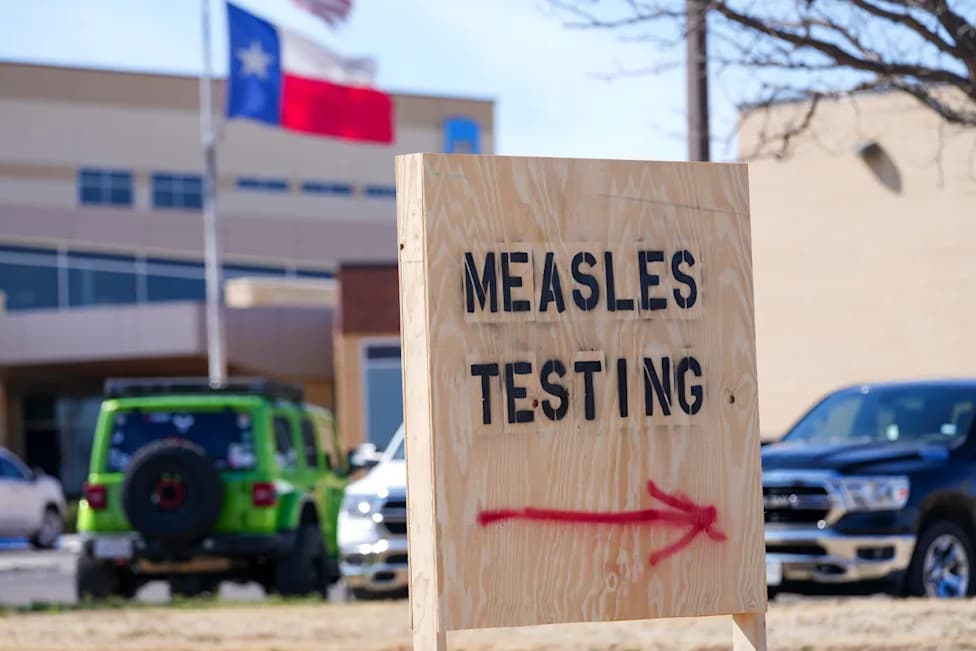
California health officials report that routine wastewater surveillance in Merced County has detected genetic material from the measles virus amid a rapid statewide resurgence of the disease.

Jelena – stock.adobe.com
What Officials Found
The Merced County Department of Public Health disclosed the wastewater detection and emphasized that, to date, there are no laboratory-confirmed clinical cases in the county. Officials cautioned, however, that the finding could indicate undetected community transmission.
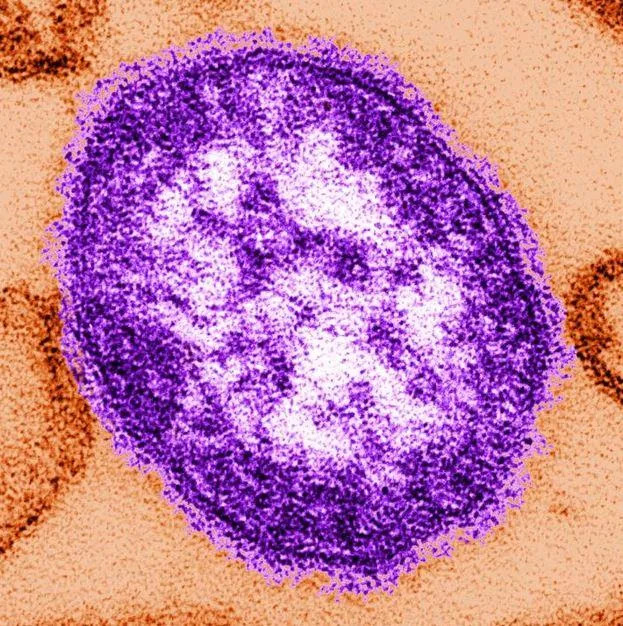
CDC
Statewide Surge
State authorities say California has confirmed 74 measles infections across seven counties — the largest annual total the state has seen in seven years. That tally far exceeds 2025’s total of 25 reported cases and highlights how quickly measles has reemerged.
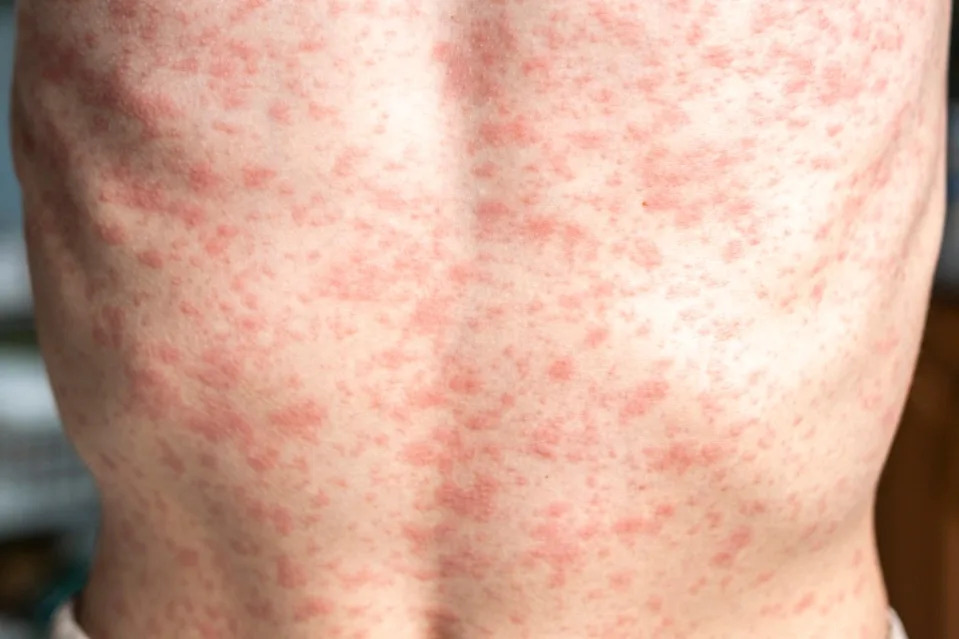
ÃÂðÃâðûÃÅàÃÅðùÃËõòð – stock.adobe.com
Vaccination Gaps and Transmission
Public health data indicate roughly 96% of those infected are unvaccinated or have unknown vaccination status, pointing to gaps in immunity as the primary driver of spread. While about 95% of kindergarteners in California are vaccinated — a level generally associated with herd immunity — officials warn that tightly clustered pockets of under-vaccinated people can sustain outbreaks.
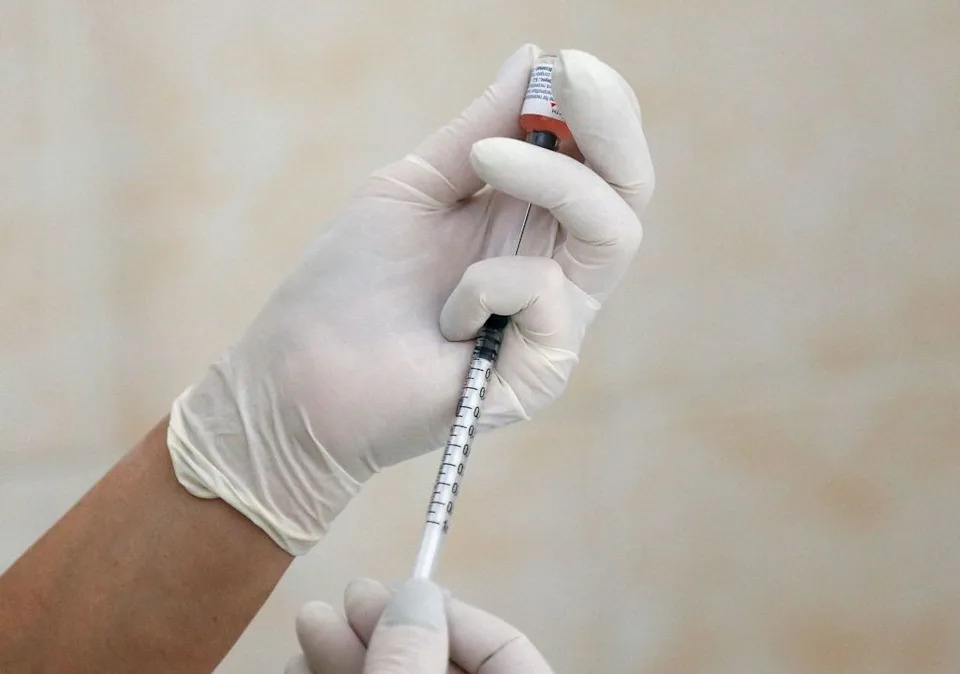
REUTERS
“The United States is experiencing the highest numbers of measles cases, outbreaks, hospitalizations and deaths in more than 30 years, driven by populations with low vaccination rates,” said California Public Health Officer Dr. Erica Pan.
How Measles Spreads
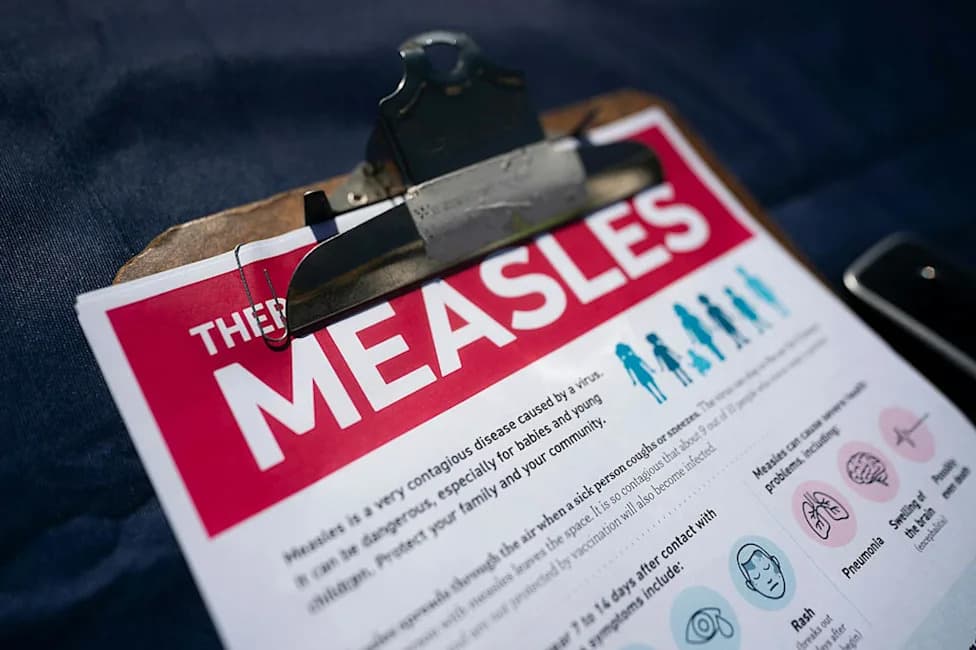
Measles is among the most contagious viruses known. In an enclosed space, one infected person can infect up to nine out of 10 unvaccinated people. The virus can remain airborne and infectious for up to two hours after an infected person leaves, increasing exposure risk for others who enter the same area.
Misinformation and Supplements
Public health officials are also confronting misinformation. During last year’s U.S. measles surge, poison control centers recorded an increase in calls related to children exposed to a widely available supplement, and online searches for terms such as "vitamin A and measles" and "cod liver and measles" spiked. Some public figures mentioned vitamin A as a possible aid, which appears to have driven public curiosity.
Experts emphasize that vitamin A and cod liver oil do not prevent measles and are not substitutes for the MMR vaccine. While high-dose vitamin A can be administered in hospital settings to treat certain complications in severely deficient or malnourished children, unsupervised supplementation can cause toxicity and other harms.
Public Health Guidance
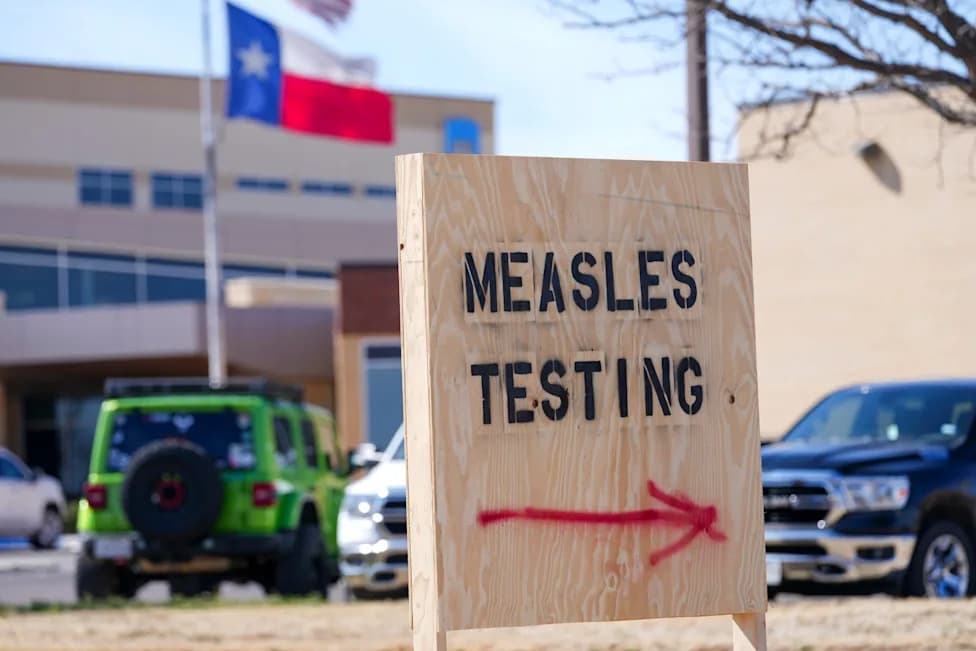
Health officials advise that the best protection against measles is the MMR vaccine. People should verify vaccination records, ensure children receive recommended doses on schedule, seek medical advice if exposed or symptomatic, and be wary of unproven remedies circulating online. Local health departments can provide testing and guidance.
Bottom line: Wastewater detection in Merced County may signal hidden transmission while California confronts a significant measles rebound driven largely by gaps in vaccination.
Help us improve.