Senior military leaders warn the UK is underprepared for heightened threats, with Sir Richard Knighton saying risks are "greater than I have known since the Cold War" and noting rising Russian incursions into British airspace. A year after the Strategic Defence Review, the funding plan to deliver its 10-year modernisation programme remains unpublished after multiple delays. Defence chiefs cite a reported £28bn shortfall while the Government may allocate roughly £15bn over four years — widely seen as insufficient. The article urges faster, larger investment in defence and stronger resilience in energy, food and health to deter adversaries.
Britain Still Unfit to Fight: Defence Warnings, Funding Gaps and Growing Risks

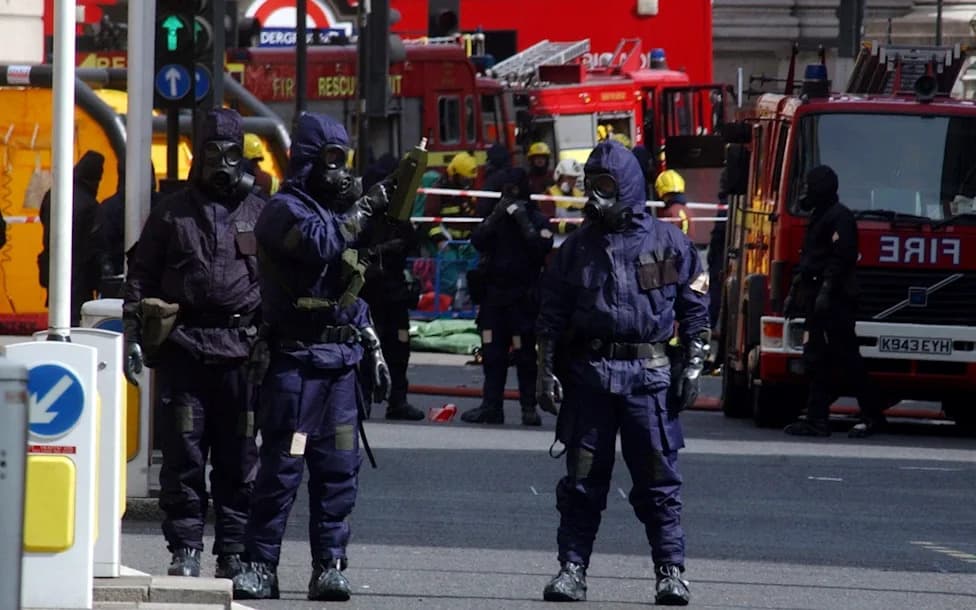
Today, the welfare bill is more than five times that spent on defence - Oli Scarff/PA Wire
Almost every week another defence or security official warns that the United Kingdom is unprepared for rising threats. Despite repeated alarms, ministers appear slow to act.
Yesterday Sir Richard Knighton, the Chief of the Defence Staff, added urgency to those warnings. He said the country faces threats "greater than I have known since the Cold War" and cautioned that the Kremlin was close to "crossing a line" as Russian aircraft have entered British airspace with increasing frequency. His message was blunt: the UK must "spend more on defence and do it faster."
This week marks one year since the Strategic Defence Review set out a 10-year programme to modernise the armed forces. Yet the accompanying defence investment plan, which explains how that modernisation will be funded, has still not been published. Its release has been repeatedly delayed — first promised in the autumn, then pushed to March, then May — and is now reportedly expected next week.
Expectations are low. Defence chiefs warn of a reported £28bn shortfall in the Armed Forces' budget, while the Government is said to plan only around £15bn of investment over the next four years. Many view that as an insufficient response to clear capability and readiness gaps.
National security extends beyond equipment and manpower. The UK must also improve resilience in energy and food supplies and ensure the health service is ready for major emergencies. Deterrence depends on demonstrable readiness; at present the country does not project that level of preparedness. By contrast, the welfare bill now exceeds defence spending by more than five times — a stark illustration of competing fiscal priorities.
What’s at stake: Without faster, larger and sustained investment in defence and national resilience, the UK risks being ill-equipped to deter or respond to increasingly assertive adversaries.
“The threats to this country are greater than I have known since the Cold War,” Sir Richard Knighton warned. “We need to spend more on defence — and do it faster.”
Next steps to watch: publication of the defence investment plan, any revisions to planned spending that close the reported £28bn gap, and government measures to strengthen energy, food and health resilience.
Help us improve.