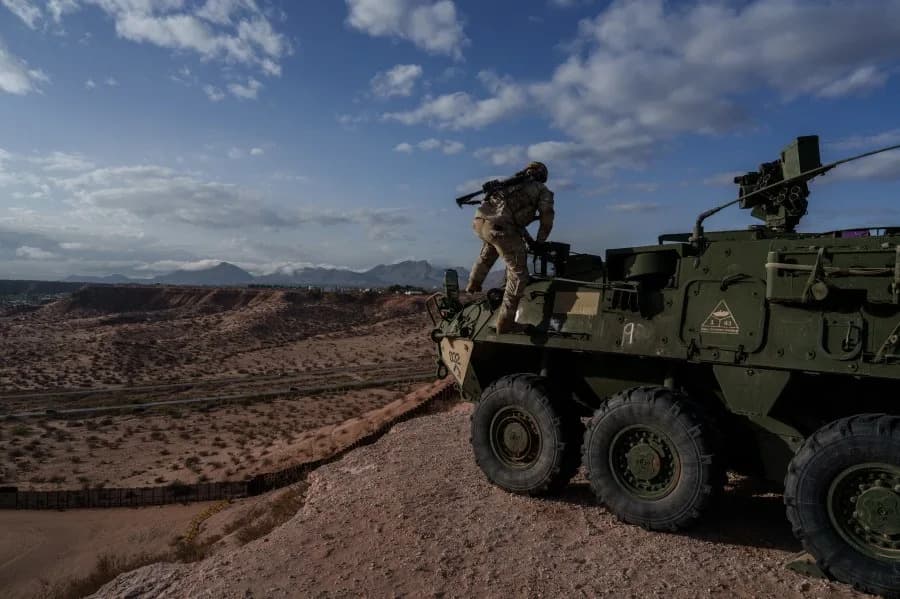
The Pentagon’s Joint Task Force–Southern Border has deployed Seasats’ solar-powered Lightfish unmanned surface vessels to patrol stretches of the Rio Grande and deter drug-smuggling activity. Contractor-operated USVs equipped with cameras, onboard AI and depth sensors augment Coast Guard and law enforcement patrols by providing persistent surveillance and the ability to be retasked remotely. Designed to withstand strong currents and obstacles, the Lightfish can remain deployed for extended periods with limited maintenance, forming part of a layered security approach to close longstanding enforcement gaps.
Drone Boats Join Border Patrol: Solar-Powered USVs Now Monitoring the Rio Grande
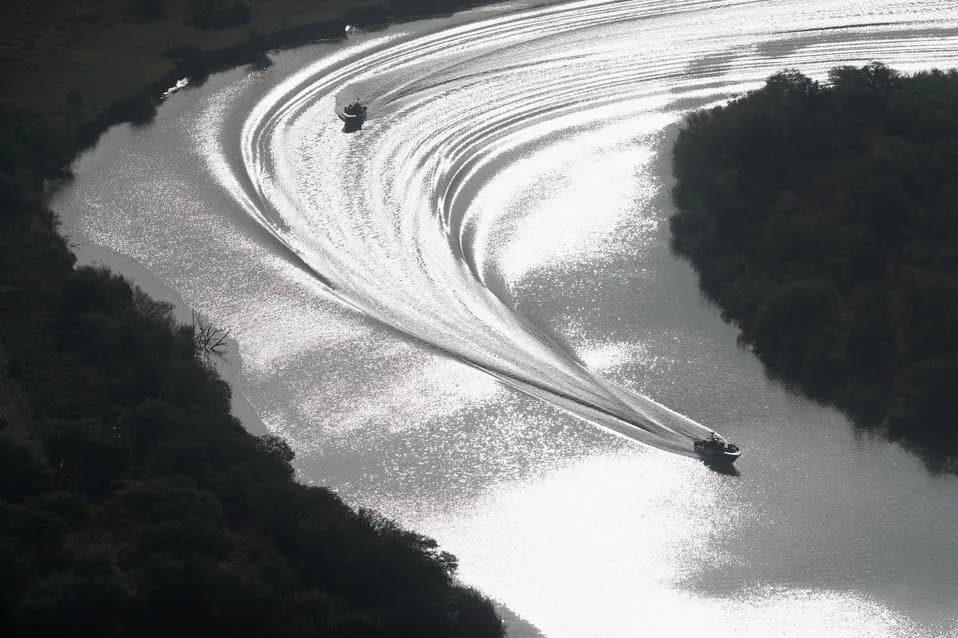
Texas State Troopers patrol the Rio Grande at the U.S.-Mexico border on August 18, 2016, a corridor long used by drug trafficking vessels. Now autonomous surface vessels, widely known as drone boats, are actively monitoring the area. (Photo by John Moore/Getty Images)Getty Images
The Pentagon’s Joint Task Force–Southern Border has deployed solar-powered unmanned surface vessels (USVs), commonly called drone boats, to augment patrols along the Rio Grande. Supplied by manufacturer Seasats, the Lightfish USVs are operating alongside U.S. Coast Guard and law enforcement vessels to detect and deter drug-smuggling activity in hard-to-reach river corridors.
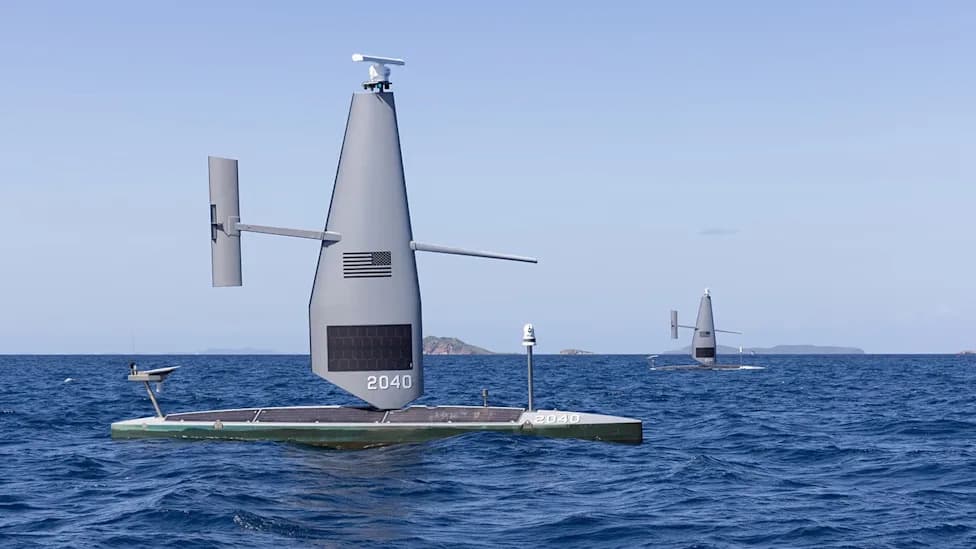
Contractor-operated and solar-powered: Contractors operate the Lightfish boats on the river; one was photographed on the Rio Grande in January 2026. The vessels are designed for long-duration deployment, able to remain on station for weeks or months with limited maintenance thanks to their compact, rugged design and solar power.
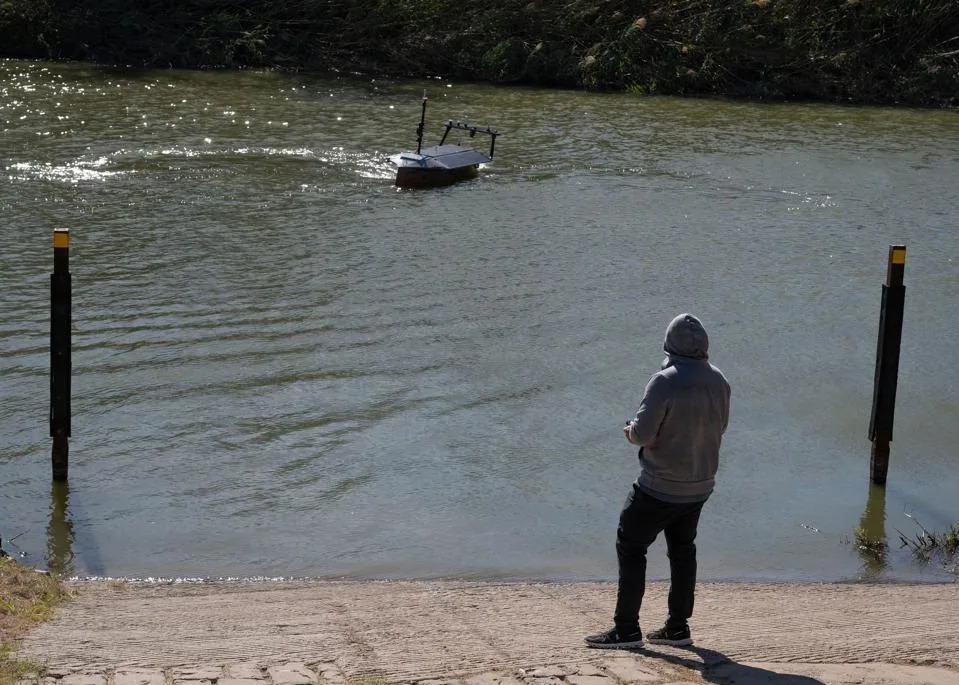
A contractor operates a Seasats Lightfish, an Unmanned Surface Vehicle (USV), in the Rio Grande river in Texas in January 2026. The USV is solar-powered and used to monitor illegal activity the area. (U.S. Army photo by Spc. Jacob D. Harrell)U.S. Defense Department
How the Lightfish Works
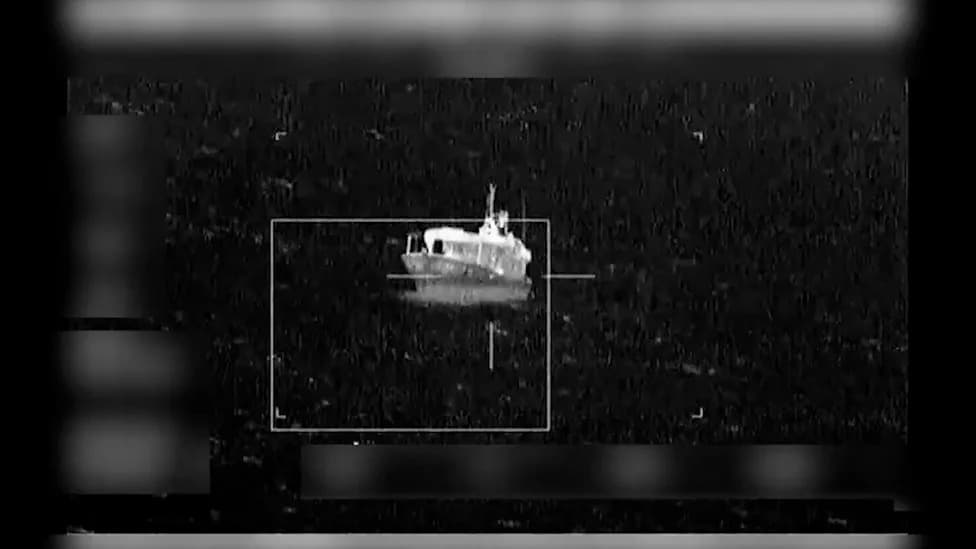
The Lightfish is equipped with onboard cameras, artificial intelligence for automated detection, and depth sensors to navigate shallow or obstructed waterways. Operators can remotely change speeds, retask vessels to shifting areas of interest, and receive sensor data and alerts in near real time. The USVs can autonomously navigate around obstacles and report suspicious activity to human operators.
“It’s certainly a challenging environment,” said Seasats CEO Mike Flanigan. “When this project was first raised by the Coast Guard, I know there were a lot of USVs in consideration. I have never heard of another USV operating on the Rio Grande, and I think that is because it has a lot of challenges.”
Flanigan and his team note the river’s strong currents, submerged obstacles (like logs and roots), and dense mud banks make persistent unmanned operations difficult. Seasats says Lightfish’s ruggedness and efficiency enable sustained missions that other USVs may not handle without frequent maintenance.
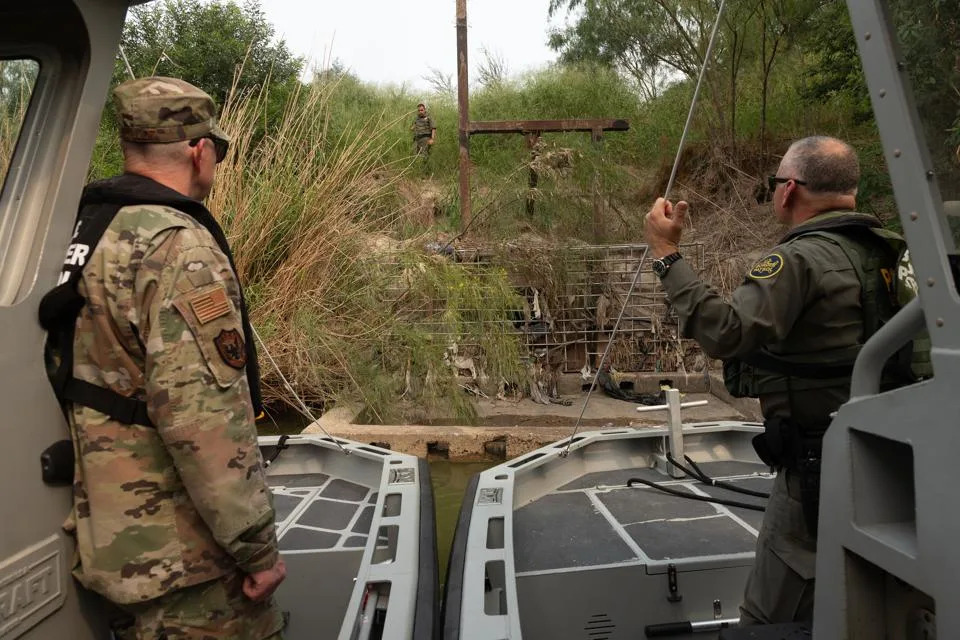
From left, Gen. Gregory Guillot, commander of U.S. Northern Command, and U.S. Border Patrol watch commander Ruben Garcia look at a tunnel formerly used to traffic illegal drugs across the Rio Grande in Texas in May 2025. Unmanned surface vessels are now being used to deter smugglers. (U.S. Army photo by Sgt. Caleb Woodburn)U.S. Department of Defense
Operational Context
The Rio Grande has long been a corridor for cross-border drug trafficking. A 2007 National Drug Intelligence Center (NDIC) report documented frequent river breaches by traffickers—sometimes armed with military-grade weapons—and described patterns in which narcotics were moved across the river, transferred to waiting vehicles, or concealed in vegetation for later retrieval. Those patterns, along with past shortages of Border Patrol agents, have left enforcement gaps the task force aims to close.
The Lightfish USVs are being used as part of a layered security approach that includes manned Coast Guard and military boats. The autonomous vessels extend the reach and persistence of manned patrols, providing continuous coverage and the flexibility to be repositioned where needed.
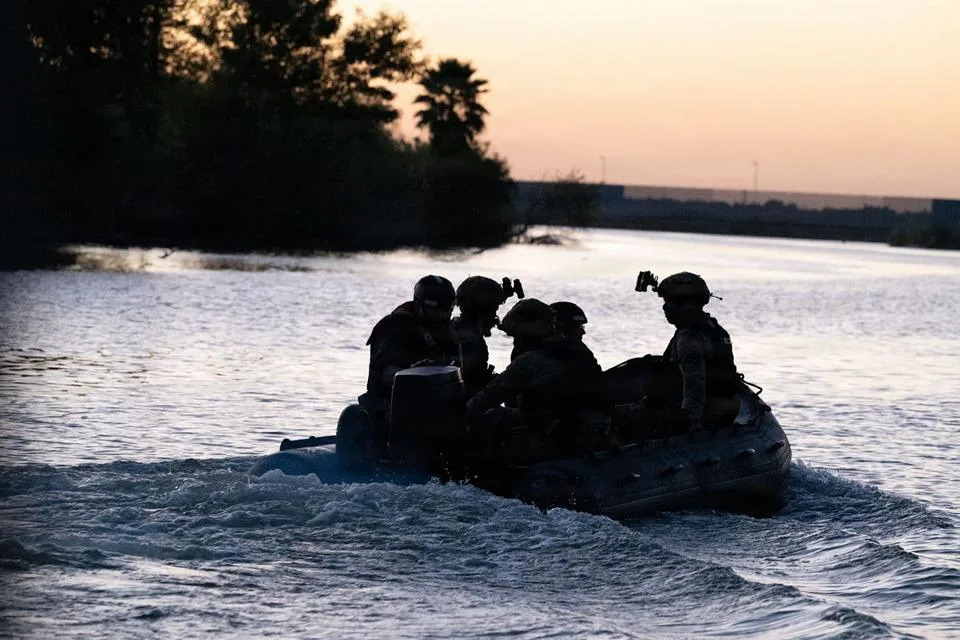
Coast Guard MSRT members test rubber crafts on the Rio Grande in McAllen, Texas in October 2025 as part of a surge to extend control over approximately 260 miles of the river. (U.S. Coast Guard photo by Petty Officer Third Class Mason Svitenko)U.S. Coast Guard
Seasats previously collaborated with the U.S. Navy to send a Lightfish on a nonstop Atlantic crossing to Portugal, arriving a little over two months after launching from Florida and setting speed benchmarks for the platform. That ocean voyage highlighted the platform’s endurance and capabilities, which Seasats and the Defense Department are now applying to inland river patrols.
Implications and Outlook
The Joint Task Force’s use of AI-powered USVs on the Rio Grande demonstrates how autonomous systems can act as persistent security assets in confined, complex environments. Officials say these systems can help reduce blind spots, improve early warning, and allow human teams to focus on interdiction and response. As unmanned systems proliferate across air, land and sea, the operation may signal broader future use of USVs in both public and private security roles—subject to policy, oversight and community considerations.
Help us improve.