The Sagrada Família will mark the symbolic completion of its 18th spire on June 10 when Pope Leo XIV visits Barcelona to bless the tower on the centenary of Antoni Gaudí’s death. Completed in February, the final spire makes the basilica the world’s tallest church at 172.5 m and is topped by a luminous glass-and-ceramic cross. Major work remains — chiefly the Glory Façade, a monumental staircase and a public park — which may require demolishing two residential blocks and affect about 200 residents. Craftsmen rebuilt Gaudí’s plans after interruptions during the Spanish Civil War, and finishing touches are expected through 2034.
Pope Leo XIV To Bless Sagrada Família’s Final Tower in Barcelona on June 10 — A Century After Gaudí
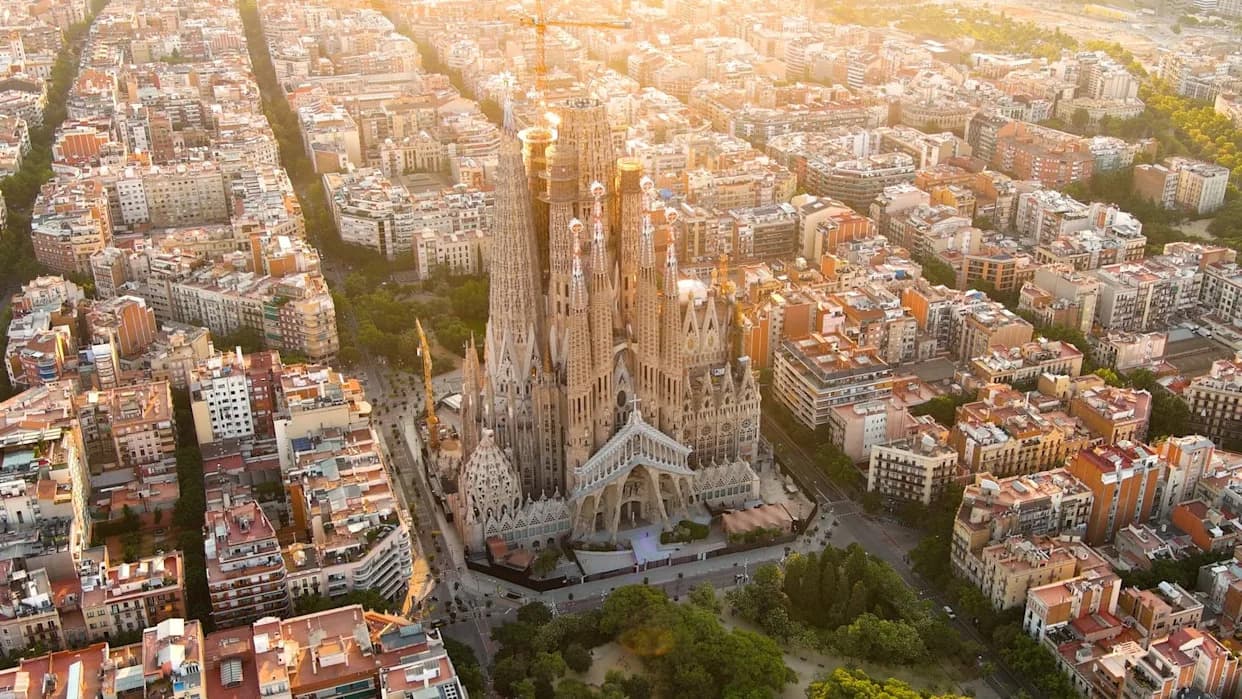
Pope Leo XIV Is Traveling to Barcelona to Inaugurate the Sagrada Família’s Final Tower
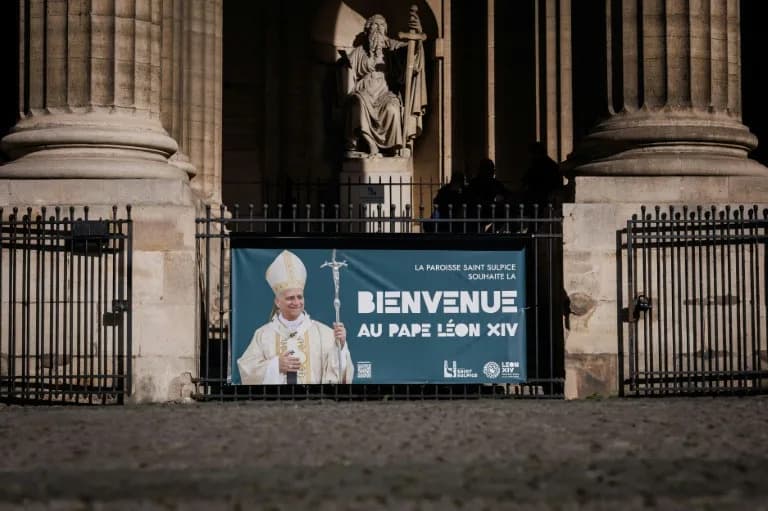
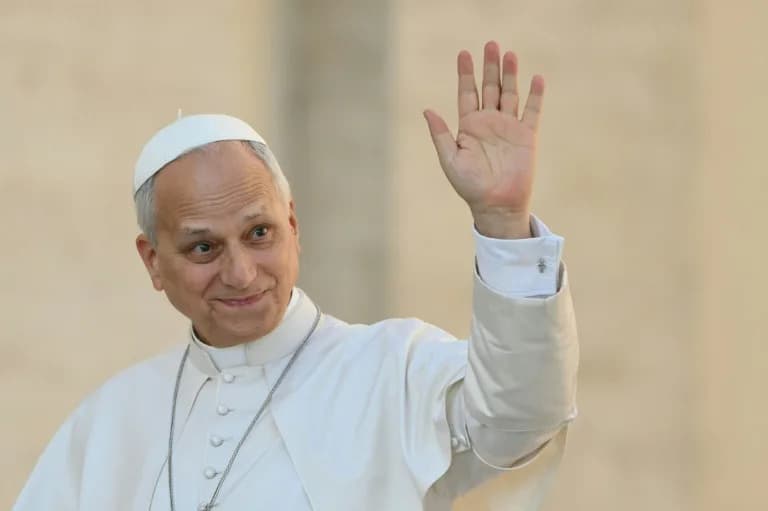
Barcelona’s Sagrada Família will mark a symbolic milestone on June 10 when Pope Leo XIV travels to the city to bless the basilica’s final tower during a Mass that coincides with the 100th anniversary of architect Antoni Gaudí’s death. Spain’s Prime Minister Pedro Sánchez is expected to attend. Although construction has continued for 144 years, the church has remained open to visitors for most of that time; remaining architectural and decorative work is expected to continue through 2034.
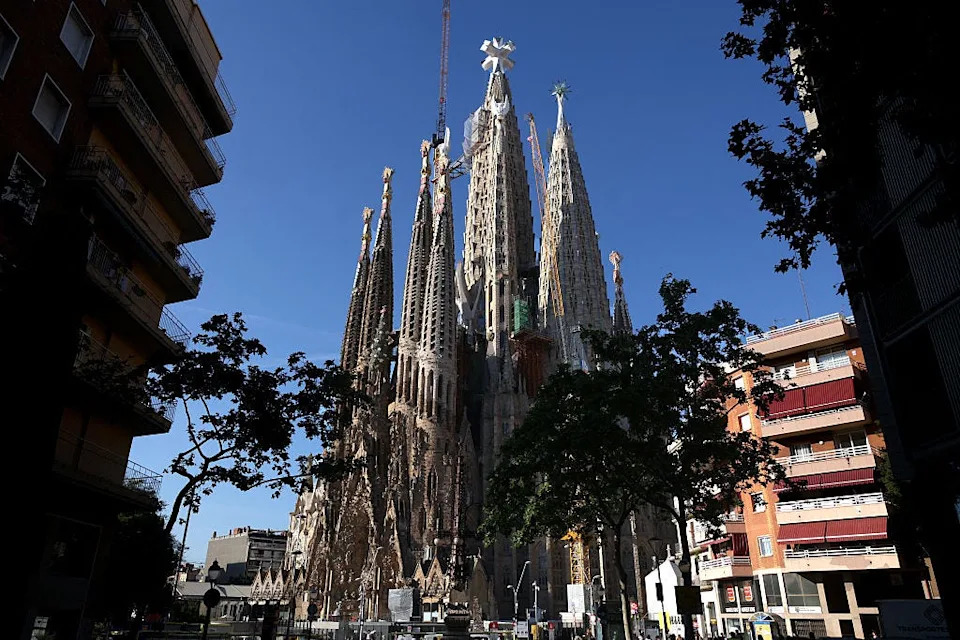
The new tower is the center, tallest one with the large white cross on top.THOMAS COEX - Getty Images
The Final Tower
The basilica’s 18th and final spire was completed in February, making the Sagrada Família the world’s tallest church at 172.5 meters (566 feet). The tower is crowned by a four‑arm cross of glass and white ceramic designed to glow by day and night, in keeping with Gaudí’s specifications. A devout Catholic, Gaudí deliberately set the spire’s height slightly below nearby Montjuïc hill (177 meters / 581 feet), saying he would not allow human construction to surpass the work of God.
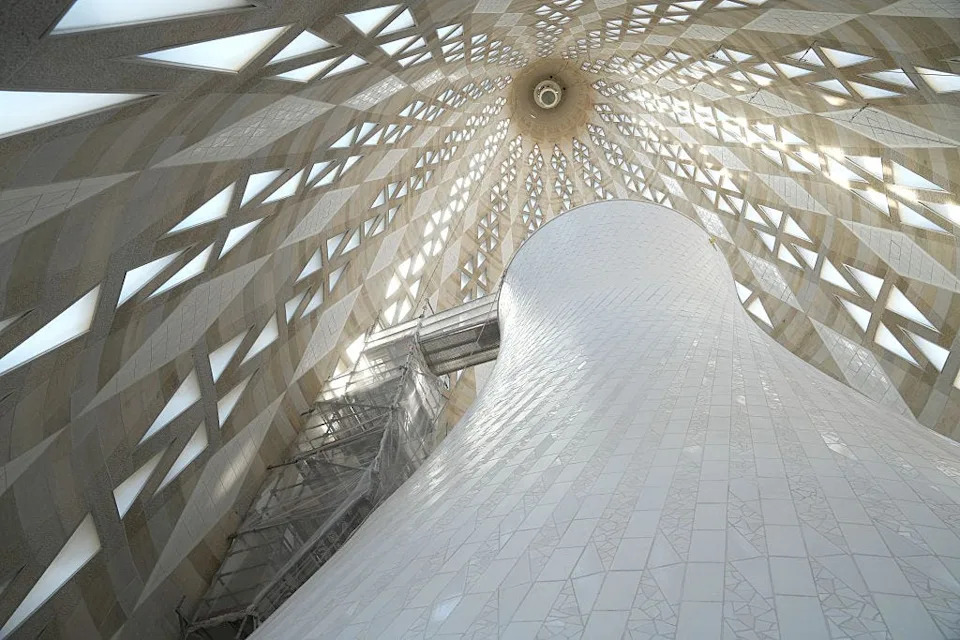
A view of inside the new tower during a media preview in May.Europa Press News - Getty Images
What Still Needs To Be Done
The most significant unfinished elements are the Glory Façade — the basilica’s largest and final entrance on the south side — together with a monumental staircase and a public park. Completing that portion of Gaudí’s plan would require demolishing two residential blocks, a controversial prospect in a city facing a severe housing shortage. Barcelona’s city council is negotiating relocation and compensation options with roughly 200 affected residents, but no timeline has been announced.
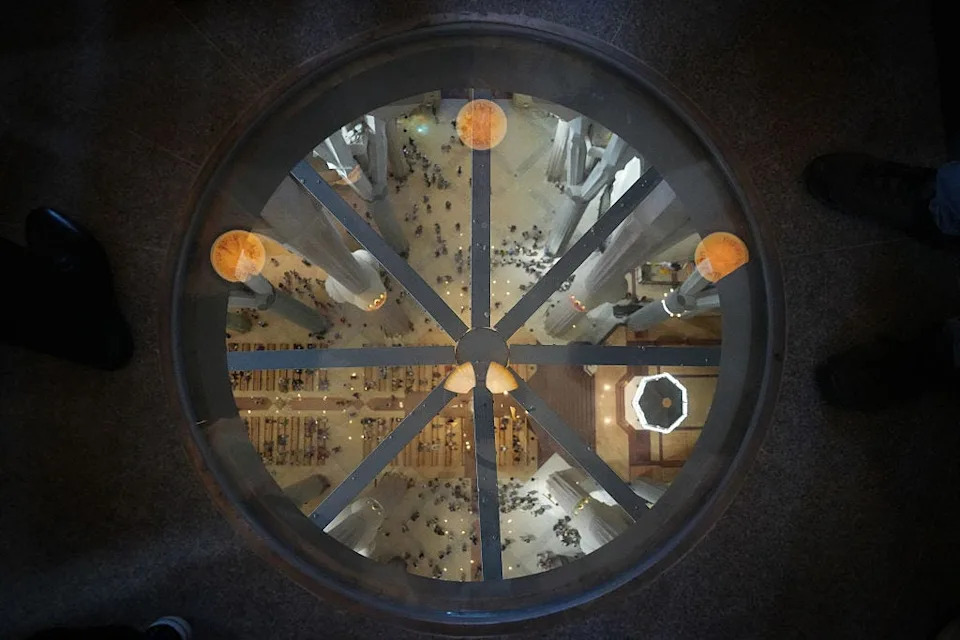
A view from a form, where visitors are allowed to stand, in the new platform looking down into the nave of the basilica.Europa Press News - Getty Images
Origins, Interruptions And Reconstruction
Work on the Sagrada Família began in 1882 under architect Francisco de Paula del Villar, who initially proposed a Gothic Revival design. Within a year Gaudí — then 30 — took charge and reimagined the project as a structure inspired by nature, with columns branching like trees and geometries derived from organic forms. He famously told the parish he would finish it in ten years, later remarking, "My client is not in a rush," referring to God. Gaudí never saw the building completed; he died in 1926 after being struck by a streetcar in Barcelona and is buried in the basilica’s crypt.
The Spanish Civil War (1936–1939) interrupted construction and destroyed many of Gaudí’s original drawings and models. Work resumed in the 1950s, and architects and craftsmen reconstructed Gaudí’s intentions from photographs, plaster models and memory. The project’s extraordinary complexity led many to regard it as effectively unfinishable for long periods.
"The challenge is to do what Gaudí wanted as quickly and efficiently as possible, using current technology, without losing the essence of the handcrafted piece," said stonemason Jordi Barbany, whose family has worked on the basilica since its foundation.
Visitors will still be able to tour much of the basilica during ongoing works. Those overseeing the project emphasize balancing modern techniques with fidelity to Gaudí’s handcrafted vision as they push toward a projected completion of the final decorative and urban elements around 2034.
Help us improve.