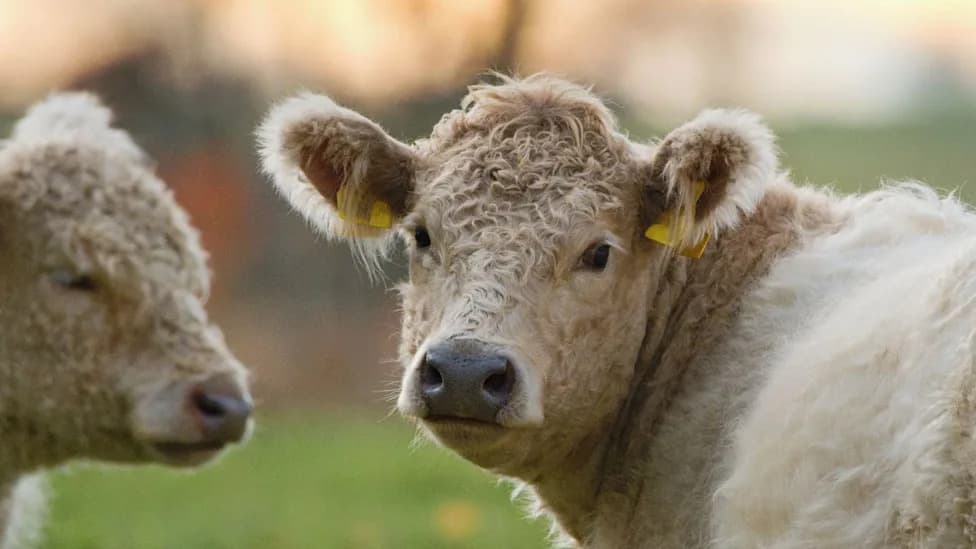
The Scottish government found 271 cattle at Falkland Estate in Fife were unidentifiable and untraceable, leading the farm to decide to slaughter the animals. The herd included Aberdeen Angus and Belted Galloway, and the stock could be worth up to £500,000, with no compensation expected. Inspectors cited breaches of ScotEID tagging and movement rules; officials will attend to verify the slaughter and the farm may face additional costs or loss of support payments.
Fife Farm To Cull 271 Cattle After Traceability Inspection Finds Major Breach
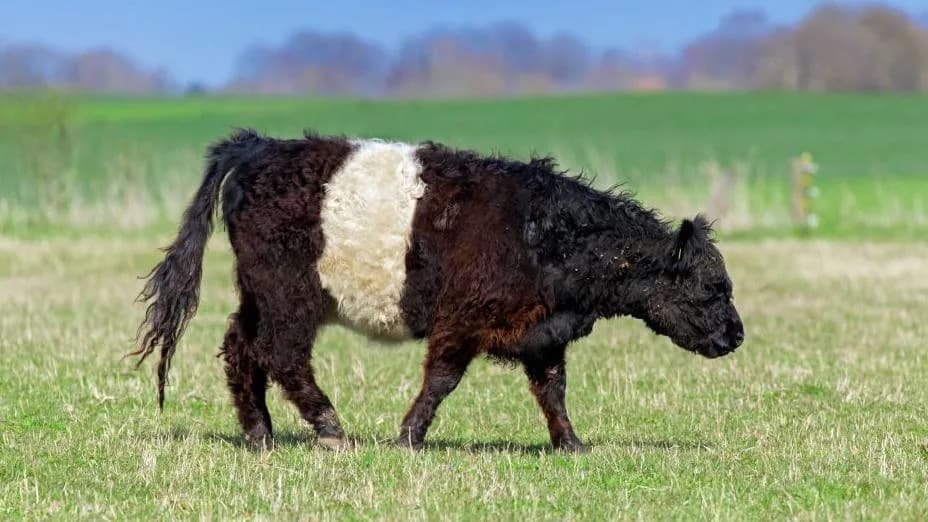
Falkland Estate is home to Aberdeen Angus and Belted Galloway, pictured (stock image) [Anadolu via Getty Images]
A farm in Fife has opted to slaughter 271 cattle after a Scottish government inspection found the animals were "unidentifiable and untraceable," meaning they cannot enter the food chain.
The animals, kept at Falkland Estate and reported to include Aberdeen Angus and Belted Galloway, were discovered to be non-compliant with mandatory identification and movement recording rules. Under Scottish law, farmers must record births, tag calves and log movements on the national database ScotEID.
A Scottish government spokesperson said inspectors found "non-compliance with regulations" during a cattle identification and traceability inspection and that the 271 animals were placed under a permanent movement restriction.
The BBC has reported this may be one of the largest incidents of its kind in Scotland. The Scottish Farmer has suggested Falkland Estate is not expected to receive compensation for the destroyed stock, which could be worth up to £500,000, and the farm may also be liable for slaughter costs. The severity of the breach could additionally affect the business's eligibility for government farm support payments.
Scottish government officials said inspectors will attend to "verify the slaughter." Strict rules require animals to carry official ear tags and a fully traceable history recorded on ScotEID so authorities can trace livestock quickly in the event of disease outbreaks. Calves must be tagged within statutory deadlines, with tighter requirements for dairy animals than for beef.
Inspectors routinely check paper records against ScotEID and conduct on-farm visits to ensure compliance. Animals that cannot be properly identified or traced are placed under movement restriction and, in the most serious cases, may be required to be slaughtered to protect public health and control disease.
No further details about when the inspection took place or how the traceability failures occurred have been released. Falkland Estate has been approached for comment.
Help us improve.