Europol supported multi‑country raids into an alleged network that gave thousands of retired racehorses false identities and sold them for slaughter. About 200 investigators across Ireland, France, the Netherlands and Belgium checked 1,000+ horses; many were seized. Belgian prosecutors say forged documents and tampered microchips were used, and authorities recovered over €100,000 in cash and arrested three suspects.
Europol Backs Raids On Suspected Horse‑Meat Network After Thousands Of Retired Racehorses Given False Identities

FILE PHOTO - A view of the Europol building in The Hague. (is associated with: «Europol targets suspected illegal horse meat network») Jerry Lampen/anp/dpa
Europol supported coordinated raids in Ireland, France, the Netherlands and Belgium targeting an alleged criminal network accused of reclassifying thousands of retired racehorses and selling them for slaughter, the European police agency said on Thursday.
Investigators suspect that many animals that were not certified for human consumption — some because they had received veterinary medications — were illegally processed into meat products. Belgian prosecutors in Dendermonde lead the probe into the cross‑border ring.
Investigations And Allegations
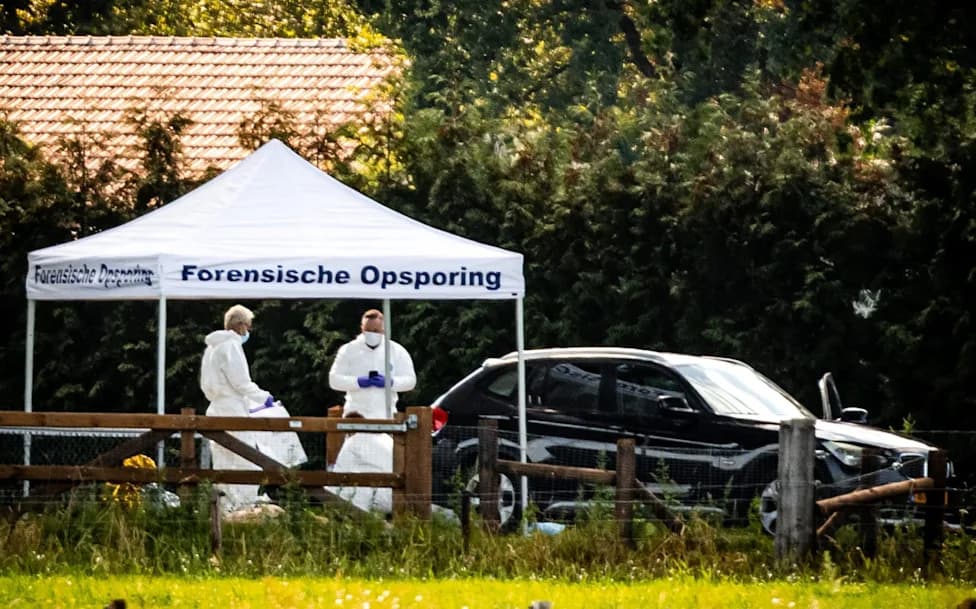
Around 200 investigators carried out searches across the four countries, checking more than 1,000 horses and seizing a large number of animals. Prosecutors say suspects used forged paperwork and tampered microchips to falsely register retired racehorses as fit for slaughter.
Under the alleged scheme, horses with little market value could be sold for slaughter for roughly €1,000–€1,500. Authorities are tracing the fate of animals linked to the network and examining whether meat from untreated horses entered the food chain.
Animal Welfare And Supply Chain Concerns
Dutch animal welfare group House of Animals told investigators that many of the horses appeared to have been retired racehorses from the United Kingdom and Ireland, transported in poor conditions to other European countries before arriving at slaughterhouses. The organisation also warned that horse meat was allegedly processed into snacks — including meatballs and croquettes — and distributed through wholesalers in the Netherlands.
Seizures And Arrests
Belgian authorities say they recovered more than €100,000 in cash and arrested three suspects in connection with the operation. Investigators continue to identify other individuals, trace funds and follow supply chains to determine how far illegal processing may have spread.
Next steps: Authorities will carry out further forensic testing on seized animals and documents, review transport records and work with food safety agencies to confirm whether any meat entered consumer markets.
Help us improve.