The FDA has accepted Roche’s NDA for giredestrant as an adjuvant therapy for adults with ER-positive, HER2-negative stage I–III breast cancer and granted priority review, with a decision expected by 30 November 2026. Phase III lidERA results showed a 30% reduction in the risk of invasive recurrence or death and a three-year iDFS of 92.4% vs 89.6% (giredestrant vs control). Safety signals were favourable, with lower discontinuation for adverse events (5.3% vs 8.2%), while overall survival data remain immature and will require longer follow-up.
FDA Grants Priority Review to Roche’s Giredestrant as Adjuvant Therapy for Early-Stage ER-Positive Breast Cancer
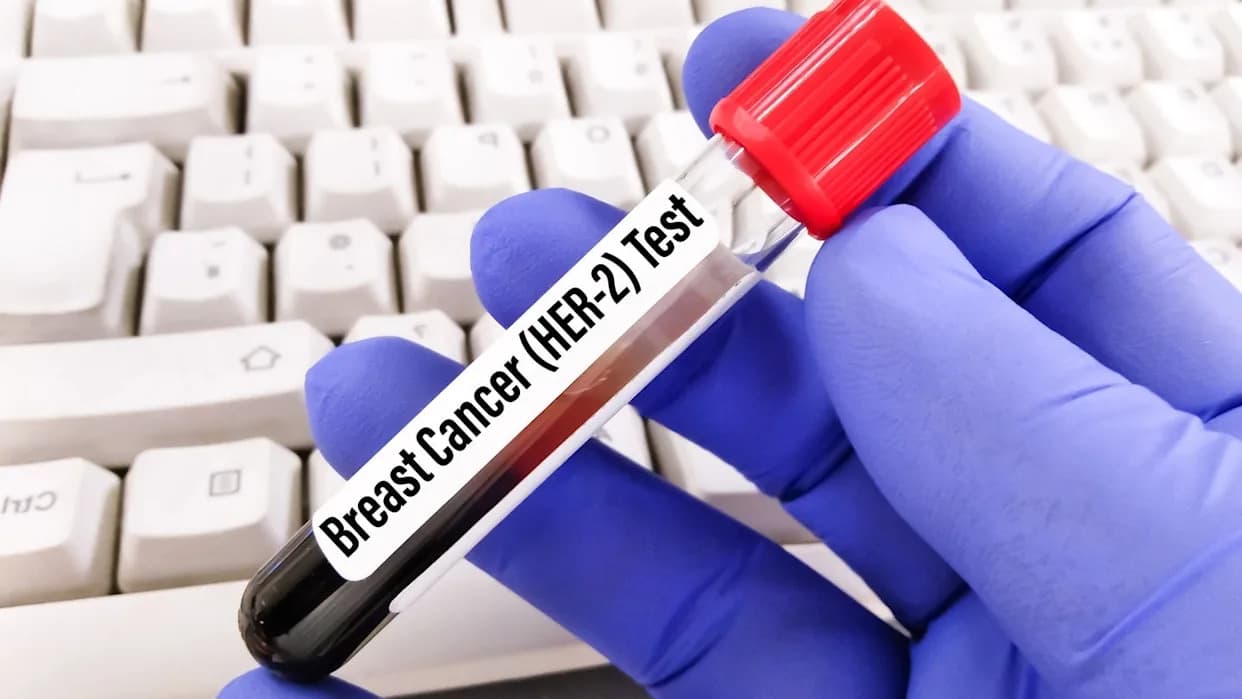
The filing acceptance is based on Phase III data from the lidERA Breast Cancer study. Credit: Arif biswas / Shutterstock.com.(Arif biswas / Shutterstock.com.)
The US Food and Drug Administration (FDA) has accepted Roche’s new drug application (NDA) for giredestrant—an investigational oral selective estrogen receptor degrader (SERD)—for priority review as an adjuvant treatment for adults with estrogen receptor (ER)-positive, HER2-negative, stage I–III breast cancer. A regulatory decision is expected by 30 November 2026.
The filing is supported by results from the Phase III lidERA Breast Cancer study, a randomized, open-label, multicenter trial that enrolled more than 4,100 patients with medium- or high-risk stage I–III ER-positive, HER2-negative disease. The study's primary endpoint was invasive disease-free survival (iDFS); key secondary endpoints included overall survival (OS), disease-free survival and safety.
Key Efficacy Results
In lidERA, adjuvant giredestrant reduced the risk of invasive disease recurrence or death by 30% versus standard-of-care endocrine therapy. At three years, iDFS was 92.4% with giredestrant compared with 89.6% for the control arm. The iDFS benefit was consistent across clinically relevant subgroups. Overall survival data are currently immature, though investigators observed a favourable trend.
Safety And Tolerability
Treatment discontinuation due to adverse events occurred in 5.3% of patients receiving giredestrant versus 8.2% on standard endocrine therapy. Ongoing safety and subgroup analyses— including recent presentations at the 2026 American Society of Clinical Oncology (ASCO) Congress—continue to refine the drug’s tolerability profile.
“Giredestrant represents the first major endocrine therapy advance in early-stage ER-positive breast cancer in decades, where the chance for cure is highest,” said Levi Garraway, Roche’s chief medical officer and head of global product development. “The FDA’s filing acceptance brings us closer to delivering a new standard of care for people with early-stage disease.”
Separately, the FDA has accepted an NDA for giredestrant in combination with everolimus for ESR1-mutated, ER-positive advanced breast cancer, with a regulatory decision expected in December 2026. In April 2026, Roche also signed a collaboration agreement with C4 Therapeutics to advance research into degrader-antibody conjugates as a potential new cancer therapeutic modality.
If approved, giredestrant could meaningfully change adjuvant endocrine therapy for ER-positive early-stage breast cancer. Continued follow-up and upcoming data releases will be important to confirm long-term survival benefits and further characterise the safety profile.
Help us improve.