Norway's foreign minister has reopened discussion of EU membership, saying the international environment has shifted from a "benign" to a "crazy" world. Although Norwegians rejected membership in 1972 and 1994, Norway remains in the EU single market via the EEA and follows many EU rules without a vote. Trade tensions with the United States, divisions within NATO and the EU's interest in securing energy supplies have made membership more attractive. Any move toward joining would require complex negotiations and likely another referendum.
Norway Reconsiders EU Membership as World Shifts From 'Benign' to 'Crazy'
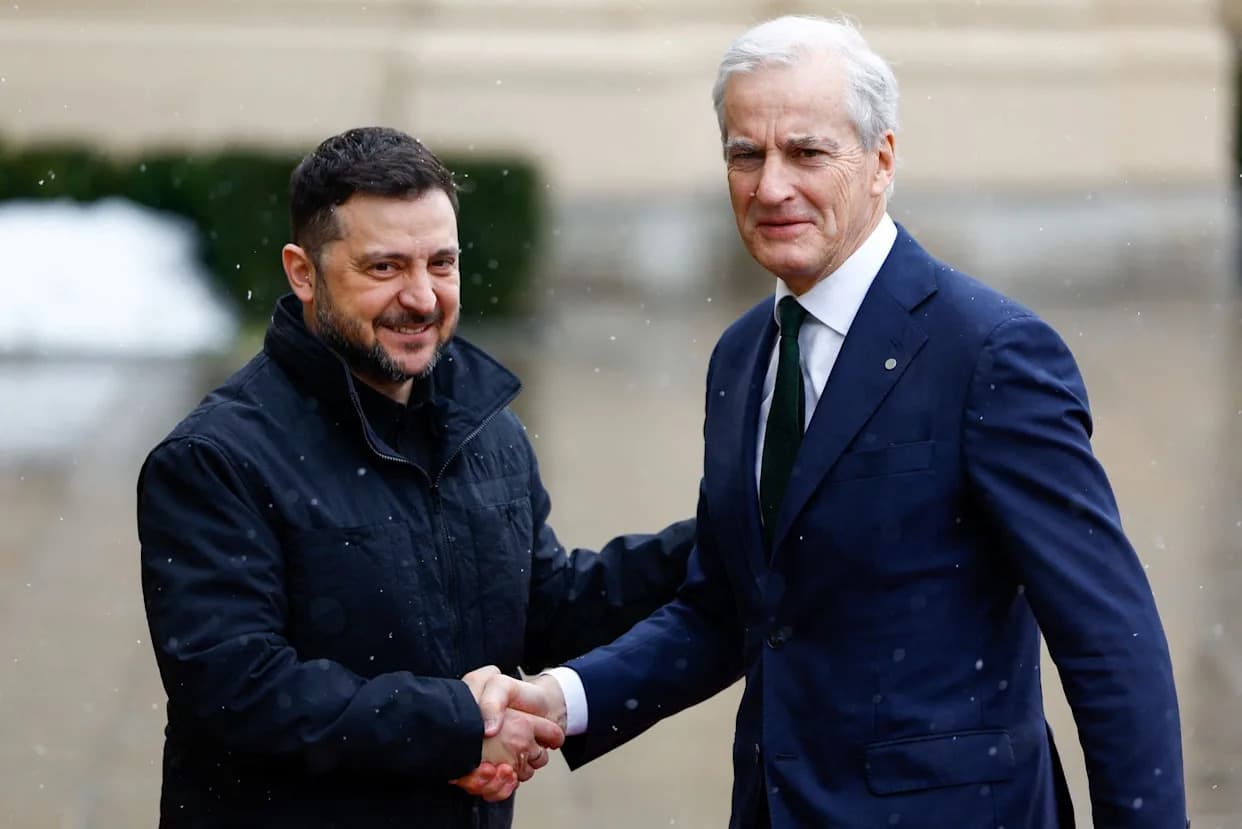
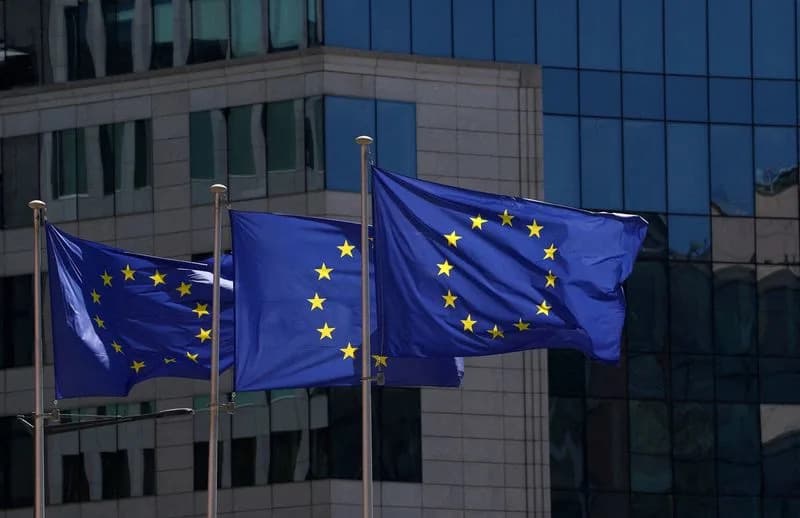
Norway has reopened the debate on joining the European Union, its foreign minister said, arguing that the international environment has moved from a "benign world" to a "crazy world." The comments, made to the Financial Times, signal a renewed public discussion about Oslo's relationship with the bloc.
Norwegians voted against joining the EU in referendums in 1972 and 1994. Despite rejecting membership, Norway participates in the EU single market through the European Economic Area (EEA) agreement, which subjects it to many EU trade rules and regulations while leaving it without representation in EU decision-making bodies.
Why Membership Is Back on the Table
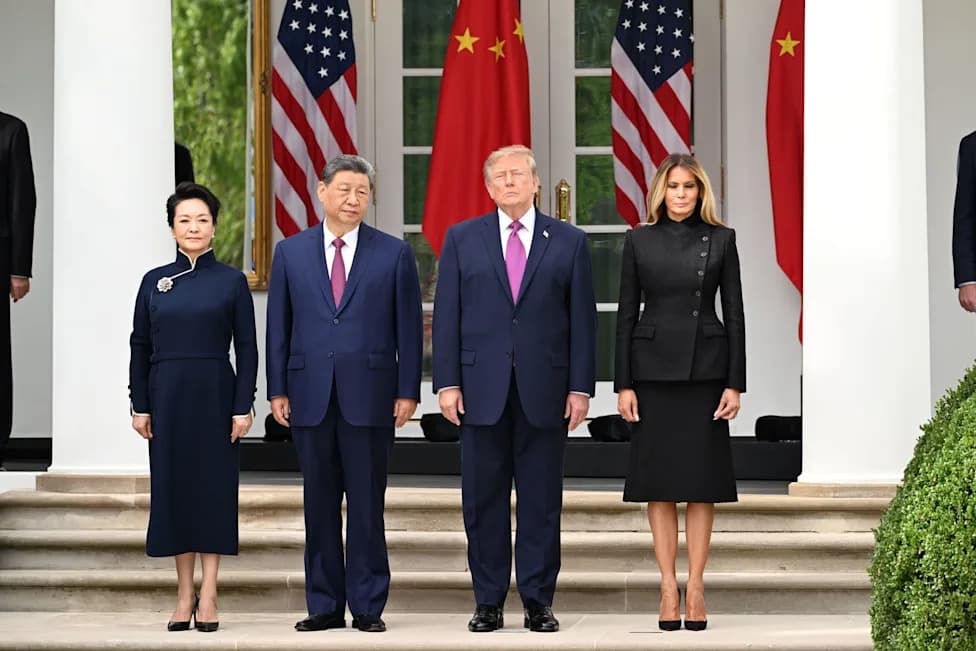
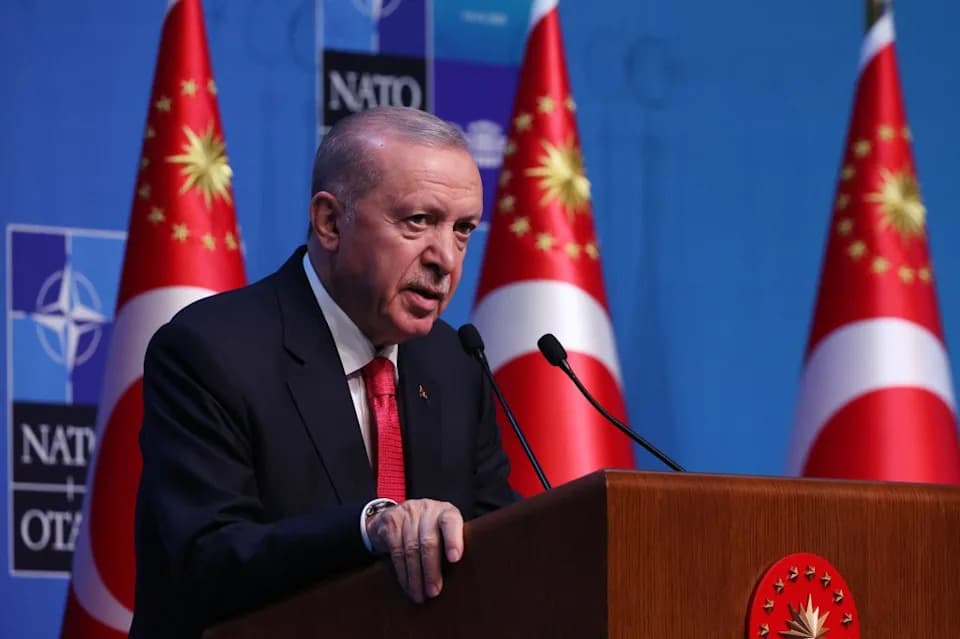
Espen Barth Eide, Norway's foreign minister, pointed to rising trade tensions with the United States and widening divisions within NATO as factors that make formal EU membership more attractive. Tariff disputes and geopolitical uncertainty, he said, have changed Norway's calculations about where its long-term interests lie.
"We have moved from a benign world to a crazy world," Eide told the Financial Times, explaining why the question of EU membership deserves fresh attention.
EU Enlargement And Energy Considerations
Brussels is reportedly interested in closer ties with Norway, which is Europe’s largest oil and gas producer. Analysts say admitting Norway would strengthen the EU's energy security but would also require careful negotiation over fisheries, sovereignty and domestic political sensitivities in Norway.
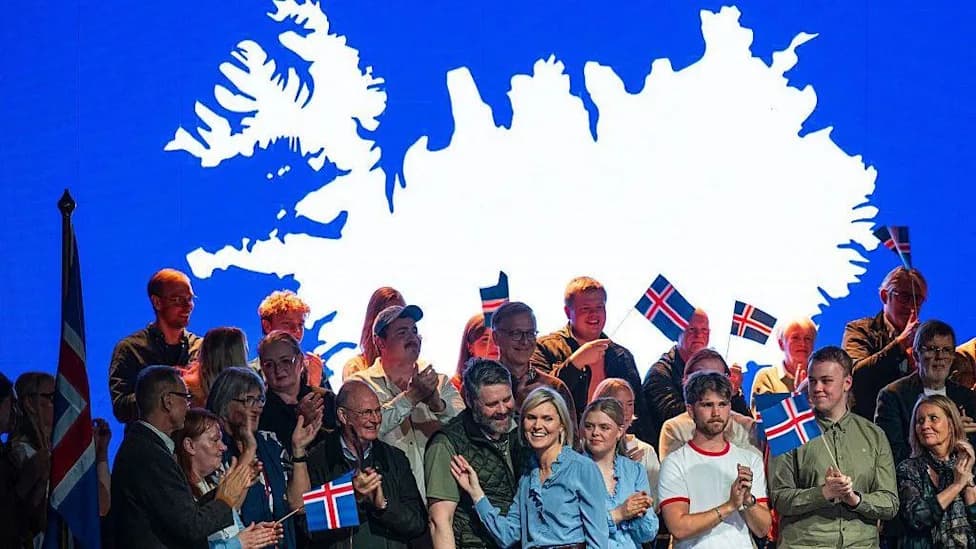
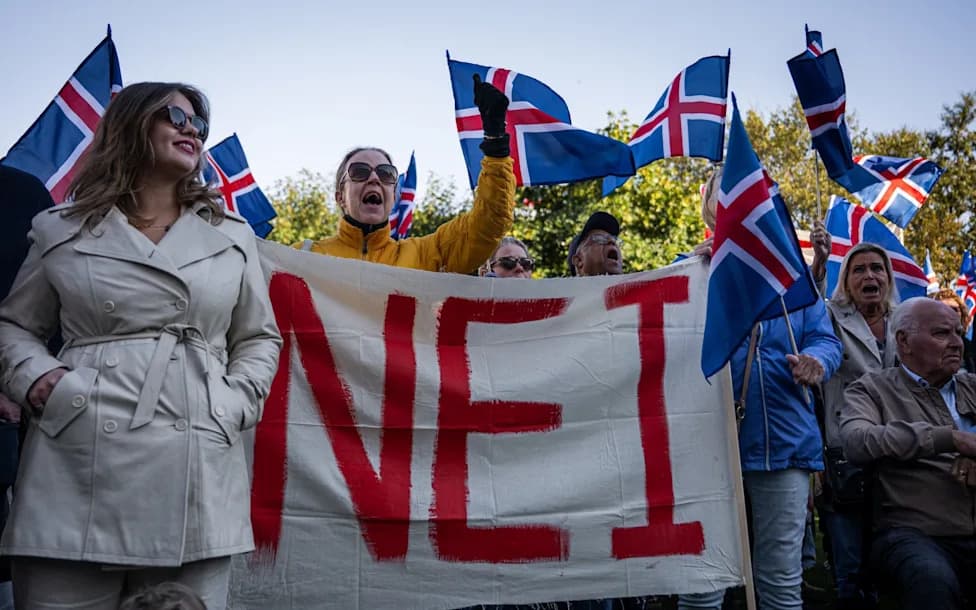
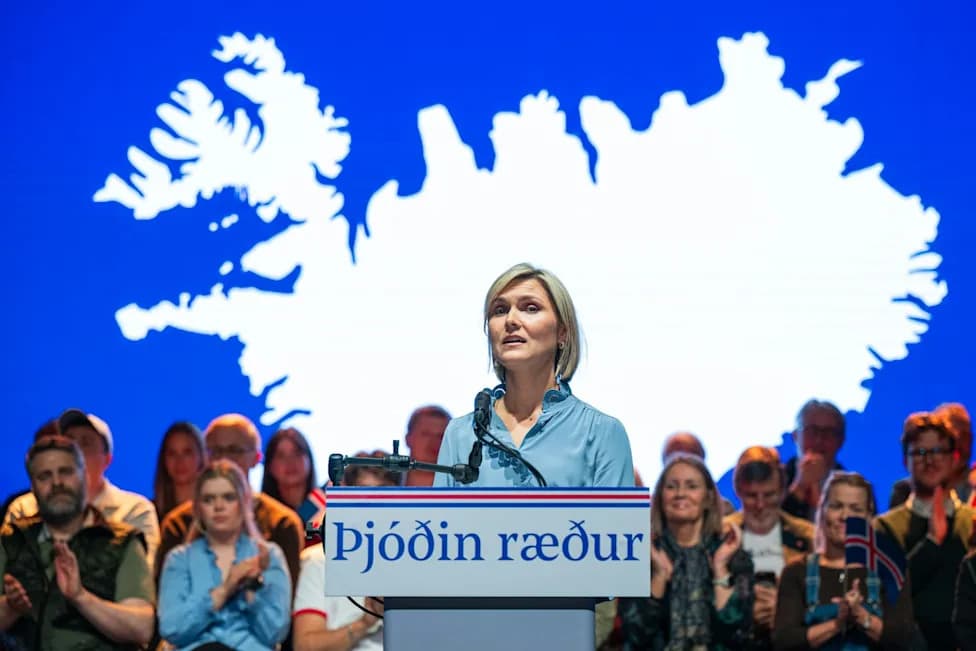
The EU is pursuing enlargement on several fronts: Iceland is preparing a referendum in August, and nine other states are official candidates, notably Ukraine. At the same time, the bloc appears less receptive to the idea of the United Kingdom rejoining in the near term.
What Comes Next
A renewed debate in Norway would trigger intensive national discussions and, if pursued, likely require another referendum. Any move toward membership would involve complex negotiations over policy opt-outs, economic terms and the transfer of certain national competences to EU institutions.
For now, the announcement marks a political signal rather than an immediate policy shift — but it puts a familiar question back into the spotlight at a time of growing geopolitical uncertainty.
Help us improve.