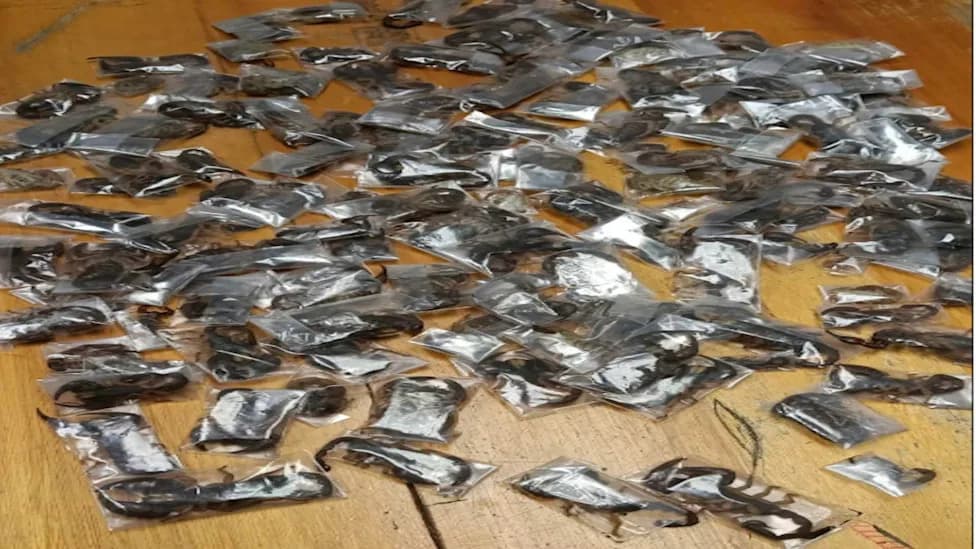
Argentine officials intercepted 709 marine animals from Kenya at Ezeiza International Airport; the shipment contained 102 species and many animals arrived dead. Fundación Temaikèn and partners ran a 28-hour rescue operation, adding tanks and performing individual drip-acclimation to stabilize survivors. Experts from the International Fund for Animal Welfare called the seizure 'industrialized' and flagged it as the third similar interception at the same entry point in a year, suggesting an established trafficking corridor. No arrests have been reported.
709 Marine Animals Seized at Buenos Aires Airport — Many Dead as Experts Call It 'Industrialized' Smuggling
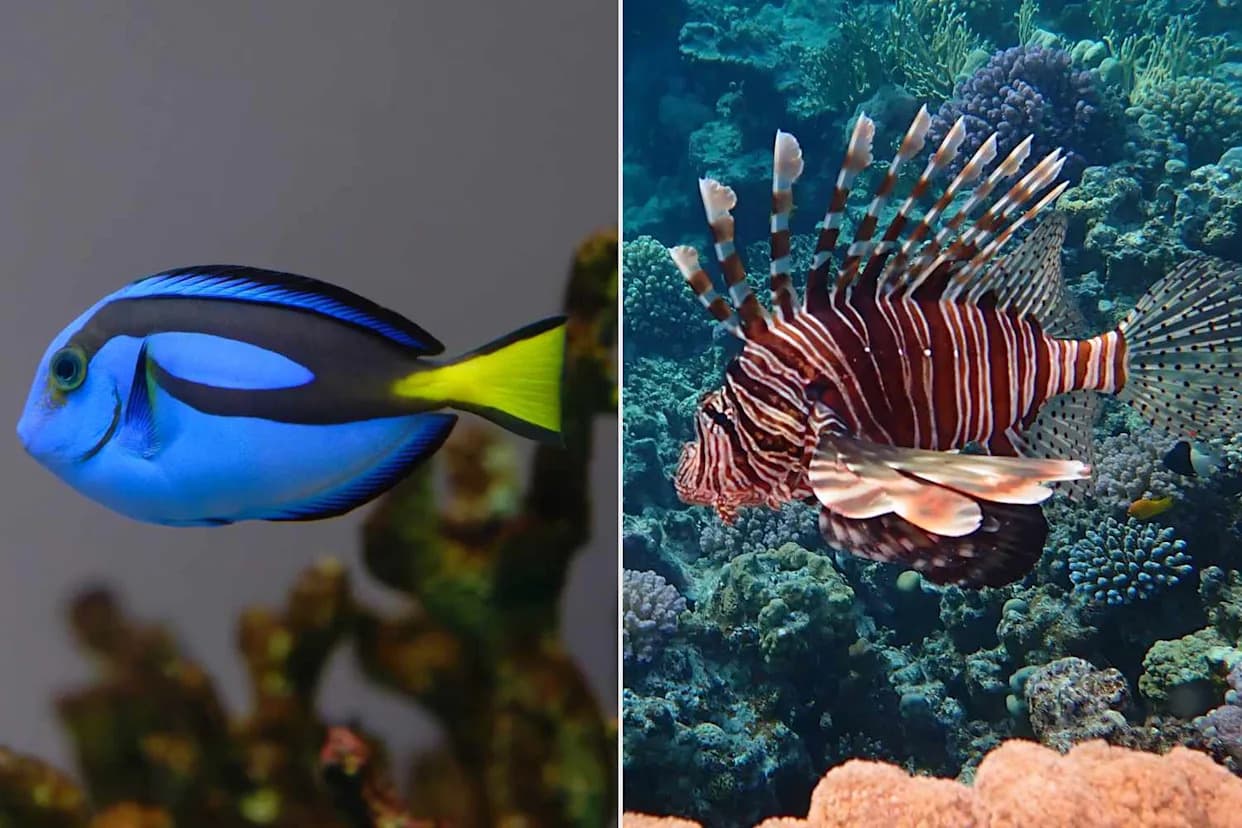
Palette surgeonfish (left) and a scorpionfishCredit: Getty (2)
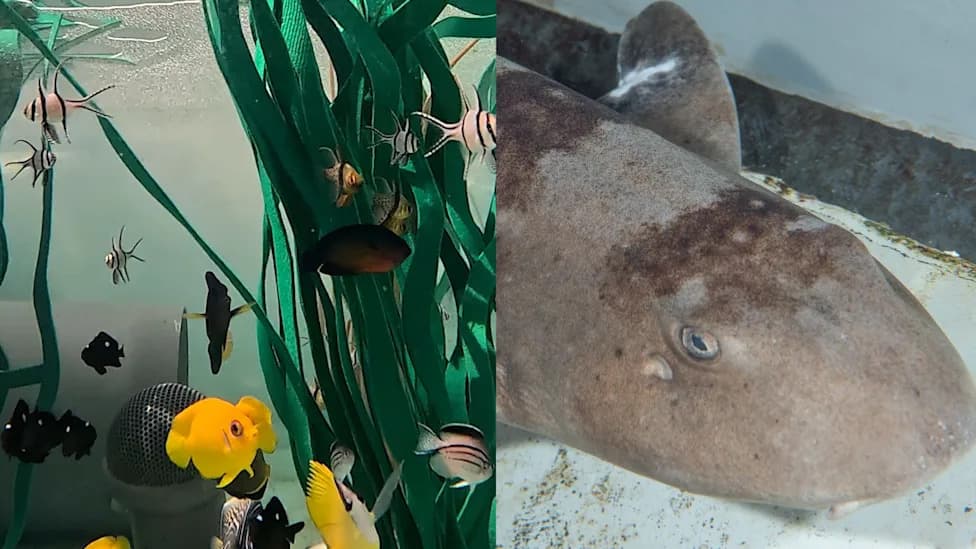
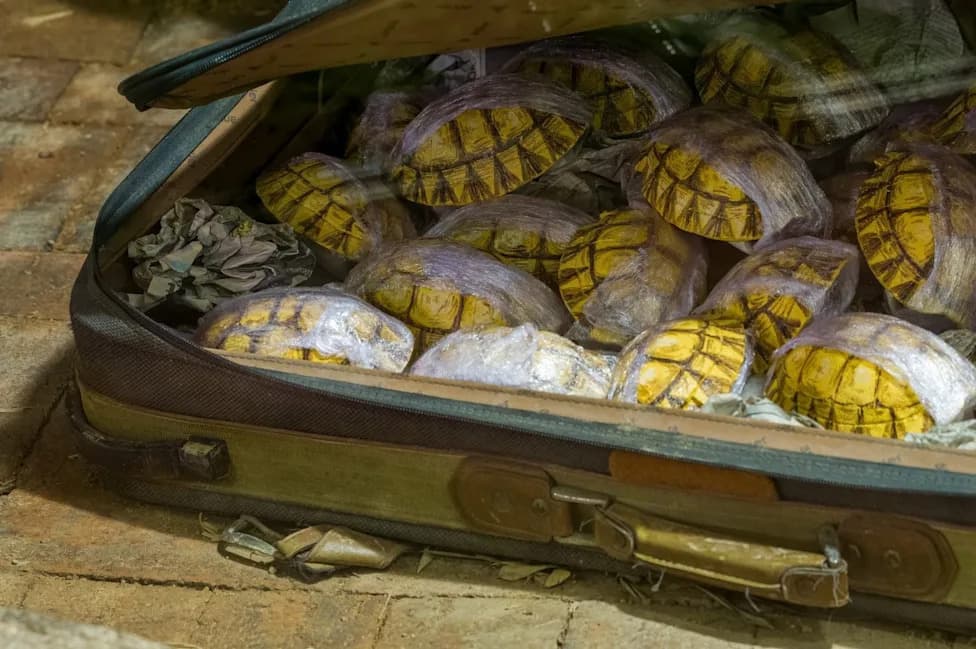
Argentine authorities intercepted a shipment of 709 marine animals at Ezeiza International Airport near Buenos Aires after the animals were transported from Kenya in hundreds of single-use plastic bags. The consignment, which included 102 species, arrived after roughly five days in transit; many animals were dead on arrival and survivors showed severe stress and shock.
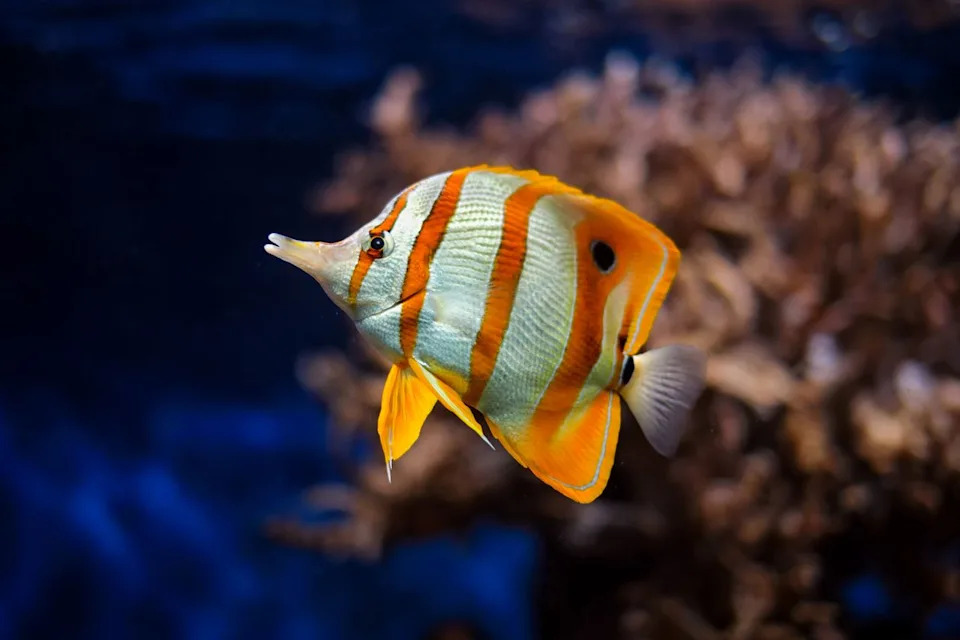
A copperband butterflyfish (Chelmon rostratus)Credit: Getty
Details of the Seizure
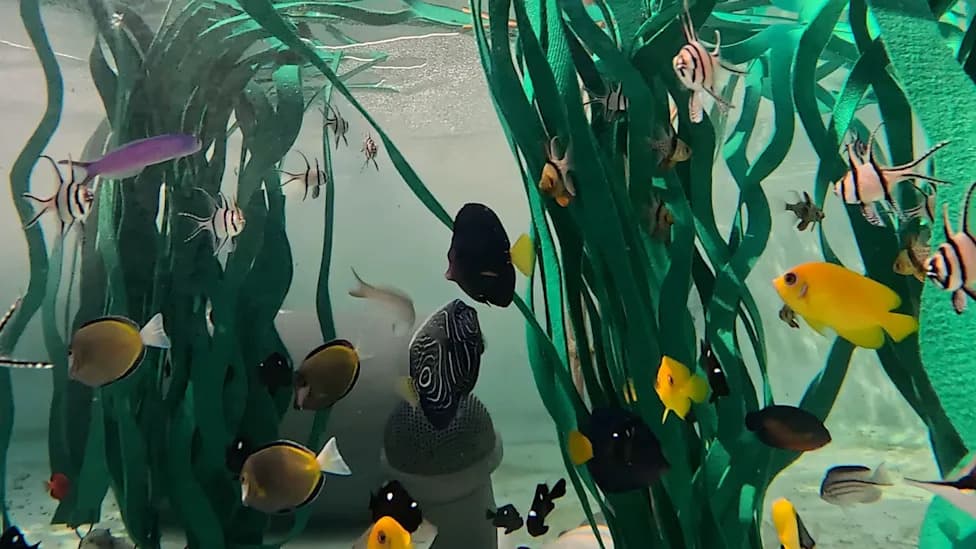
The late-April operation involved Argentina's Environmental Control Brigade, agricultural health inspectors, customs officers, the rehabilitation organization Fundación Temaikèn, and the International Fund for Animal Welfare. Officials identified species commonly targeted for private aquariums and exotic collections, including surgeonfish, puffer fish, lionfish, butterflyfish, octopuses, crabs, and starfish.
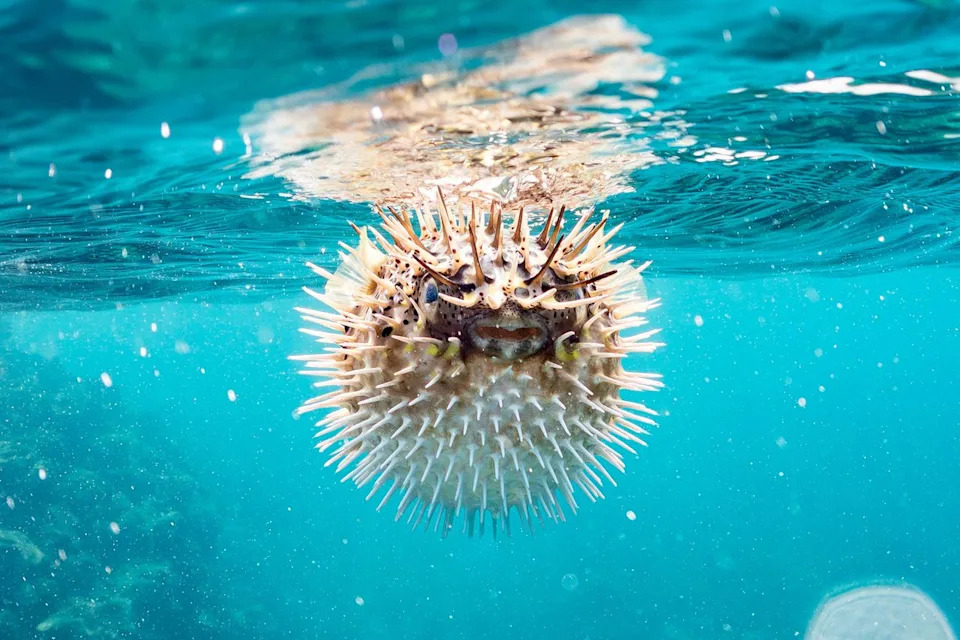
Blowfish near Hirizo beach in JapanCredit: Getty
Emergency Rescue and Care
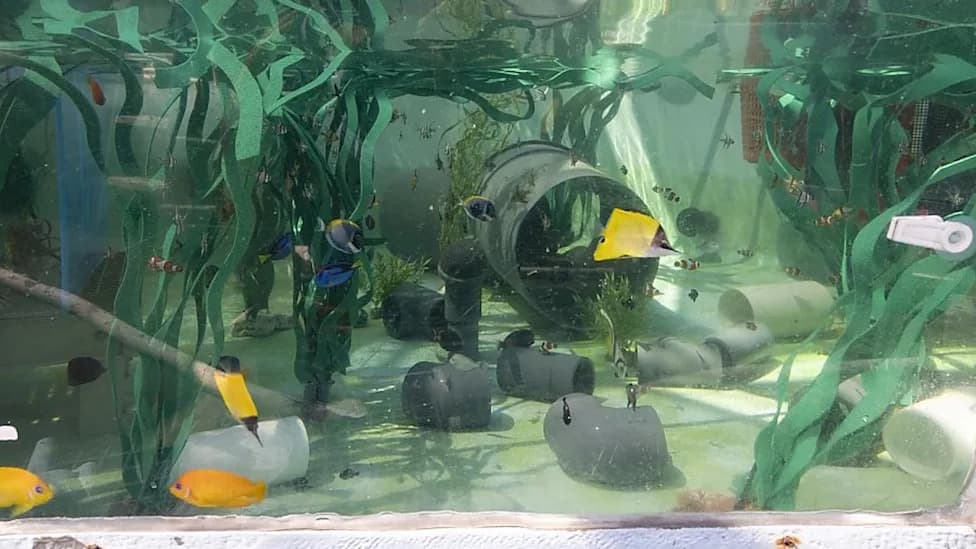
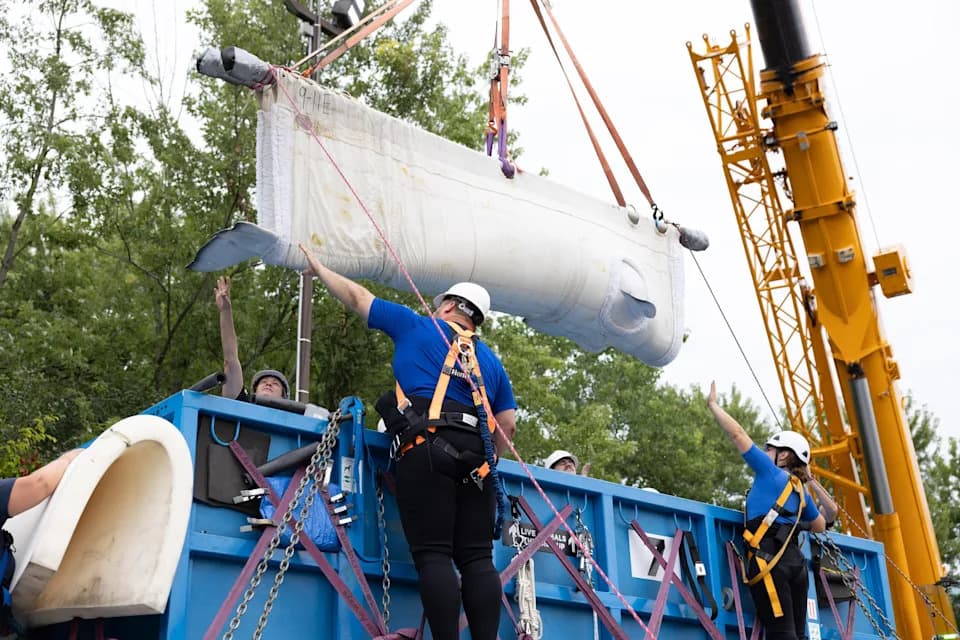
Fundación Temaikèn — the only facility in Argentina equipped to receive confiscated marine wildlife of this kind — launched an emergency response at its site north of Buenos Aires. Veterinarians and aquatic specialists worked more than 28 continuous hours to stabilize survivors, installing ten additional tanks outfitted with heating, filtration, and water-conditioning systems suitable for tropical species.
Because each animal had been sealed in its own bag, staff performed careful individual drip-acclimation procedures to transition creatures into new water conditions and reduce further physiological shock.
Cristian Gillet, wildlife director at Fundación Temaikèn, said the animals 'arrived at the limit of survival after spending days inside transport bags and boxes.'
Christian Plowman of the International Fund for Animal Welfare described the seizure as evidence of an organized criminal operation: 'This is an industrialized crime. Moving 709 animals comprising 102 species across international cargo routes, packed in bags for 120 hours of transit, is not something done casually.' He noted this was the third seizure at the same entry point in a year, suggesting a deliberate trafficking corridor.
Aftermath and Wider Concerns
Surviving animals remain under specialized care while authorities and conservation groups determine long-term plans. No arrests have been announced. Conservationists warn that the scale and repetition of such shipments point to a growing, systematized illegal wildlife trade that exploits established trafficking corridors and requires coordinated enforcement and intelligence efforts.
Help us improve.