Shibuya Ward has started issuing immediate 2,000‑yen fines to people caught littering, with payment accepted by cash, card or QR code. Up to 50 officials will patrol neighbourhoods, and some districts will penalise businesses that fail to provide public bins. The move responds to a record 42.7 million foreign visitors in 2025 and aims to ease tensions between tourists and local communities.
Shibuya Imposes Immediate 2,000‑Yen Fines for Littering Amid Tourism Boom
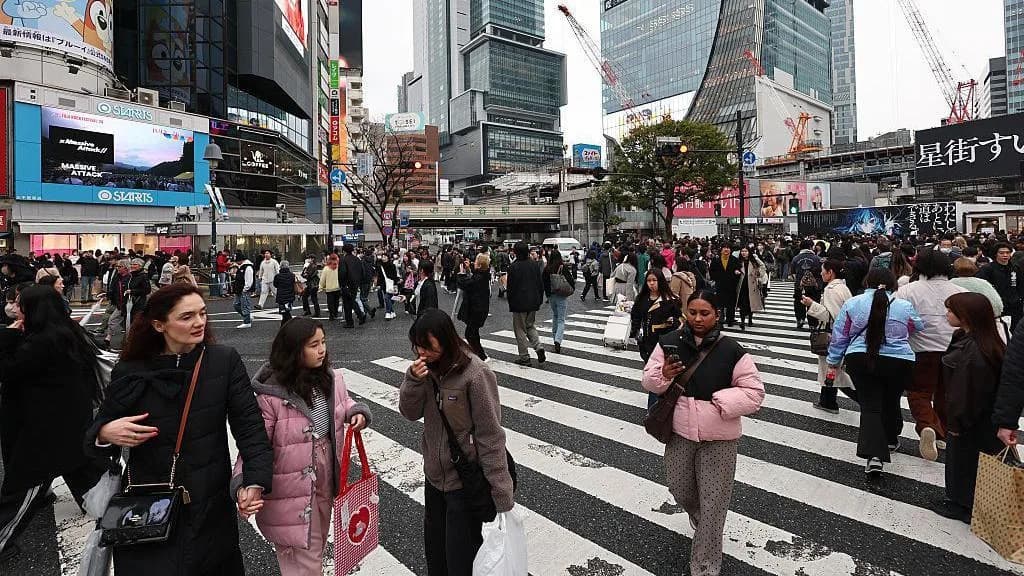
The Shibuya Crossing is one of Japan's most famous tourist attractions [NurPhoto via Getty Images]
Shibuya Ward has begun issuing on-the-spot fines of 2,000 Japanese yen ($13; £9) to people caught littering as part of a new crackdown responding to a surge in visitors across Japan.
The fine-collection system took effect on Monday in Shibuya, the commercial and entertainment district famous for the Shibuya Crossing. Officers can accept payment by cash, credit card or QR code, and officials say the drive will be enforced in neighbourhoods by as many as 50 patrolling staff.
Authorities are also targeting businesses: some districts will fine food and beverage operators who fail to install public waste bins for customers.
Why The Measures Were Introduced
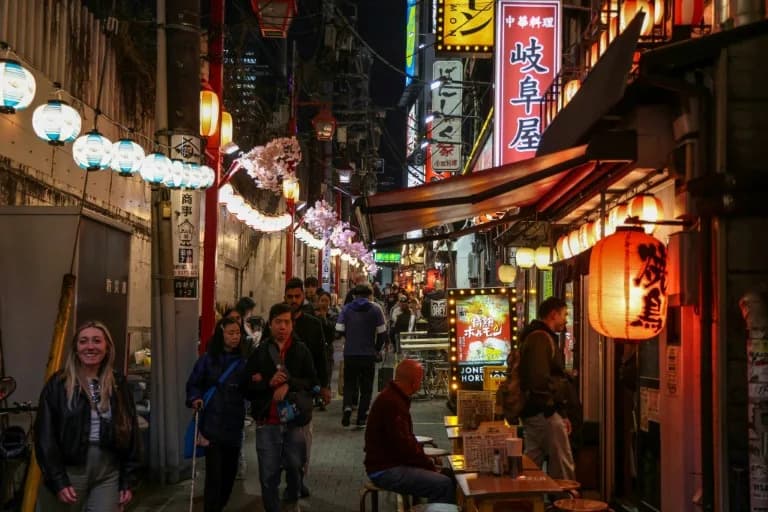
Japan welcomed a record 42.7 million foreign visitors in 2025, placing strain on urban services and local communities. Public broadcaster NHK reported rising incidents of people — including overseas tourists — openly drinking and leaving litter around Shibuya, prompting the anti-littering campaign.
"We cannot tolerate littering simply because there are no rubbish bins," Shibuya Ward officials said in a press release. "We ask for your cooperation in creating a city where everyone can enjoy themselves comfortably."
Bins, Safety Concerns and Tourist Frustration
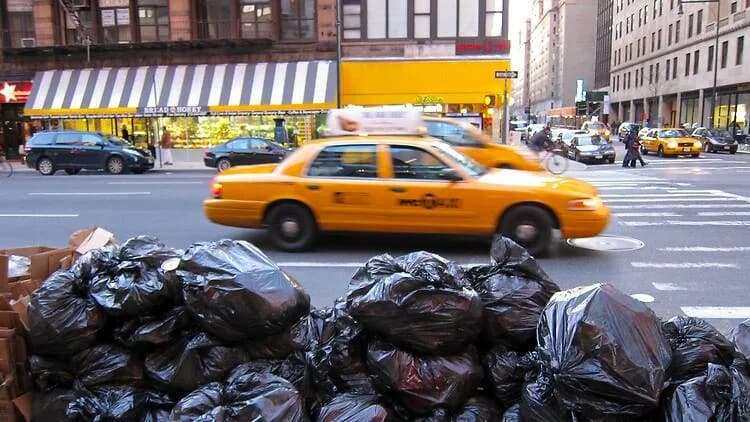
Public rubbish bins remain scarce across Japan, partly for safety reasons following past terror incidents. A government survey last year found that the lack of public bins was the biggest inconvenience for tourists, cited by more than 20% of roughly 4,000 foreign respondents.
The campaign uses the slogan, "If you throw trash, you lose cash," and aims both to reduce litter and to ease friction between residents and visitors as tourism rebounds.
Wider Context and Local Impact
Tourism has rebounded strongly since the Covid pandemic, driven by a weak yen and heightened social media interest. But the influx of visitors has tested urban infrastructure: in Fujiyoshida, near Mount Fuji, chronic traffic congestion and litter, and disruptions to residents’ lives led authorities to cancel the town's famous cherry blossom festival this year.
At the national level, the government has introduced measures to manage overtourism, including higher taxes for international visitors and crowd-control apps that provide real-time updates on how busy popular spots are.
What to Expect: Visitors to Shibuya should be aware of the new fines, observe local rules about public drinking and waste disposal, and businesses should consider installing bins to avoid penalties.
Help us improve.