Shinjuku plans to ban over half of its short-term rentals — about 2,000 units — in residential areas and near schools after complaints rose roughly 40%. The policy, which will apply to existing listings including some Airbnb homes, aims to curb problems such as improper trash disposal, smoking and noise. The move reflects growing local and international efforts to manage overtourism and housing pressures.
Shinjuku to Ban Over Half of Short-Term Rentals — About 2,000 Units to Close Amid Resident Complaints
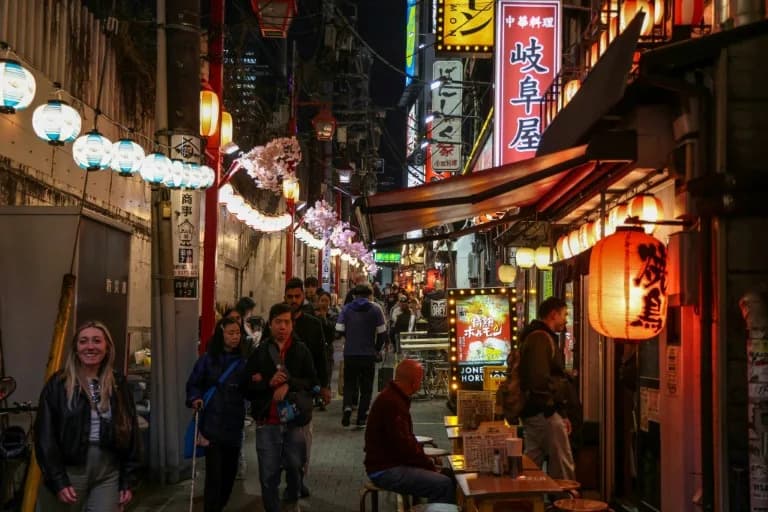
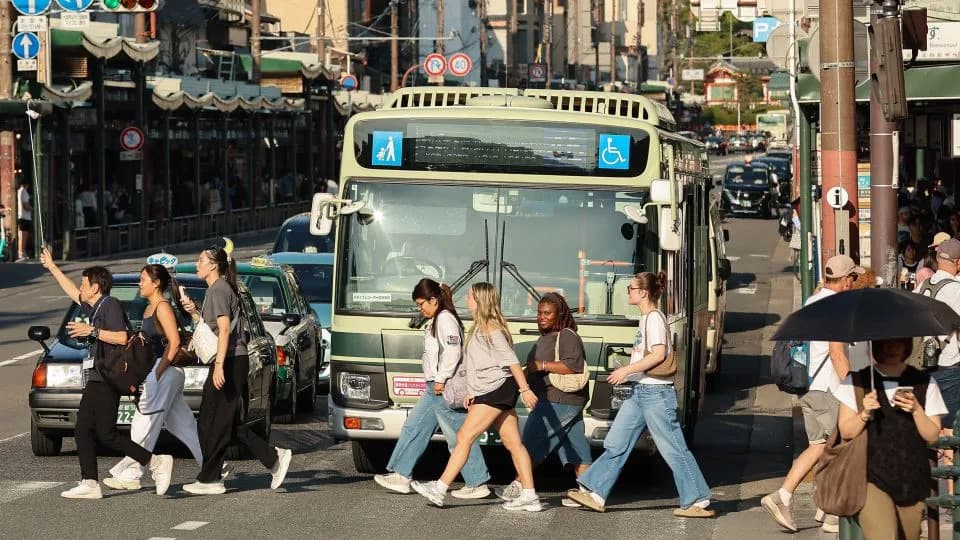
Tokyo tourist hotspot Shinjuku as a large residential population, who have become increasingly exasperated with tourists who fail to properly dispose of rubbish, smoke where they're not supposed to, and make too much noise (Ludovic MARIN)
Tokyo's busy Shinjuku ward will ban more than half of its short-term holiday rentals, including some Airbnb listings, after a rise in complaints from local residents, a ward official said Monday.
Shinjuku — known for its bustling commercial and entertainment districts — currently lists about 4,000 short-term rental units on the ward's website, roughly 10% of Japan's total. Residents say the growing number of visitors has led to problems with trash disposal, illegal smoking and excessive noise.
Proposed Rule Change
An official responsible for overseeing holiday rentals told AFP the district is "planning to revise the current ordinance... to ban private lodging" in residential neighborhoods and in areas near schools. The measure would apply to existing listings and is expected to force the closure of roughly 2,000 properties, including an unspecified number of Airbnb units. The ward's mayor was expected to announce the plan formally on Tuesday.
Why Residents Are Frustrated
The number of complaints tied to vacation rentals in Shinjuku rose by about 40% in the fiscal year to March, the official said. "Many complaints are about the violation of trash-disposal rules while others include smoking and trespassing," the official added.
"The rules make sense, because of noise," said American tourist Luke Jemison, 24. Local resident Masaru Sato, in his 70s, said many foreigners and some operators "don't follow local rules," and that careless garbage disposal has left the area dirty.
National And Global Context
The move comes as Japan seeks to expand inbound tourism — aiming for 60 million foreign visitors by 2030, up from a projected 42 million in 2025 — but overtourism has become an increasing concern. In July, the Japan Tourism Agency gave municipalities the authority to regulate short-term lodgings if they threaten "a tranquil living and educational environment" or "hinder the maintenance of a permanent population and local community."
Other popular Japanese destinations such as Kyoto have also voiced concerns about crowds, traffic and rising land prices. Cities worldwide have enacted similar restrictions: Barcelona plans to restrict tourist apartment rentals to ease housing pressure, and New York in 2023 limited short stays to properties where the host lives on site.
What Comes Next
The proposed Shinjuku rules target rentals in residential zones and near schools, and will affect existing listings rather than only new ones. AFP contacted Airbnb for comment, and several hosts in Shinjuku declined interview requests.
Key takeaway: The ban is aimed at protecting residents' quality of life, but it may reduce available short-term accommodations in one of Tokyo's busiest wards, complicating local tourism dynamics as Japan pushes to attract more visitors.
Help us improve.