San Francisco’s political tone has shifted toward pragmatism, but the primary to replace Nancy Pelosi highlights continuity over change. State Sen. Scott Wiener, Supervisor Connie Chan and donor-organizer Saikat Chakrabarti offer different styles but broadly similar progressive agendas on housing, immigration and social spending. Voters must decide between tactics and tone — legislative experience, local management or national disruption — while substantive policy differences appear limited.
San Francisco Wants Change — But Pelosi’s Likely Successors Offer More Style Than Substance
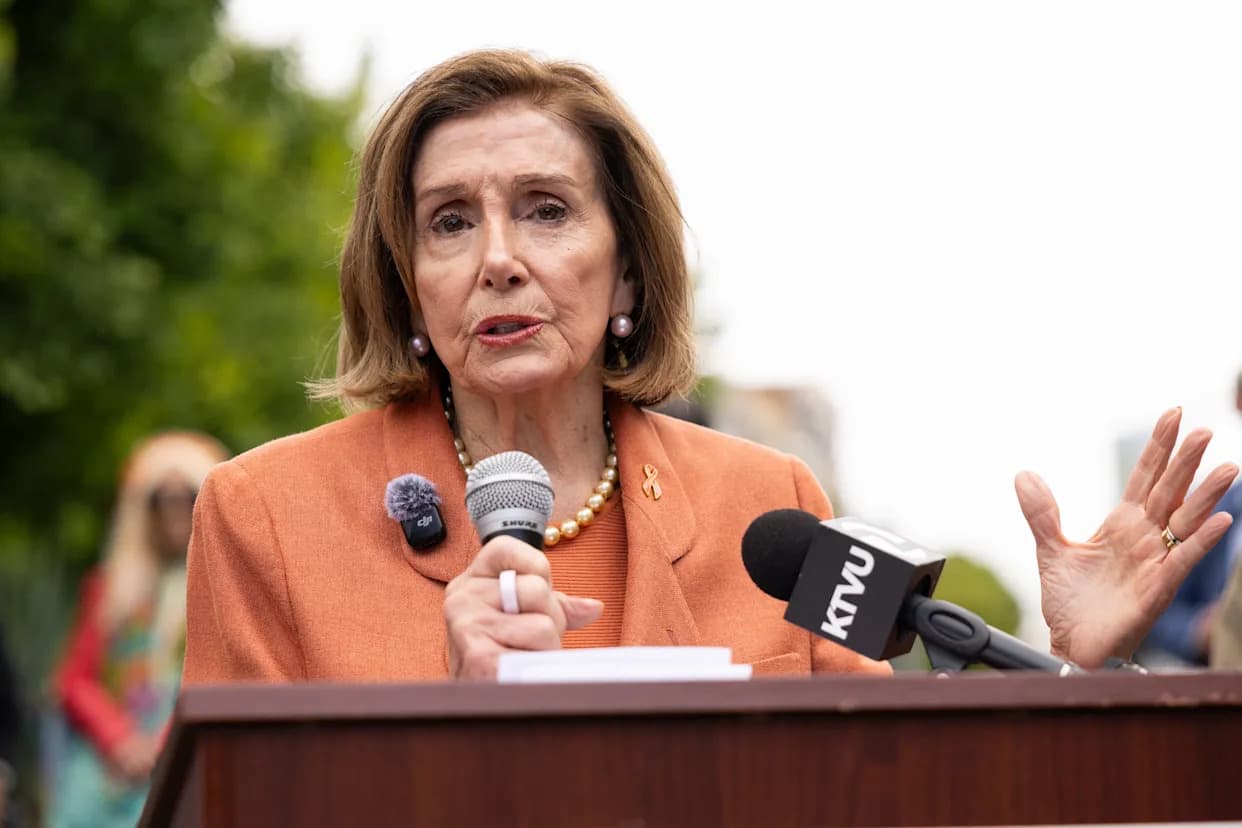
SAN FRANCISCO, CALIFORNIA – MAY 29: U.S. Rep. Nancy Pelosi (D-CA) speaks at a “Get Out the Vote” rally on May 29, 2026 in San Francisco, California. U.S. Rep. Nancy...
San Francisco has shown signs of a more pragmatic political mood in recent years: Mayor Daniel Lurie has emphasized practical governance, and voters have used recalls to remove several controversial local officials. Yet the race to succeed retiring Rep. Nancy Pelosi suggests the city’s political instincts remain largely familiar.
Three candidates have emerged as front-runners — State Sen. Scott Wiener, Supervisor Connie Chan, and political organizer and donor Saikat Chakrabarti — and each presents a different style of leadership. But on the major issues facing San Franciscans today — housing affordability, visible street drug use and homelessness, tax policy, and cultural debates — the differences in policy outcomes may be more limited than the campaign posturing suggests.
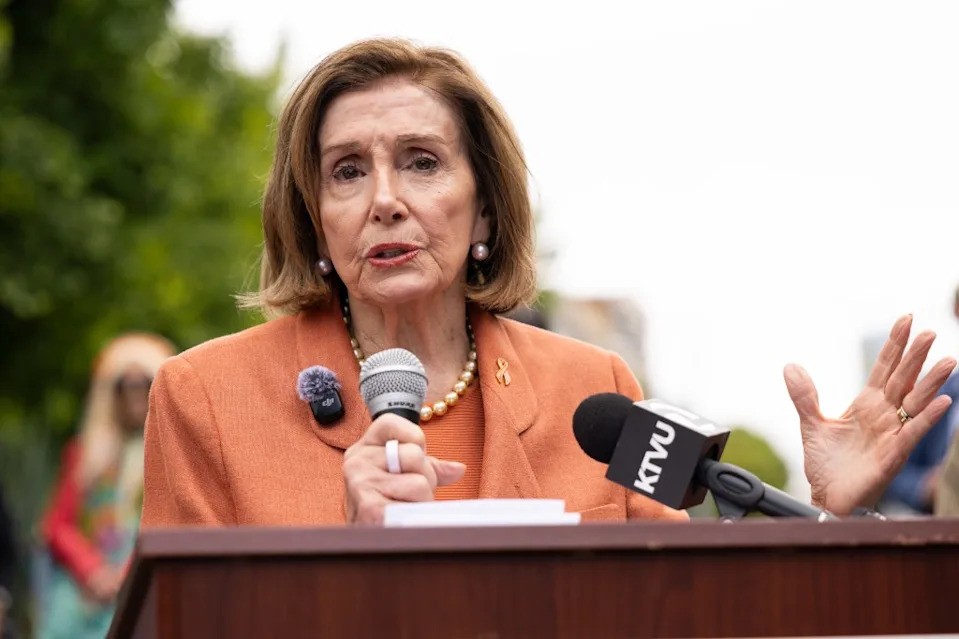
Nancy Pelosi speaks at a “Get Out the Vote” rally on May 29, 2026 in San Francisco. Getty Images
Scott Wiener: Legislative Insider With High-Profile Causes
State Sen. Scott Wiener leads in name recognition and fundraising. He is well known for LGBTQ+ advocacy and a string of state housing bills that have generated significant attention and press. Supporters point to his experience navigating state policymaking; critics say passage of legislation has not yet translated into large-scale housing production, which remains constrained by local fees, litigation and regulatory requirements.
Wiener has also been active on cultural and social issues, including bills related to transgender youth and other protective policies. Some of his public statements on international issues have drawn controversy and intensified debate among constituents.
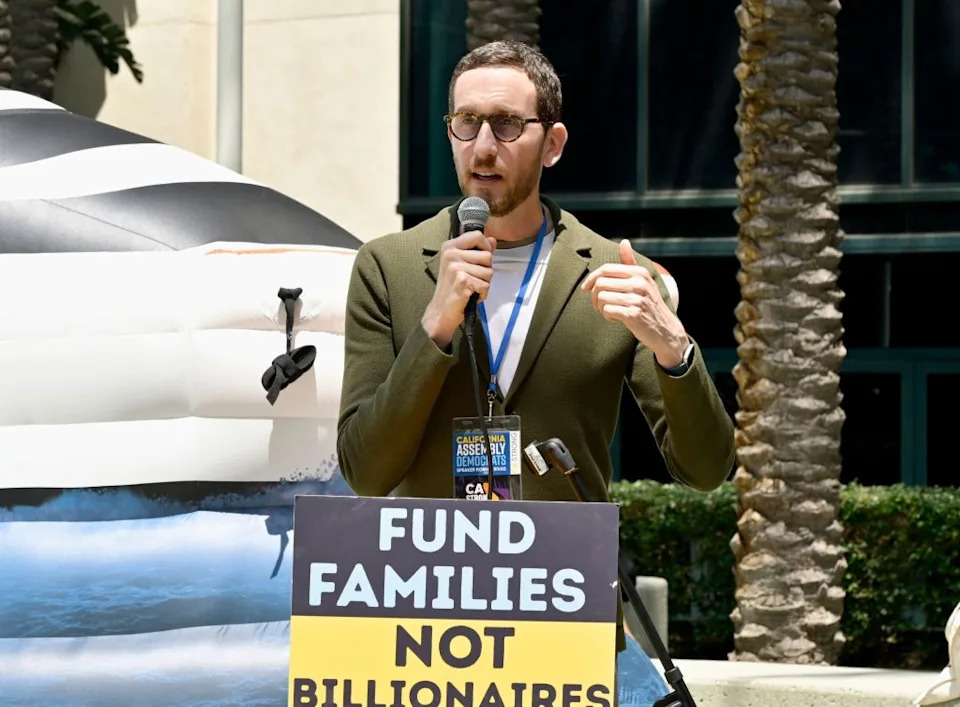
Scott Wiener holds a commanding lead in recent opinion polls. Getty Images for Economic Security Project, Inc.
Connie Chan: Neighborhood-Focused Progressive
Connie Chan, a member of the Board of Supervisors and an early endorser of Pelosi, emphasizes local governance: budgets, union agreements, immigrant services and subsidized housing programs. Her record appeals to voters who value municipal experience and steady management, though she is less prominent on national foreign policy debates. Chan has taken positions critical of Israel’s conduct in the Gaza conflict and has supported policy proposals tied to progressive activist priorities.
Saikat Chakrabarti: Self-Funded Disruptor
Saikat Chakrabarti, a former tech executive and political organizer who helped found the Justice Democrats, has poured roughly $10 million of personal funds into the race. He offers a sweeping progressive agenda — aggressive climate and economic policies, wealth taxes and structural reform of the Democratic Party — and brings national progressive endorsements. Observers note the tension between his personal wealth and his radical policy proposals.
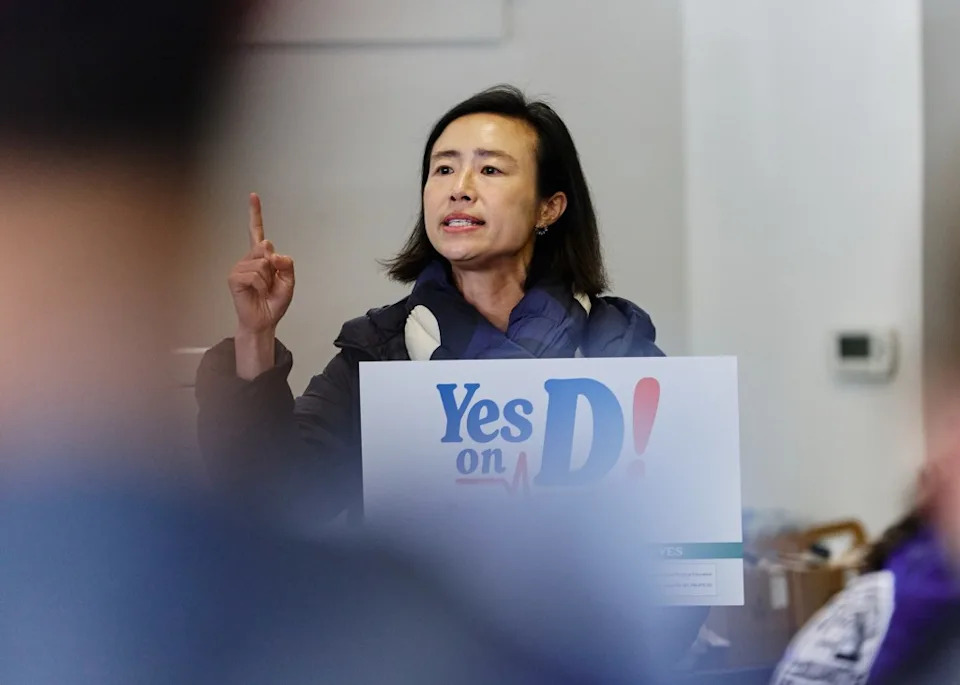
Connie Chan speaks to volunteers during a canvassing event in support of the Overpaid CEO Act in San Francisco. Bloomberg via Getty Images
Also in the Mix
Marie Hurabiell, a late entry who describes herself as a "common-sense Democrat" after earlier Republican affiliation, emphasizes crime accountability, merit-based education reforms and pragmatism on housing. She has cultivated support among some Asian-American families and small business owners but polls at lower levels compared with the three front-runners.
Substance Versus Style
Despite distinct rhetorical approaches — insider legislator (Wiener), local manager (Chan), and national agitator (Chakrabarti) — all three front-runners broadly support progressive priorities: expanded social spending, sanctuary and immigrant-protective policies, more investment in homelessness services, and pro-housing measures that differ mostly in method rather than end goal. Debates center on permitting streamlining versus subsidies, and incremental policy change versus sweeping reform.
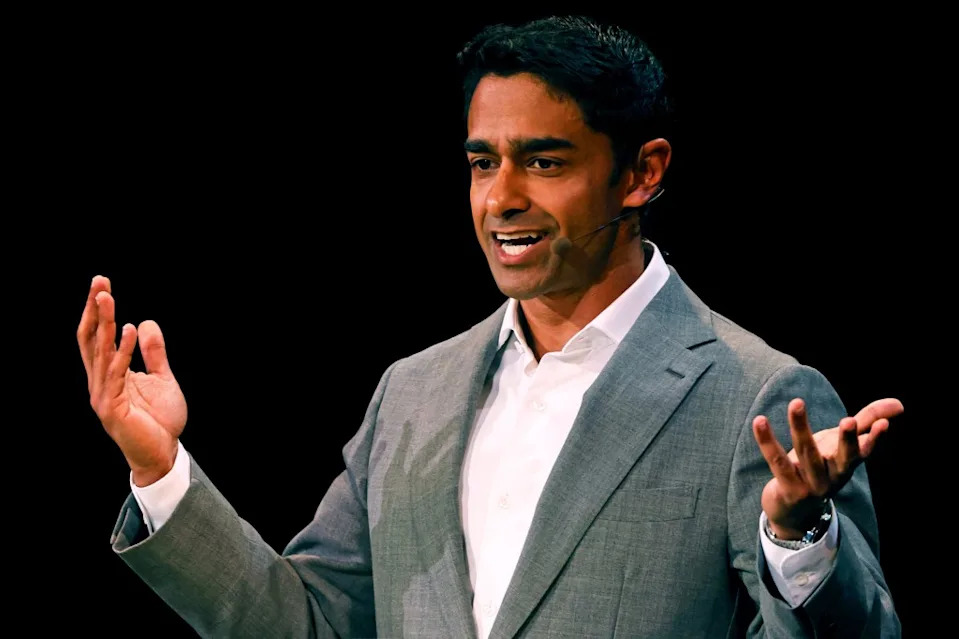
Saikat Chakrabarti debates Scott Wiener and Connie Chan for San Francisco’s Congressional District 11 seat at the Sydney Goldstein Theater in San Francisco. San Francisco Chronicle via Getty Images
For voters seeking a sharp break from San Francisco’s recent trajectory on public safety, homelessness, and housing production, this primary may feel underwhelming. The likely general-election winner is expected to be a safe Democratic vote in Congress who will represent the city’s progressive consensus more than blaze a dramatically different course.
Richie Greenberg is a political commentator based in San Francisco.
Help us improve.