The natterjack toad, one of the UK’s rarest amphibians, may be failing to recover because increased salinity has made former breeding ponds unsuitable. Researchers led by Dr Frances Orton tested water from Mersehead Reserve and abandoned coastal ponds in south‑west Scotland and found high salt levels caused failed hatching and stunted growth. The team warns that conservation must tackle water salinity as well as terrestrial habitat management to improve the species' chances.
Lethally Salty Ponds Threaten Recovery Of Britain’s Rare Natterjack Toad
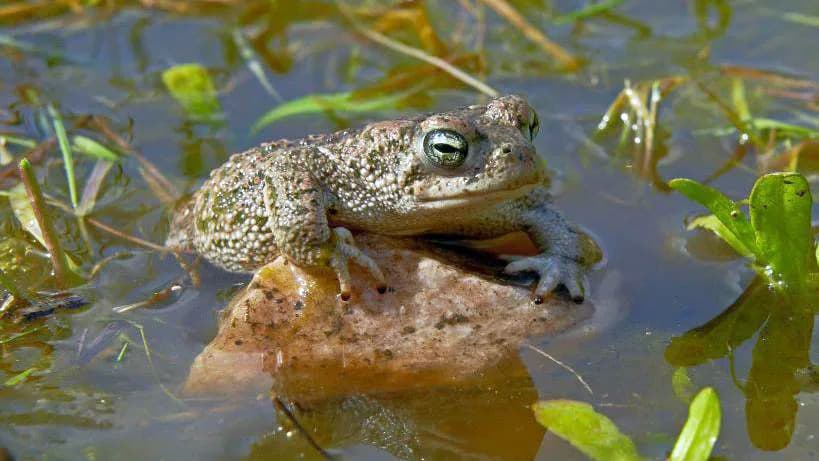
The study found toad survival and size was affected by the salt levels in the water [Getty Images]
Rising salinity in former breeding ponds may be blocking the recovery of one of Britain’s rarest amphibians, a new study finds. Scientists link high salt levels in water from abandoned coastal ponds in south‑west Scotland to failed hatching, stunted growth and altered development of natterjack toad spawn.
What The Study Did
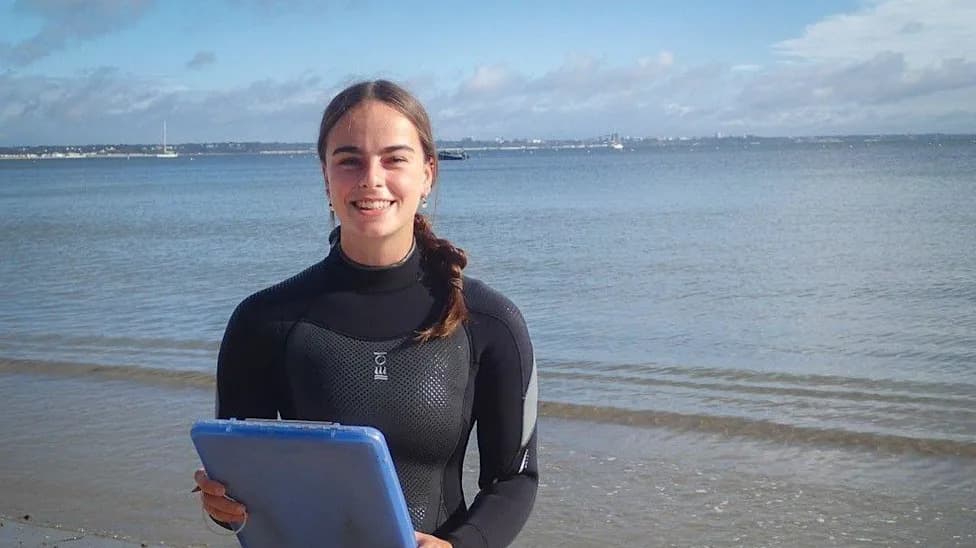
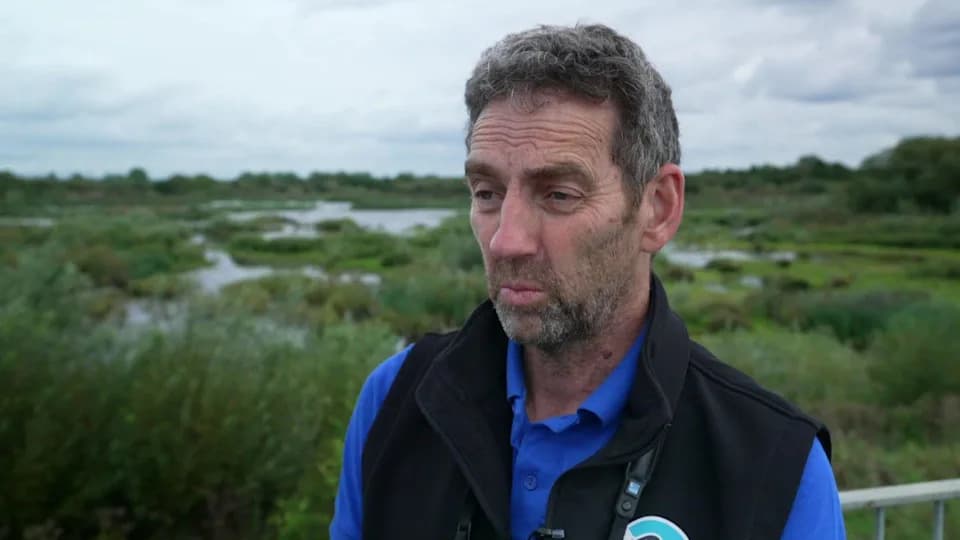
The research, led by Dr Frances Orton of Heriot‑Watt University, compared water from Mersehead Reserve — where natterjack toads still survive — with samples from several former breeding sites on the Solway Coast, including ponds at Caerlaverock, Southerness and nearby farms. Across seven sites in Dumfries and Galloway the team measured temperature, pH and salinity and exposed natterjack spawn to water from each site to observe effects on embryos and tadpoles.
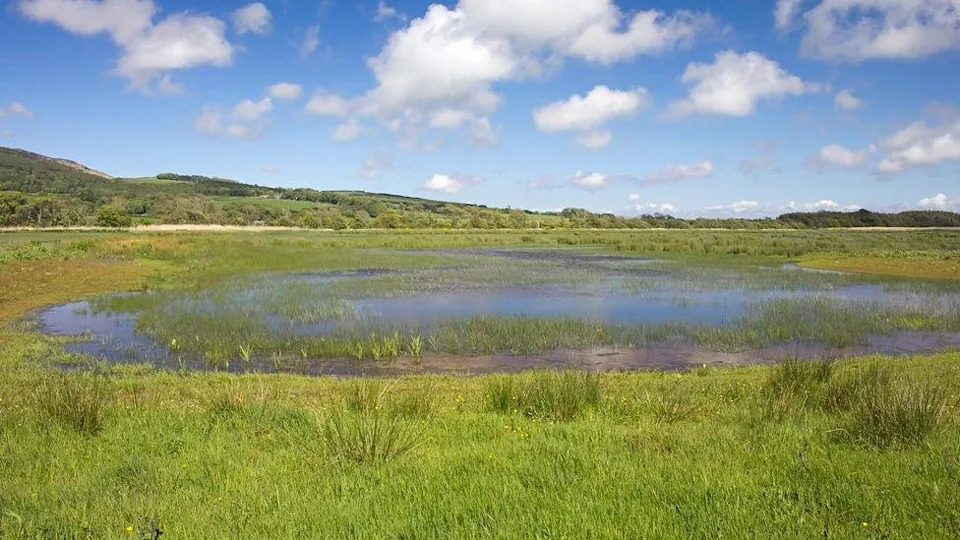
The study took samples at various sites to check their salt levels [Getty Images]
Key Findings
Some abandoned ponds were so saline that no embryos survived to hatching. Other sites with moderate salinity were not immediately lethal but produced much smaller tadpoles and altered developmental patterns. Smaller size matters: Dr Orton noted that about 95% of tadpoles are lost to predators, and the survivors need to be as large and fit as possible to reach the next life stage.
"Some of the former breeding sites had such a high level of salinity that no embryos survived to hatching," Dr Orton said. "Even where embryos did hatch, smaller size and altered development reduce their chances of survival."
Conservation Implications
The findings suggest that restoration efforts focusing only on terrestrial habitat — such as scrub clearance and vegetation management — may be insufficient if pond salinity is not also addressed. Without tackling saline water, restored sites could remain inhospitable and newly reintroduced or recovering populations would struggle to persist.
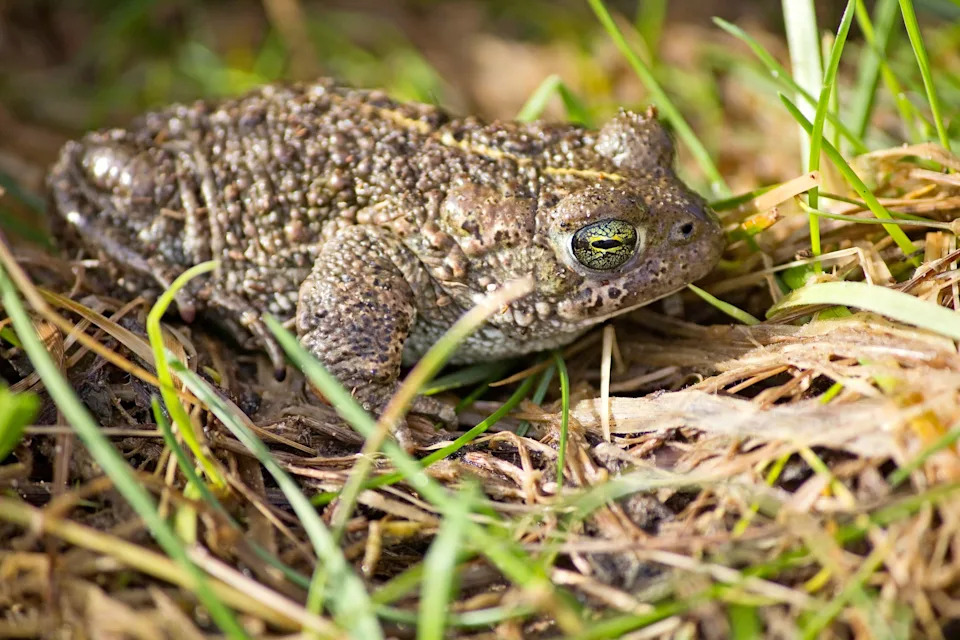
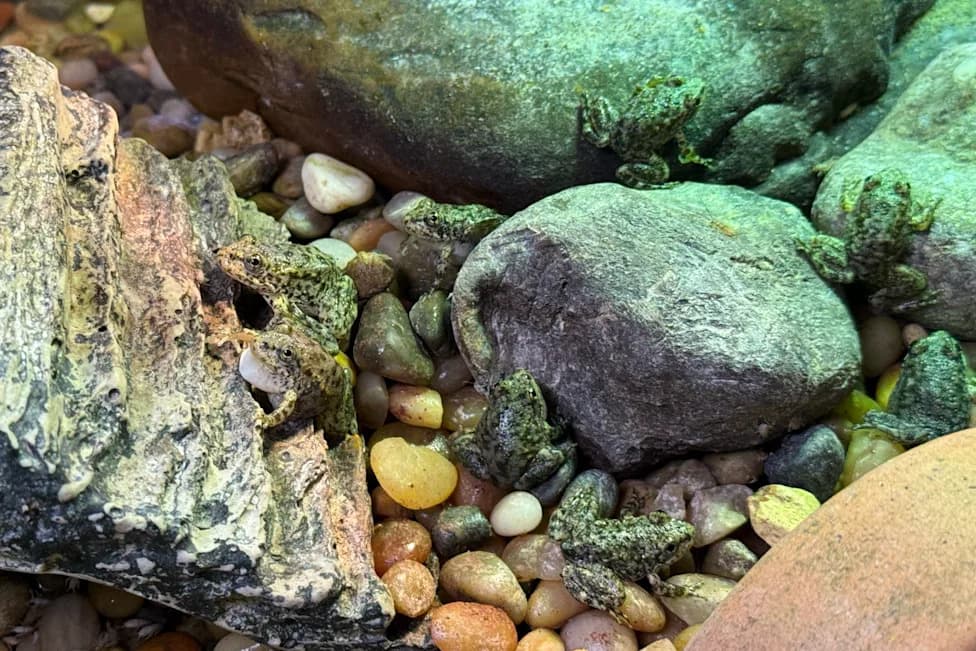
Scotland's only remaining natterjack toad colonies are along the Solway Coast [Getty Images]
Dr Orton and colleagues stress the need for urgent action: amphibians are the fastest‑declining vertebrate group globally, and species like the natterjack toad play vital ecological roles as both predators and prey and in controlling garden pests such as slugs and midges.
Support and Further Work
The research was conducted across seven sites in Dumfries and Galloway and was supported by the Carnegie Trust and NatureScot. The study is published in the journal Ichthyology & Herpetology. Further work could examine practical ways to reduce pond salinity or manage hydrology to improve habitat suitability for natterjack recovery.
Help us improve.